How Measuring Radiology Impact Transforms Patient Care
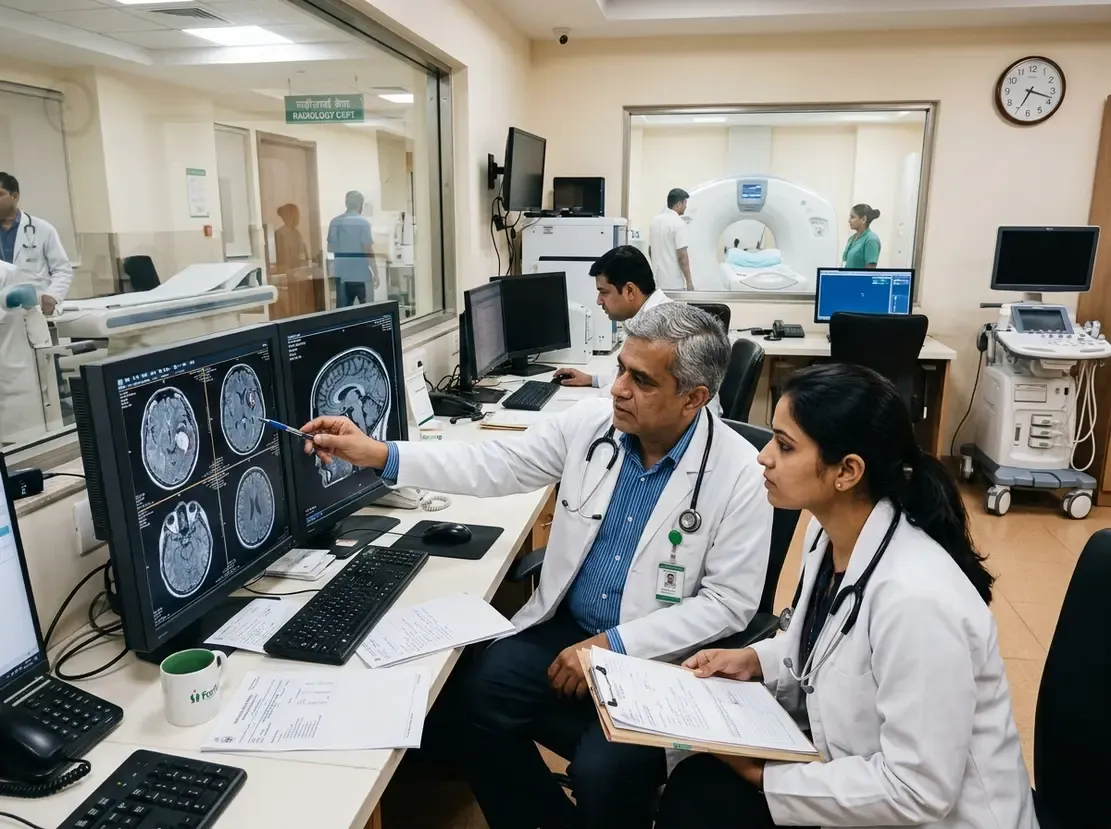
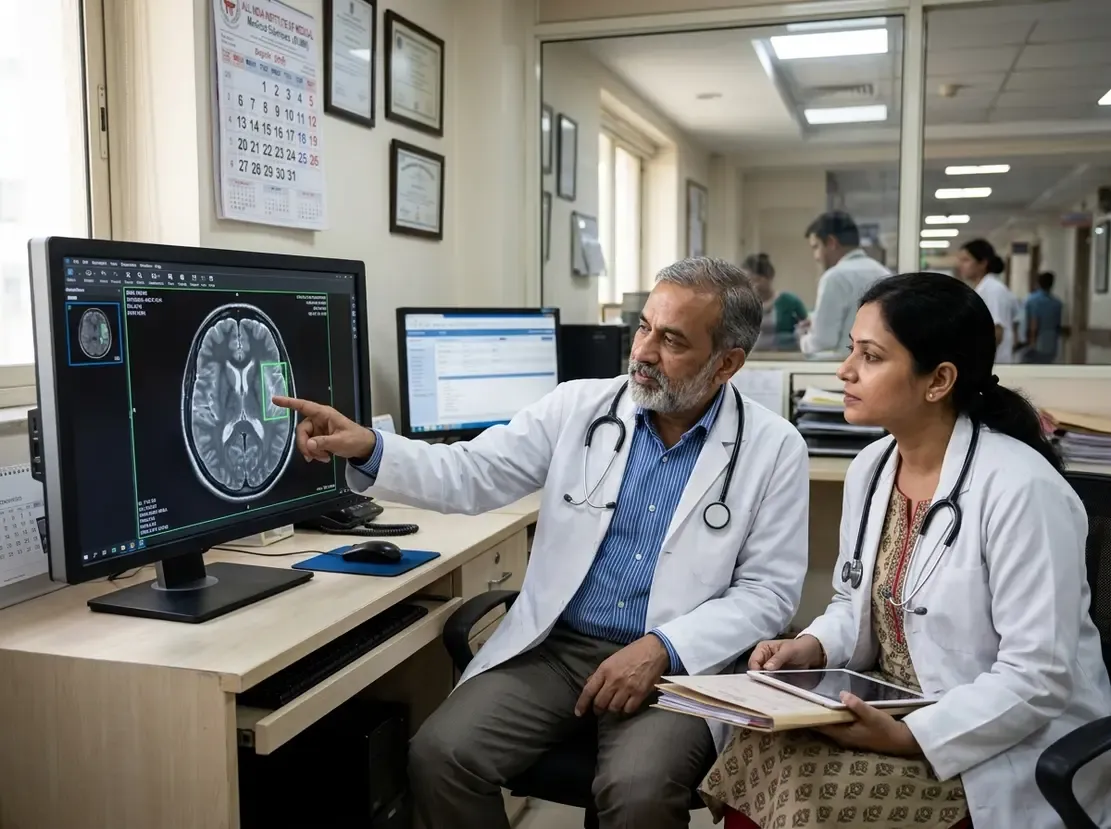
Modern healthcare systems rely heavily on diagnostic imaging to guide clinical decisions. However, healthcare leaders often underappreciate the specialty's true value because traditional metrics fail to capture downstream patient benefits. Consequently, measuring radiology impact has emerged as an essential priority for hospital administrators and clinicians worldwide. By demonstrating how imaging alters patient outcomes, radiologists can firmly establish their role as drivers of high-value care.
Core Concepts in Measuring Radiology Impact
To address this persistent challenge, the American College of Radiology convened its Relevance and Impact Committee. Specifically, the committee introduced two foundational concepts: diagnostic imaging provenance and clinical relevance. Diagnostic imaging provenance describes the precise diagnostic lineage that leads to an established medical diagnosis. In addition, relevance defines how an imaging interpretation addresses the initial clinical question and guides subsequent therapeutic choices. Therefore, these concepts shift the focus from simple scan volume to clinical significance.
The Medical Imaging Life Cycle Framework
Building on these foundations, the committee created the medical imaging life cycle framework. Furthermore, this model treats each radiological study as an active feedback loop between patients and clinicians. Every imaging encounter serves as a critical inflection point where positive or negative findings redirect patient care. For instance, an accurate negative scan prevents unnecessary invasive procedures and reduces hospital stays. Similarly, prompt identification of actionable pathology expedites life-saving interventions. Thus, the framework illustrates how radiological expertise directly impacts patient morbidity, mortality, and overall recovery.
Leveraging EHR Data and Artificial Intelligence
Historically, tracking imaging outcomes across fragmented hospital workflows remained extremely difficult. Today, rapid advances in data science make comprehensive outcome tracking entirely practical. In particular, automated electronic health record analyses extract meaningful downstream clinical events after imaging examinations. In addition, modern generative artificial intelligence models synthesize unstructured clinical notes to trace diagnostic lineages efficiently. As a result, healthcare networks can now map imaging results to tangible endpoints like 30-day readmissions and survival. Hence, technology operationalizes the long-standing goal of linking imaging to definitive outcomes.
Relevance for Modern Diagnostic Practices
Adopting this outcome-focused methodology offers substantial value for healthcare institutions and diagnostic departments. Moreover, it empowers radiologists to demonstrate measurable clinical contributions rather than functioning merely as high-volume image interpreters. Clinicians gain clearer insights into diagnostic accuracy and test utility across distinct clinical pathways. Consequently, departments can eliminate redundant examinations and allocate diagnostic resources more effectively. Ultimately, this approach aligns diagnostic radiology with modern quality accreditation standards and patient-centric healthcare goals.
Frequently Asked Questions
Q1: What is diagnostic imaging provenance?
Diagnostic imaging provenance refers to the traceable clinical lineage that demonstrates how specific imaging findings established or guided a patient's final diagnosis.
Q2: How does the medical imaging life cycle framework improve patient care?
The framework treats imaging studies as clinical inflection points. Therefore, both positive and negative findings guide subsequent treatment decisions and optimize patient trajectories.
Q3: What role does artificial intelligence play in measuring imaging outcomes?
Artificial intelligence and data science tools extract EHR data to connect imaging reports directly with downstream clinical endpoints, including complication rates and overall survival.
References
- McKinney AM et al. Measuring Radiology's Impact: Core Concepts for Tracking Patient-Oriented Outcomes and Delivering High-Value Care-A Perspective by the ACR's Relevance and Impact Committee. AJR Am J Roentgenol. 2026 Sep 16. doi: 10.2214/AJR.26.34767. PMID: 42201720.
- Rao VM, Levin DC. Radiology in the era of value-based healthcare: a multi-society expert statement from the ACR, CAR, ESR, IS3R, RANZCR, and RSNA. Insights Imaging. 2021;12(1):43.
- Patel MD, et al. Measuring What Matters in Radiology: A Guide to Selecting, Implementing, and Interpreting Patient-Reported Outcome Measures. Can Assoc Radiol J. 2025;76(3):450-462.