
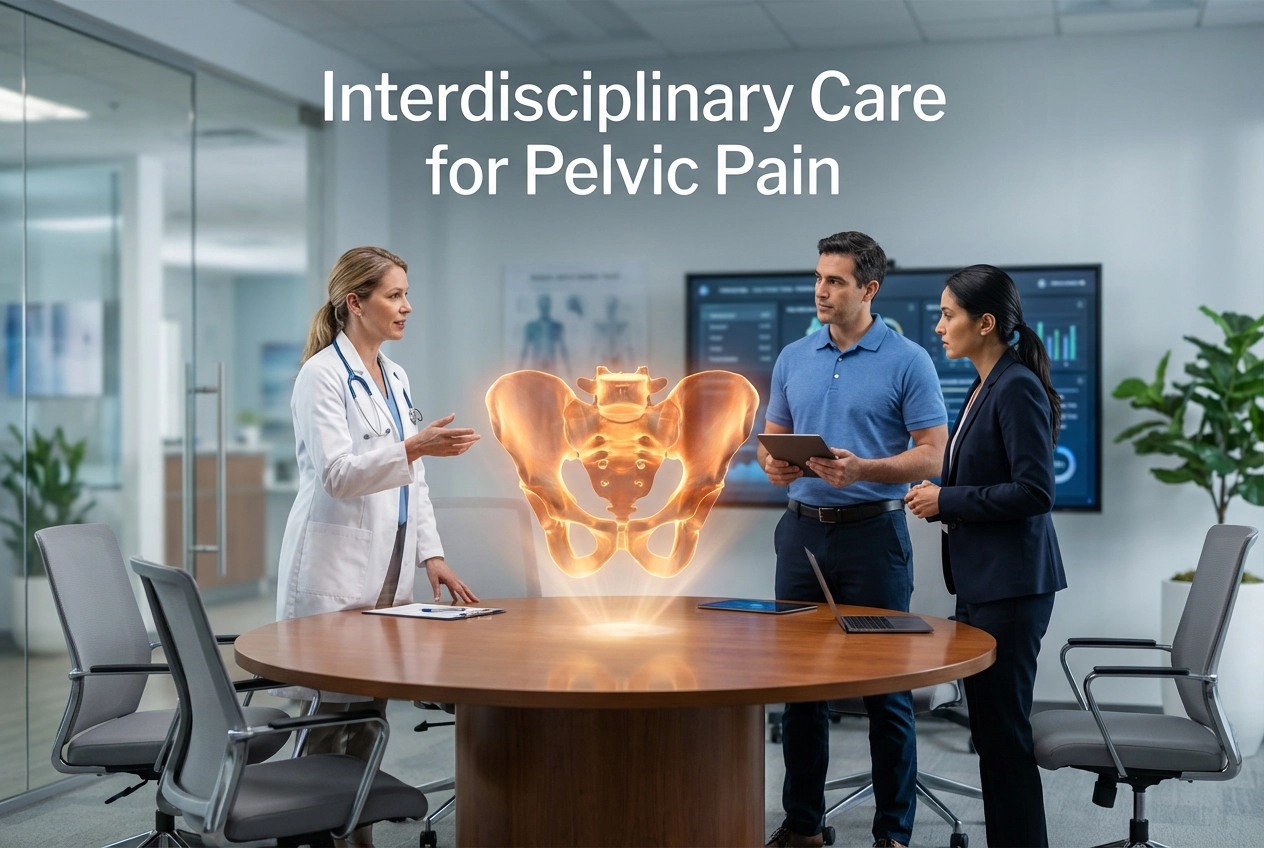
Chronic Pelvic Pain (CPP) is a complex, debilitating syndrome, and it affects 15-26% of women globally. This condition involves pain perceived from pelvic structures that lasts longer than six months. Furthermore, Chronic Pelvic Pain is not a single disease; it is a symptom with many potential causes. Most patients have multiple contributing conditions. Thus, healthcare providers must use a comprehensive, organ system-based approach for effective evaluation and management. This article provides a focused overview of this essential clinical approach.
Organ System-Based Evaluation for Chronic Pelvic Pain
Effective diagnosis begins with recognizing the multifactorial nature of Chronic Pelvic Pain. We must consider a combination of systems, including gynecologic, gastrointestinal, musculoskeletal, urologic, neurologic, and vascular sources. Initially, a thorough patient history and physical examination, including a focused pelvic floor assessment, are mandatory steps. However, since many different disorders can contribute, diagnostic tests are tailored to the suspected organ systems. For instance, a pelvic ultrasound can identify growths or cysts, and laparoscopy is valuable for diagnosing and treating conditions like endometriosis. Nevertheless, a clear physical cause is not always found, suggesting that central pain mechanisms play a major role.
Interdisciplinary Management of Chronic Pelvic Pain
Optimal management of CPP integrates behavioral, pharmacologic, and surgical strategies tailored to the suspected pain mechanisms in each patient. This interdisciplinary, biopsychosocial approach is considered the gold standard of care.
Behavioral and Physical Strategies. Educating patients about pain physiology is essential, especially the interaction between peripheral pathology and central pain amplification. Consequently, behavioral interventions like Cognitive Behavioral Therapy (CBT) help patients develop self-management skills. Additionally, pelvic floor physical therapy, including myofascial release, proves highly beneficial for patients with musculoskeletal dysfunction, which occurs in a significant number of cases.
Pharmacologic and Surgical Treatments. Pharmacological treatment typically includes non-steroidal anti-inflammatory drugs (NSAIDs), hormonal therapies for gynecological causes, and sometimes nerve-modulating agents like gabapentin. Since surgical intervention can carry a risk of symptom exacerbation, conservative therapies are generally utilized first. However, surgery, such as laparoscopy or a hysterectomy in rare, select cases, may be necessary to address specific underlying pathology.
Enhancing Outcomes Through Patient Engagement
Successful management relies on establishing a strong therapeutic relationship. Therefore, clinicians should validate patients’ experiences and empower them to take an active role in their care. Collaborative goal setting, shared decision-making, and establishing clear expectations support sustained engagement. Although CPP is not always curable, patients often experience significant and meaningful improvement in pain, function, and overall quality of life through long-term support.
Frequently Asked Questions
Q1: What is the defining characteristic of Chronic Pelvic Pain (CPP)?
CPP is typically defined as noncyclic pain perceived to originate from pelvic organs or structures, lasting for a duration of six months or longer, and severe enough to cause functional disability or necessitate medical care.
Q2: Why is an interdisciplinary approach recommended for managing CPP?
An interdisciplinary approach is the gold standard because CPP is multifactorial, involving complex interactions between gynecologic, urologic, gastrointestinal, musculoskeletal, and psychosocial factors. This approach integrates medical, behavioral, and physical therapies for comprehensive care.
Q3: Can Chronic Pelvic Pain be cured?
CPP is not always curable, but patients can achieve significant and meaningful improvement in pain severity, daily function, and overall quality of life through a tailored, long-term interdisciplinary support plan. The focus shifts to functional improvement rather than a complete cure.
References
- As-Sanie S et al. Evaluation and Treatment of Chronic Pelvic Pain. Obstet Gynecol. 2026 Jan 01. doi: 10.1097/AOG.0000000000006123. PMID: 41264919.
- Ahangari, A. Prevalence of chronic pelvic pain among women: an updated review. Pain Pract. 2014;14(2):105-18.
- Allaire C et al. Chronic pelvic pain in an interdisciplinary setting: 1-year prospective cohort. Am J Obstet Gynecol. 2018;218(1):114.e1-114.e12.
- Hitti, J. Chronic Pelvic Pain in Women. AAFP. 2016;93(5):372-8.
- Warren, P. The development and efficacy of an interdisciplinary chronic pelvic pain program. Clin J Pain. 2023;39(12):525-532.