
Completing a MD in dermatology is a milestone in any doctor’s career. However, as the field of dermatology continues to diversify with emerging technologies and patient demands, subspecialisation has become a natural next step for many clinicians. Specialised training after MD not only enhances clinical capabilities but also allows doctors to serve targeted patient needs with precision and credibility.
In India and globally, patients today expect more than generalised skin consultations. They seek experts in hair restoration, aesthetic procedures, surgical dermatology, and laser-based treatments. These niche areas fall under the growing domain of dermatology subspecialties. For doctors aiming to build advanced, differentiated practices, pursuing further training in these areas can be a strategic move.
Why Pursue a Dermatology Subspecialty After MD?
While the MD curriculum provides comprehensive exposure to clinical dermatology, it often doesn’t offer in-depth, hands-on experience in specialised areas such as dermatosurgery, aesthetic injectables, or trichology. Given the rapid evolution of cosmetic dermatology and patient expectations, specialised skills are now crucial to stay competitive and clinically confident. Pursuing a superspeciality after MD dermatology can provide the advanced training needed to master these emerging fields.
Subspecialising enables doctors to meet highly specific patient needs, adopt newer technologies with ease, and access opportunities such as working with luxury skincare brands, becoming academic trainers, or setting up high-end aesthetic clinics. It also allows doctors to differentiate themselves in saturated markets by developing deep expertise in high-demand procedures.
Trichology and Hair Restoration: A Growing Clinical Priority
Hair and scalp conditions are some of the most frequently addressed complaints in dermatology clinics. With rising cases of alopecia, hair thinning, and scalp infections across age groups, trichology is gaining serious traction. A structured trichology course for doctors enables clinicians to specialise in hair and scalp diagnostics, treatment planning, and long-term care protocols.
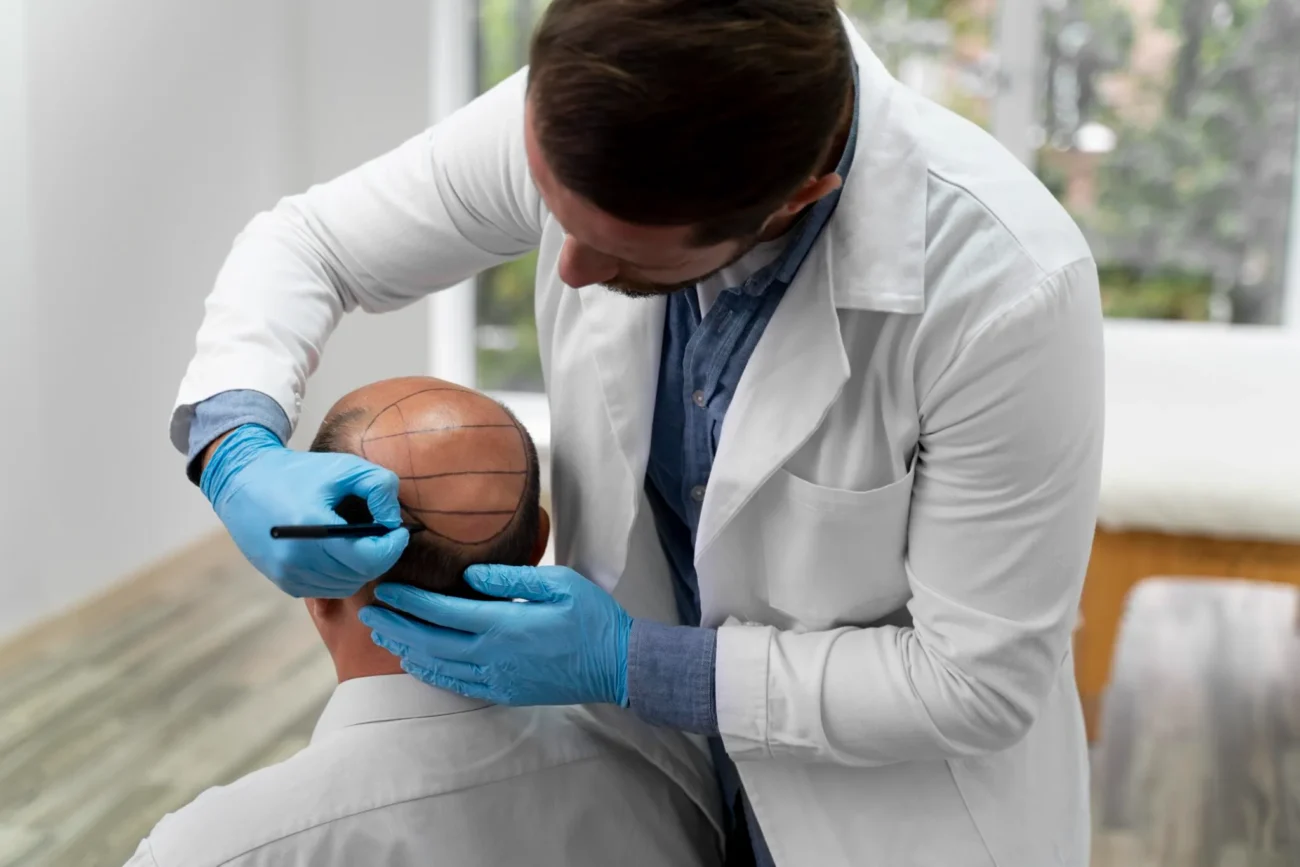
These programmes typically cover trichoscopy, hair loss classifications, pharmacological and non-pharmacological interventions, and patient counselling. While basic trichology focuses on non-surgical management, doctors seeking to specialise further in surgical solutions may consider enrolling in dedicated hair transplant training programs designed specifically for medical professionals. Hair transplantation, particularly Follicular Unit Extraction (FUE) and Follicular Unit Transplantation (FUT), requires separate clinical training but builds well upon a trichological foundation.
Surgical Dermatology: Expanding Procedural Skills
Dermatosurgery forms a crucial bridge between clinical dermatology and minor surgical interventions. It includes a range of procedures, from diagnostic biopsies to excisions of benign and malignant lesions. For dermatologists already trained at the MD level, a dermatosurgery course enhances both clinical confidence and treatment range.
This subspecialty proves especially useful in hospital settings, where dermatologists frequently assist with skin cancers, atypical lesions, or surgical repairs. Additionally, dermatosurgical skills also lay the foundation for advanced cosmetic procedures such as scar revision and skin tightening.
Subspecialisation in this area is typically hands-on and may include cadaveric dissections or supervised casework in advanced centres. For MD-qualified dermatologists planning to work in surgical units or to offer comprehensive care in private practice, dermatosurgery is an invaluable asset.
Hair Transplant Training: Combining Aesthetics with Surgical Precision
With the booming demand for hair restoration in both men and women, surgical hair transplant procedures are seeing exponential growth. Hair transplant training for doctors enables MD dermatologists to offer one of the most lucrative and in-demand procedures in aesthetic dermatology.
Training often begins with an anatomical understanding of the scalp and donor-recipient zones, followed by techniques such as FUE and FUT. Doctors are also trained in graft design, donor harvesting, anaesthetic safety, and complication management. Clinical fellowships or hands-on workshops provide the immersive exposure required to offer this procedure safely and ethically.
Dermatologists with prior trichology experience find this a natural extension of their skills, enabling them to provide comprehensive hair care solutions, from diagnosis to medical and surgical interventions.
Laser Dermatology: Precision Meets Technology
Energy-based devices have revolutionised the field of dermatology, creating new treatment avenues for scars, pigmentation, vascular lesions, and anti-ageing. A laser course for doctors is essential for any dermatologist wanting to integrate devices like fractional lasers, Q-switched lasers, IPL, and RF-based systems into their practice.
Formal training goes beyond button-pushing — it involves understanding skin–laser interactions, fluence settings, treatment protocols, and patient safety. Dermatologists also learn how to manage laser complications and ensure proper post-procedure care. Given the cost of equipment and the technical complexity of lasers, proper certification is critical for doctors planning to use these devices professionally.
For MD dermatologists venturing into medical aesthetics or cosmetic dermatology, laser training offers high patient value and a strong business case, especially in urban and Tier 1 markets.
Choosing Your Subspecialty Path: Practical Considerations
Choosing the right subspecialty is often driven by the needs of your existing practice, the demographic you serve, and your own clinical interests. For instance, if your clinic sees a high footfall of young patients concerned with hair loss, a trichology course followed by hair transplant training may offer the most ROI. Similarly, if you’re based in a city with a demand for cosmetic correction, combining dermatosurgery and laser training can help you tap into both therapeutic and aesthetic segments, making it a great choice for those looking to pursue a superspeciality after MD dermatology.
It’s also wise to begin with one focus area, build expertise, and then layer additional skills over time. A modular approach helps avoid burnout while ensuring mastery at every step. Many dermatologists begin their subspecialisation journey with a certification course in dermatology, gaining foundational knowledge before progressing into hands-on areas like dermatosurgery or laser treatments.
Additionally, opt for university-accredited or CPD-endorsed courses that include hands-on training, assessments, and clinical mentorship. Avoid overly commercial courses that do not provide medical rigour or restrict access to peer-reviewed teaching.
How OC Academy Supports Your Subspecialisation Journey
For dermatologists seeking to advance their clinical expertise after MD, OC Academy offers access to structured programs across core dermatology subspecialties. Whether you’re interested in trichology, dermatosurgery, cosmetic dermatology, or laser science, our platform helps you identify the right path based on your background and career objectives.
Every course on OC Academy is medically certified and developed by globally recognised institutions, ensuring alignment with clinical standards and ethical practice. From flexible short-term modules to comprehensive long-term courses, these programs are tailored for doctors who value credibility, relevance, and outcome-driven learning.
OC Academy also supports your journey with advanced options, including courses leading to an MS in Dermatology. Designed to provide deep, structured learning, these programs combine theoretical foundations with applied knowledge, empowering you to subspecialise with clarity, confidence, and credibility.
Conclusion
The dermatology landscape is evolving rapidly, and general training is no longer enough to meet the sophisticated expectations of today’s patients. Subspecialisation empowers MD-qualified dermatologists to lead the way in precision-based care, whether in trichology, surgical dermatology, or aesthetic procedures.
Whether it’s pursuing a recognised dermatosurgery course, undertaking focused hair transplant training for doctors, or expanding cosmetic capabilities through a certified laser course for doctors, subspecialties enhance credibility and open up rewarding career pathways.
If you’re ready to deepen your clinical expertise and specialise further, now is the perfect time to enrol in a well-structured course for aspiring dermatologists that aligns with your career goals and practice ambitions.
Frequently Asked Questions (FAQs)
1. What are the most in-demand dermatology subspecialties after MD?
Trichology, dermatosurgery, aesthetic dermatology, hair restoration, and laser-based procedures are increasingly sought-after.
2. How does a trichology course for doctors help in clinical practice?
It equips doctors to diagnose and manage hair and scalp conditions more effectively and is often the foundation for hair transplant training.
3. Is a dermatosurgery course necessary if I already have surgical exposure in MD?
Yes, it provides refined, hands-on training and covers aesthetic as well as functional surgical techniques in more depth.
4. Can I do laser training without a cosmetic dermatology background?
Yes, but it’s ideal to pair laser training with aesthetic dermatology exposure to ensure well-rounded practice.
5. How do I choose between trichology and lasers as a subspecialty?
Assess patient demand in your clinic, your own interest, and the long-term scalability of the service. You can also sequentially pursue both.