
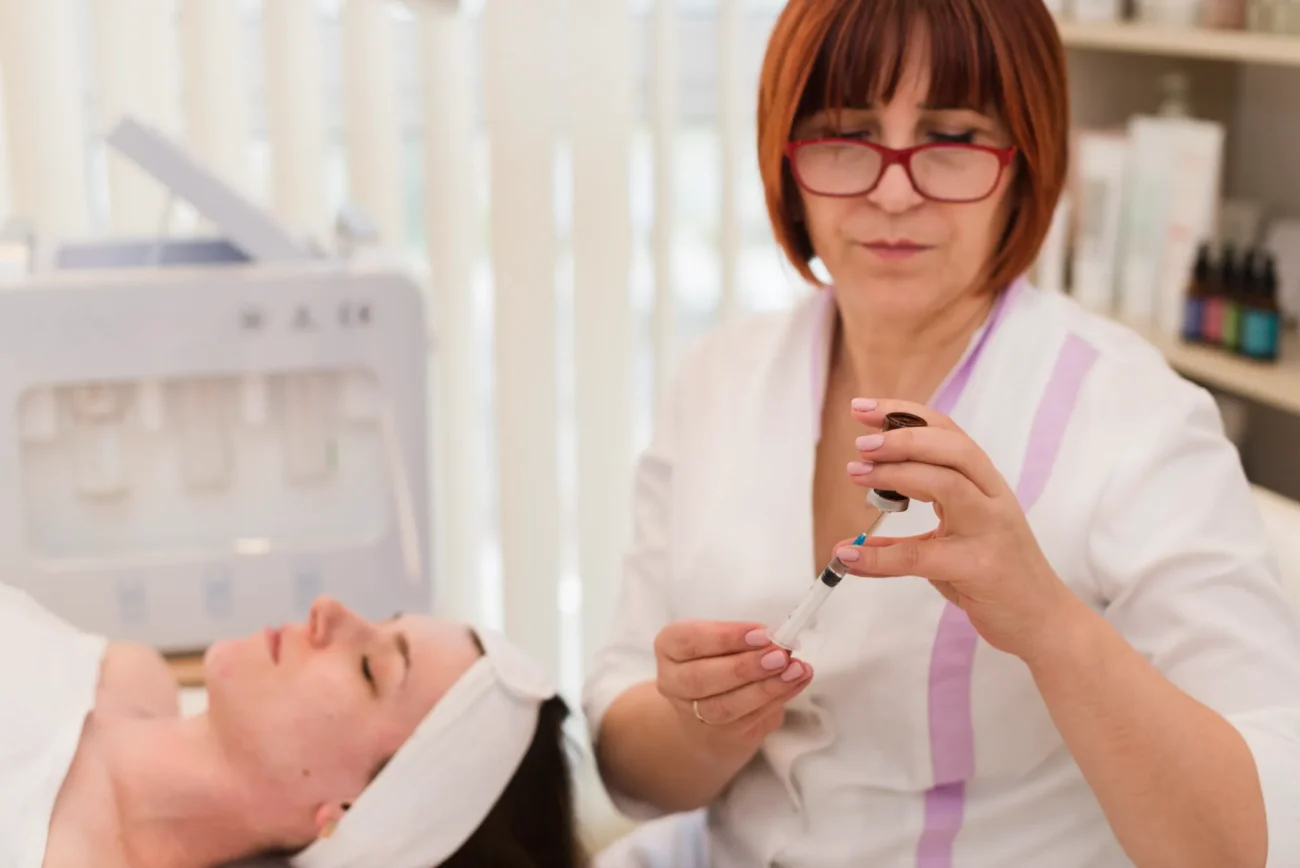
Aesthetic dermatology in India has transitioned from an emerging trend to an essential service, particularly in urban and Tier 2 cities. With the surge in demand for non-invasive cosmetic treatments, medically supervised skincare, and anti-ageing therapies, dermatologists are now in a unique position to combine their clinical training with high-value cosmetic offerings.
Most doctors completing their MBBS and MD aspire to start their own clinics and establish an independent practice. But how to start a skin clinic that is credible, competitive, and financially sustainable is a question that requires a strategic and medically sound approach. From legal compliance and location planning to technology acquisition and service diversification, each element plays a role in building a successful aesthetic clinic.
This guide offers doctors a structured overview to navigate their transition into aesthetic dermatology practice in India, with insights on key steps, ethical and legal considerations, and common challenges.
Understanding the Landscape of Cosmetic Dermatology in India
The Indian cosmetic dermatology market is currently valued in billions, growing steadily due to lifestyle shifts, social media influence, and increased awareness around skincare. What was once perceived as a luxury is now seen as preventative care.
Patients today are well-informed and looking for evidence-based treatments delivered by qualified professionals. This makes cosmetic dermatology in India a domain best served by medically trained dermatologists who can bridge aesthetics with safety.
Common services offered in aesthetic dermatology clinics include:
- Acne scar treatments
- Pigmentation correction
- Laser hair removal
- Botox and dermal fillers
- Anti-ageing therapies
- Skin rejuvenation and tightening procedures
Each of these treatments requires medical assessment, procedural expertise, and ethical counselling, reaffirming the importance of qualified doctors in the cosmetic space.
Step 1: Strategic Planning and Niche Definition
Starting an aesthetic dermatology practice begins with identifying your unique value proposition. While the core services may be similar across clinics, how you position yourself matters. Will you focus on acne management for young adults? Or offer anti-ageing solutions for corporate professionals? Defining your niche helps guide branding, pricing, and even clinic interiors.
Understanding your target demographic, their treatment preferences, and budget sensitivity can influence early decisions like service menus and device investments.
If you’re still deciding how to start a skin clinic, begin by evaluating:
- Local competition and service gaps
- Preferred clinic location (residential vs commercial)
- Potential patient volume
- Pricing strategy for services
A well-researched business plan rooted in market needs can help secure funding and avoid costly experimentation later.
Step 2: Legal and Regulatory Compliance
Every dermatology clinic setup must adhere to legal and ethical standards. This includes:
- Obtaining a valid medical practitioner licence
- Registering the clinic under a local municipal body
- Applying for a Clinical Establishment Act registration (where applicable)
- Ensuring biomedical waste disposal tie-ups and certifications
- Displaying all licences and doctor credentials publicly
Doctors must also ensure informed consent protocols are followed for every procedure, especially invasive ones like fillers or PRP. Transparent pricing, post-procedure care guidelines, and patient education build trust and reduce medico-legal risks.
Step 3: Clinic Infrastructure and Equipment
The scale of your clinic will depend on your initial investment capacity. However, functionality and aesthetics should go hand in hand. Even a small clinic should exude hygiene, professionalism, and modernity.
A basic dermatology clinic setup includes:
- A reception and consultation area
- A dedicated treatment room with an adjustable bed
- Basic dermatology instruments (Wood’s lamp, dermatoscope, etc.)
- Storage for medical and cosmetic products
For aesthetic procedures, additional equipment may include:
- Laser and IPL devices
- RF skin tightening systems
- Microdermabrasion and micro-needling pens
- Cryotherapy or electrosurgical units
- PRP kits and centrifuge
Always prioritise FDA- or CE-approved machines and ensure regular servicing and calibration. While devices are a major investment, the return on equipment depends on usage, so start with versatile, multi-procedure machines before scaling up.
Step 4: Service Menu and Pricing Model
Your service offerings should strike a balance between clinical and cosmetic procedures. Overly commercialising your clinic may dilute medical credibility, while focusing only on clinical dermatology might not capture the growing demand for aesthetic services.
Bundle consultations with treatments where applicable — for example, combining acne treatments with scar revision packages. Keep your pricing transparent and consistent. Researching competitors will give you an idea of how to position your services.
Introducing seasonal packages, trial sessions, and referral discounts can also support early patient acquisition and retention.
Step 5: Staff Hiring and Training
The reputation of your dermatologist’s private practice is not just built on your skills but also on your team’s. At the very least, you’ll need:
- A trained receptionist or clinic coordinator
- A nurse or assistant for procedures
- A technician (if using advanced machines)
Train your staff in areas like sterilisation protocols, patient communication, equipment safety, and record keeping. Empowered staff members who understand your clinic’s vision can greatly improve patient experience and retention.
In some cases, hiring a part-time visiting cosmetologist or aesthetician may be helpful, but only if procedures remain medically supervised.
Step 6: Digital Presence and Patient Acquisition
In today’s connected world, a strong digital presence is non-negotiable. Build a responsive website that includes the following:
- Your profile and credentials
- Services offered
- Before/after case images (with consent)
- Patient testimonials
- Blog articles and FAQS
Optimise your clinic for local SEO with listings on Google Maps and health directories. Maintain active social media profiles, especially Instagram and YouTube, which work well for skin care and aesthetic content.
Educational content builds credibility. Focus on sharing informative posts about procedure safety, expected outcomes, and post-care tips. This helps attract discerning patients and sets you apart from beauty salons or non-medical competitors.
Collaborations with local influencers, workshops, and skin care events also contribute to community building and patient inflow.
Step 7: Continuous Upskilling and Course-Based Learning
The field of aesthetic dermatology is evolving rapidly. New techniques, combination protocols, and safety standards are constantly being introduced. As a practitioner, staying updated is not optional.
For doctors wondering how to become an aesthetic dermatologist, the journey involves not just clinical training but also mastering cosmetic procedures through recognised courses. Enrol in certified aesthetic programmes or structured qualifications like a PG in Dermatology, along with many other courses, to deepen your clinical knowledge and confidently expand into cosmetic practice. These advanced courses often include modules on injectables, laser technologies, and combination treatments, essential for modern practice.
If you’re just getting started, think about enrolling in a dermatology course that includes both clinical and aesthetic modules. It builds your credibility early on and helps ensure you’re offering treatments that are safe, ethical, and grounded in evidence.
Conclusion
Launching your own aesthetic dermatology practice in India is a bold yet fulfilling career move. With the right mix of clinical expertise, business planning, and ethical patient care, it can become both a professionally rewarding and financially sustainable venture.
Establishing a practice involves more than acquiring clinical equipment—it requires building a patient-centric environment grounded in trust, safety, and evidence-based care. Key considerations such as infrastructure, licensing, staff training, and digital outreach must align with regulatory standards and ethical practice.
Your clinic’s success begins with your own expertise. Explore courses for dermatology that help you build patient trust, offer evidence-based care, and scale with confidence.
Frequently Asked Questions (FAQs)
1. Is it necessary to be a dermatologist to open an aesthetic clinic in India?
While anyone can open a cosmetic clinic, only a qualified dermatologist can legally and ethically perform medical aesthetic procedures such as fillers, Botox, and laser treatments.
2. How much does it cost to set up a dermatology clinic in India?
Depending on location and equipment, the initial cost can range from INR 5–20 lakh for a modest dermatology clinic setup.
3. What are the most in-demand treatments in cosmetic dermatology in India?
Acne treatments, pigmentation correction, laser hair removal, and anti-ageing therapies are highly sought-after.
4. How do I build a patient base for my dermatologist private practice?
Focus on education-based marketing, consistent follow-up, local SEO, social media content, and positive word-of-mouth from satisfied patients.
5. Are there any dermatology courses that can help me upskill for a patient-centric aesthetic practice?
Yes. Choose accredited, clinically focused dermatology courses that emphasise ethical standards, evidence-based care, and patient-centred approaches.