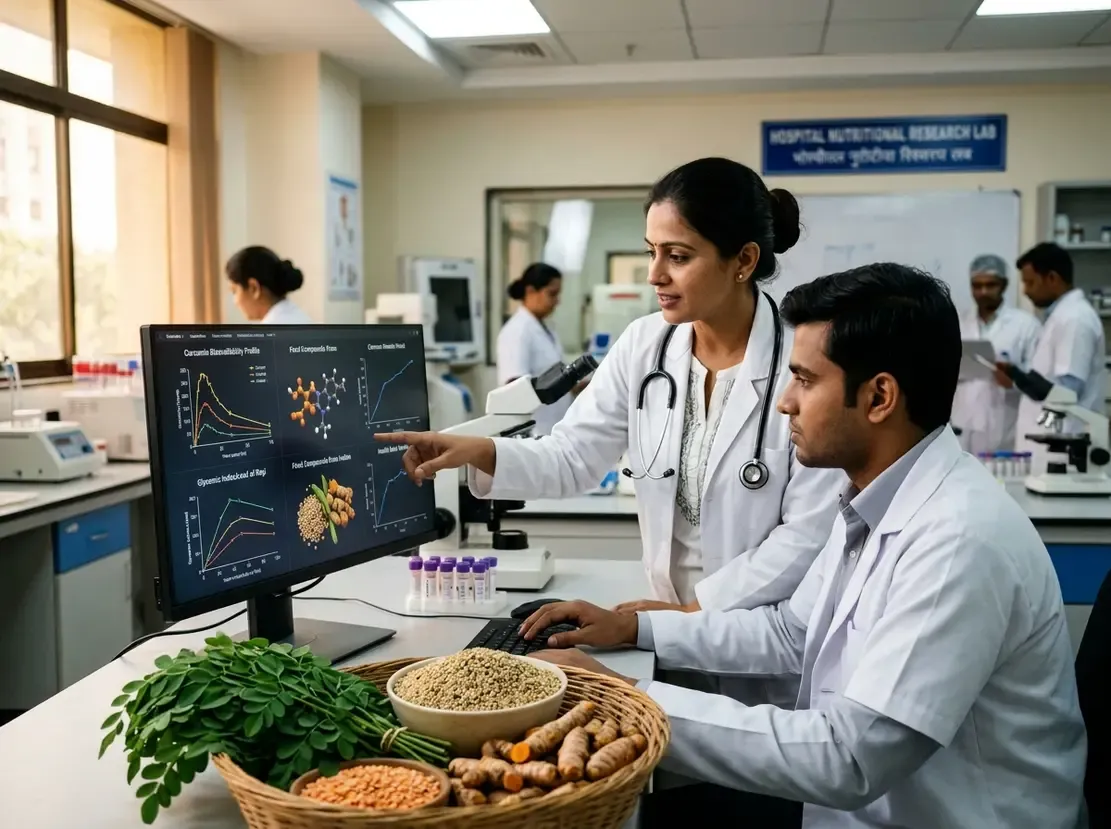
Why Digital Twins Are Revolutionizing Diabetes Diets
India faces an unprecedented cardiometabolic challenge with over one hundred million people living with diabetes. Traditional dietary advice has long relied on generic, one-size-fits-all meal plans. However, these static recommendations fail because human metabolism remains dynamic and individualized. Consequently, digital twin precision nutrition offers a transformative paradigm shift. By integrating continuous biosignals and computational modeling, this approach targets root metabolic dysfunction rather than isolated symptoms.
The Limits of Conventional Dietary Advice
For decades, clinicians have advised patients to simply cut carbohydrates and walk more. Yet, contradictory dietary regimens showcase how unscientific standard advice can be. For instance, ketogenic diets derive five percent of calories from carbohydrates, whereas Ornish diets prescribe seventy-five percent. Furthermore, a single night of sleep deprivation can severely impair whole-body insulin sensitivity. Therefore, a static paper diet plan cannot predict how an individual metabolizes food on any given day. Real metabolic precision must answer what to eat, when to eat, and in what sequence.
Mechanisms of Digital Twin Precision Nutrition
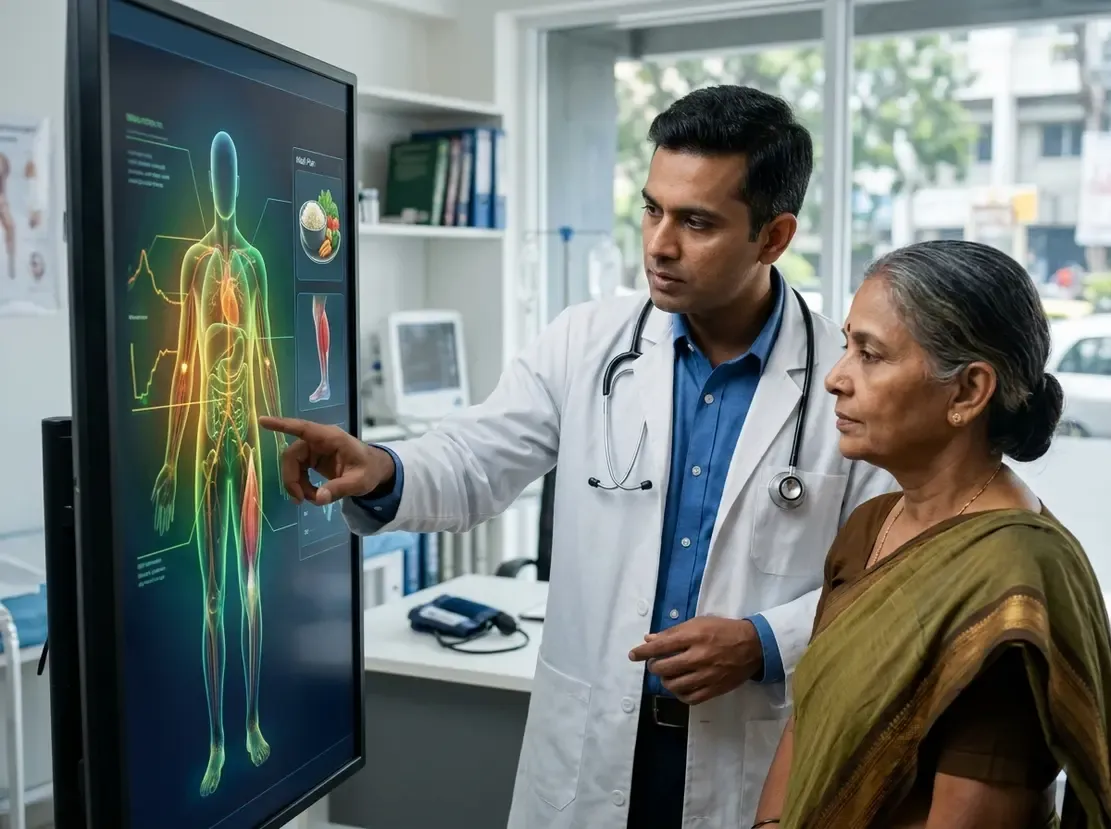
Digital twin technology constructs a dynamic, continuously learning computational model of an individual's unique metabolism. Specifically, the system integrates wearable sensor signals, continuous glucose data, laboratory biomarkers, and food logs. Rather than counting calories, the platform directly optimizes insulin demand. For example, the software translates meal predictions into actionable traffic-light indicators. As cellular health recovers, foods naturally transition from red to orange and green. In addition, this approach personalizes macronutrients, micronutrient bioavailability, and gut microbiome biota nutrients simultaneously.
Protecting Metabolic Health in the GLP-1 Era
GLP-1 receptor agonists have revolutionized the management of diabetes and obesity across India. However, substantial clinical challenges emerge when patients discontinue these medications. For example, evidence reveals that individuals frequently regain two-thirds of lost weight within one year of cessation. Moreover, up to forty percent of weight loss can consist of critical lean skeletal muscle. Therefore, physicians must pair GLP-1 pharmacotherapy with targeted metabolic intelligence. The digital twin guides protein intake and resistance training to preserve essential muscle mass while appetite remains low.
Clinical Evidence Supporting Digital Twin Precision Nutrition
A landmark randomized controlled trial led by Cleveland Clinic researchers demonstrated remarkable findings. In that study, seventy-one percent of intervention participants achieved an HbA1c below 6.5 percent without intensive medications. Conversely, only 2.4 percent achieved this primary endpoint in standard care. Furthermore, intervention participants experienced an average body weight reduction of 8.6 percent. Similarly, previous studies demonstrated that over sixty-eight percent of participants safely discontinued antihypertensive therapies at one year. Consequently, predictive metabolic intelligence provides a validated pathway toward sustainable disease remission.
Frequently Asked Questions
Q1: How does a digital twin differ from standard calorie-counting apps?
Standard mobile applications track historical calorie intake and apply generic formulas. In contrast, a digital twin continuously synthesizes real-time physiological biosignals, predicting glycemic responses and optimizing insulin demand for each individual.
Q2: Can digital twin precision nutrition support patients tapering off GLP-1 medications?
Yes. The platform provides continuous data on insulin sensitivity and liver fat. Consequently, clinicians can systematically preserve lean muscle mass and prevent rebound weight gain during medication tapering.
Q3: Does this dietary approach require eliminating staple Indian foods?
No. The program does not eliminate staples like rice or roti. Instead, the technology optimizes meal sequencing, portion sizes, and nutrient timing to maintain glucose stability without severe dietary restriction.
References
- Beyond the Meal Plan: AI Digital Twin–Driven Precision Nutrition - ETHealthworld
- Pantalone KM, et al. Type 2 Diabetes Pharmacotherapy De-Escalation Through AI-Enabled Lifestyle Modifications: A Randomized Clinical Trial. NEJM Catalyst. 2025;6(9).
- Shamanna P, Joshi S, Shah L, et al. Type 2 diabetes reversal with digital twin technology-enabled precision nutrition and staging of reversal: a retrospective cohort study. Clin Diabetes Endocrinol. 2021;7(1):21.
- Shamanna P, et al. Digital twin in managing hypertension among people with type 2 diabetes: 1-year randomized controlled trial. JACC: Advances. 2024.