Solving India's Nutrition Paradox: Beyond Empty Calories
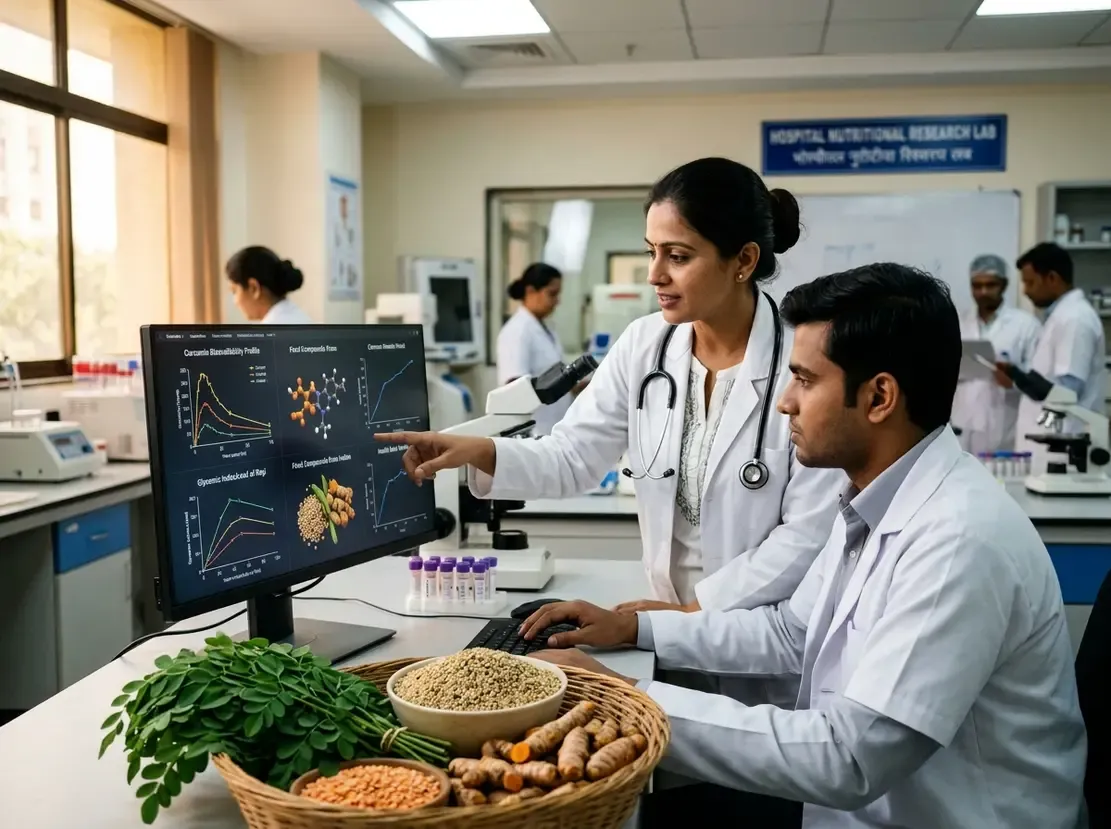
Urban Indian clinics increasingly encounter patients who appear well-fed yet suffer from severe micronutrient exhaustion. Consequently, clinicians must recognize India's nutrition paradox. This crisis combines caloric excess with micronutrient malnutrition. Although delivery services and grocery shelves display food abundance, clinical presentations tell a troubling story. Specifically, young professionals present with non-alcoholic fatty liver disease, while children with high body mass indexes show severe iron-deficiency anaemia. Therefore, modern medical practice must distinguish simple caloric consumption from true biological nourishment.
Understanding India's Nutrition Paradox and Dual Burdens
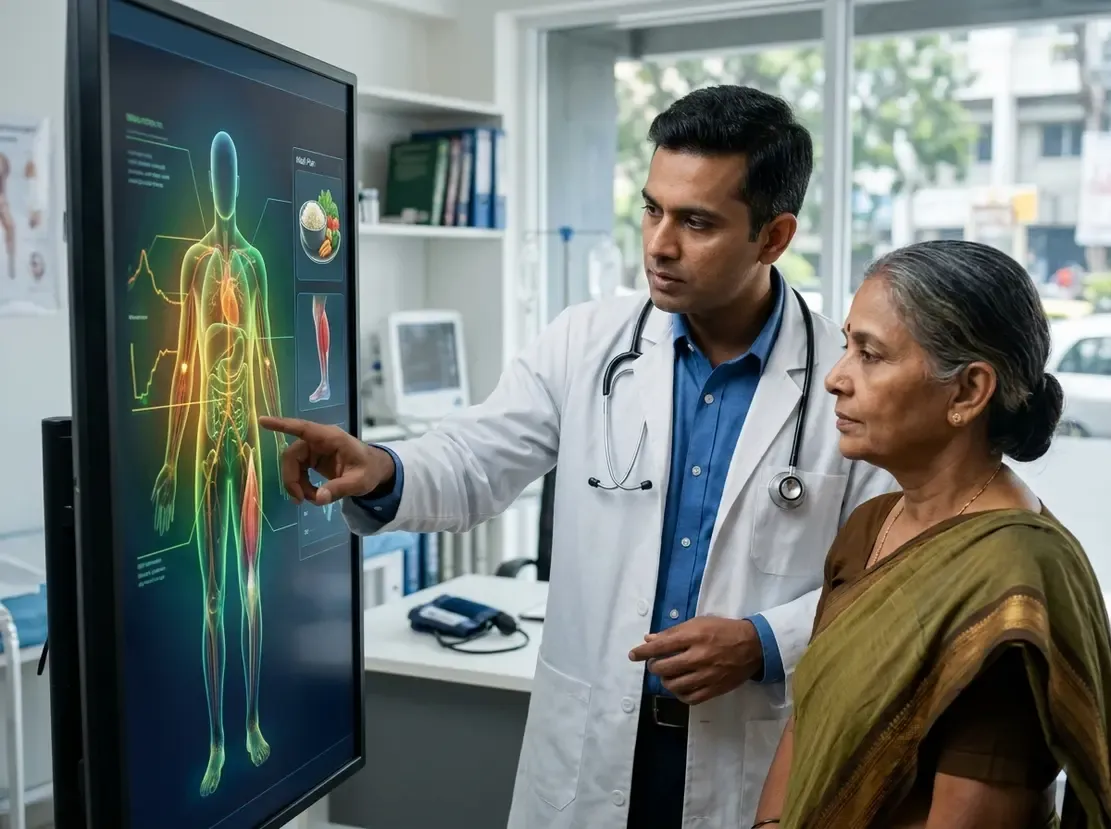
Historically, Indian public health focused primarily on undernutrition, stunting, and wasting among impoverished populations. However, National Family Health Survey data confirm that undernutrition persists alongside a surge in obesity. In addition, the ICMR-INDIAB study revealed that over one hundred million Indians now have diabetes. Furthermore, more than one hundred and thirty million individuals live with prediabetes. Clinicians frequently observe these two distinct burdens within the exact same patient. For example, an individual may carry excess visceral adiposity while experiencing severe deficiencies in iron, vitamin B12, and vitamin D. Medical experts term this phenomenon hidden hunger. Thus, the body absorbs ample metabolic energy but starves of essential physiological micronutrients.
Dietary Shifts and the Phenotypic Risks of Urbanization
Over the past two decades, dietary habits across India have shifted drastically away from traditional patterns. In particular, refined flours, polished white rice, and ultra-processed foods have replaced nutrient-dense millets and pulses. In addition, packaged snacks and sweetened beverages deliver high caloric loads with minimal dietary fibre or bioavailable micronutrients. Moreover, South Asian populations exhibit a distinctive thin-fat phenotype. As a result, Indians develop abdominal adiposity and metabolic complications at lower body mass index thresholds than Western populations. Sedentary jobs and minimal physical activity compound these risks further. Consequently, individuals develop severe dyslipidaemia, early hypertension, and hepatic steatosis in their twenties and thirties.
Clinical Interventions and Dietary Strategies
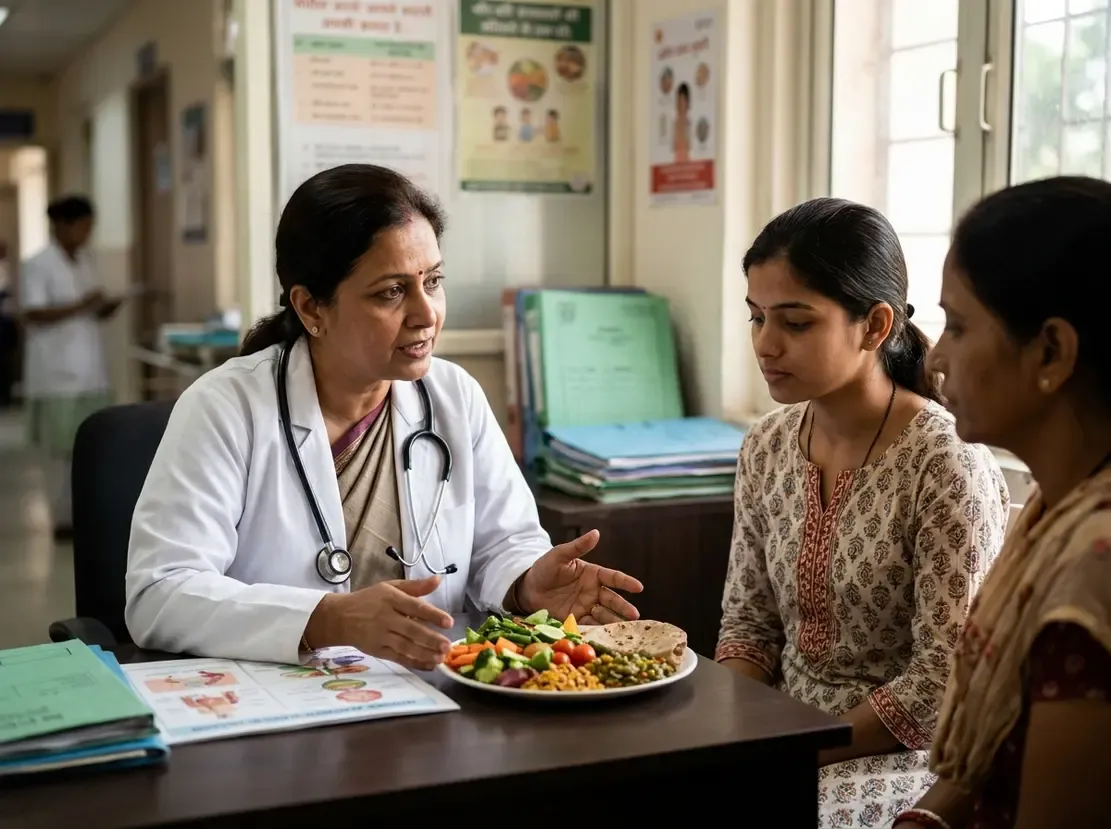
Fortunately, practical clinical interventions can reverse these metabolic trajectories. First, physicians must encourage patients to reconstruct a balanced thali. Specifically, vegetables and salads should occupy half the plate, while quality protein sources occupy a quarter. Furthermore, clinicians should recommend incorporating whole grains such as ragi, jowar, and bajra to enhance micronutrient intake. Protein intake must occur across all daily meals to preserve lean muscle mass and improve satiety. In addition, routine clinical screening should assess serum ferritin, vitamin B12, vitamin D, and glycosylated haemoglobin. Ultimately, nutrition counseling must form an integral component of routine clinical care rather than a secondary consideration.
Frequently Asked Questions
Q1: What defines hidden hunger in urban populations?
Hidden hunger occurs when a person consumes sufficient or excessive calories while remaining deficient in essential vitamins and minerals. Consequently, individuals may appear overweight while experiencing severe micronutrient deficiencies such as low iron or vitamin B12 levels.
Q2: Why do Indians develop metabolic syndrome at a lower BMI?
South Asians often present with the thin-fat phenotype, which involves higher visceral adiposity and lower lean muscle mass at standard body weights. Therefore, metabolic complications like insulin resistance and dyslipidaemia develop even at seemingly normal body mass indices.
Q3: How can clinicians help patients achieve a nutritionally balanced diet?
Clinicians should advise patients to dedicate half their plate to colorful vegetables, incorporate traditional whole millets, and ensure adequate protein at every meal. Furthermore, regular screening for micronutrient deficiencies supports timely therapeutic supplementation.
References
- India’s Nutrition Paradox: Why Are We Eating More but Nourishing Less? - ETHealthworld
- Metabolic non-communicable disease health report of India: the ICMR-INDIAB national cross-sectional study (ICMR-INDIAB-17) - The Lancet Diabetes & Endocrinology
- Dietary Guidelines for Indians - ICMR-National Institute of Nutrition (ICMR-NIN)