Why Preconception Care Is India's Key to Lifelong Health

India faces an escalating double burden of malnutrition and non-communicable diseases. Routine maternal health programs usually register women during the second trimester of pregnancy. Consequently, clinical interventions occur too late to influence the critical phases of embryogenesis. Embedding proactive preconception care into primary healthcare provides an essential upstream solution to protect maternal and fetal outcomes.
The Biological Imperative for Preconception Care
Epigenetic science demonstrates that parental health scripts fetal metabolic development before fertilization occurs. For instance, chronic micronutrient deficiencies and maternal adiposity cause adverse intrauterine programming. Therefore, infants born under these metabolic conditions face heightened lifelong risks of hypertension and type 2 diabetes. Furthermore, the first trimester window for neural tube closure closes before most women visit an antenatal clinic. Therefore, clinicians must assess metabolic baselines before couples conceive.
Addressing the Dual Burden of Malnutrition
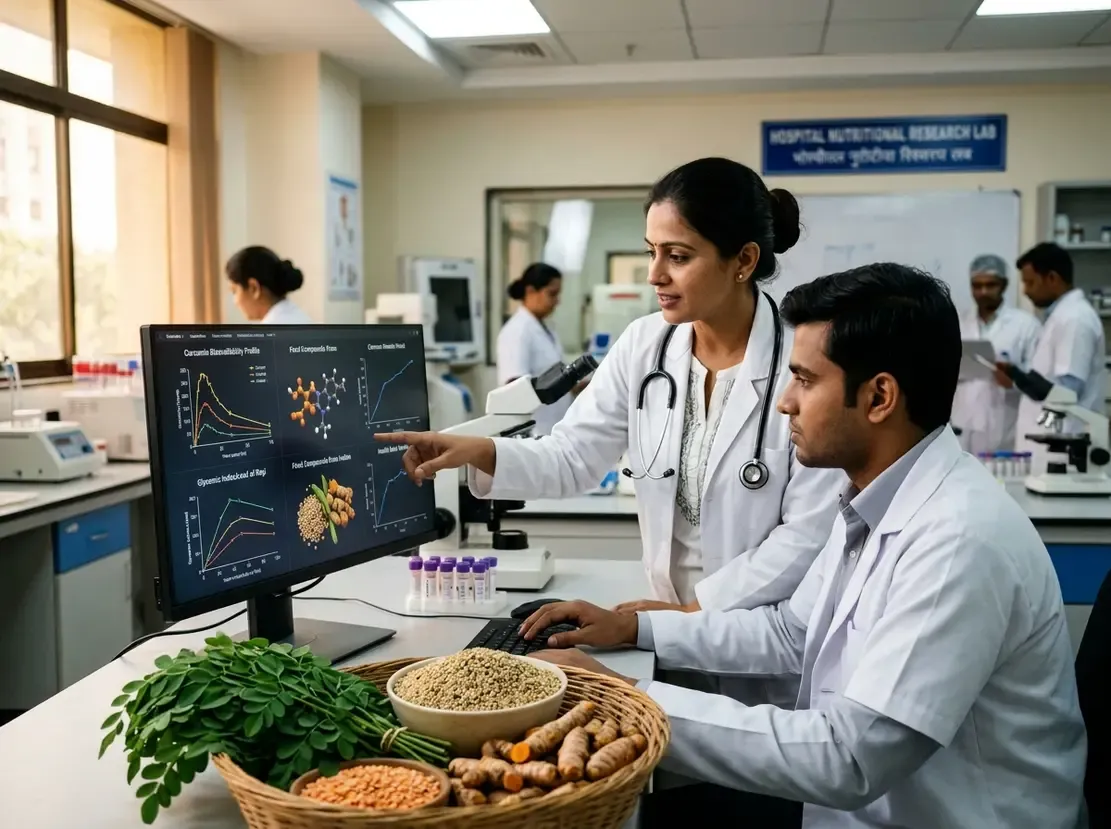
National data reveals that over half of Indian reproductive-age women experience anemia. Simultaneously, rapid urbanization drives consumption of ultra-processed foods across rural and urban homes. As a result, many young adults present with obesity alongside severe micronutrient deficits. To counter this dietary shift, the Indian Council of Agricultural Research and ICMR created the SEHAT initiative. Specifically, this program promotes biofortified staple crops like iron-rich millets and pulses. In addition, integrating diverse local foods strengthens household nutritional reserves naturally before pregnancy.
National Policies and Grassroots Care Models
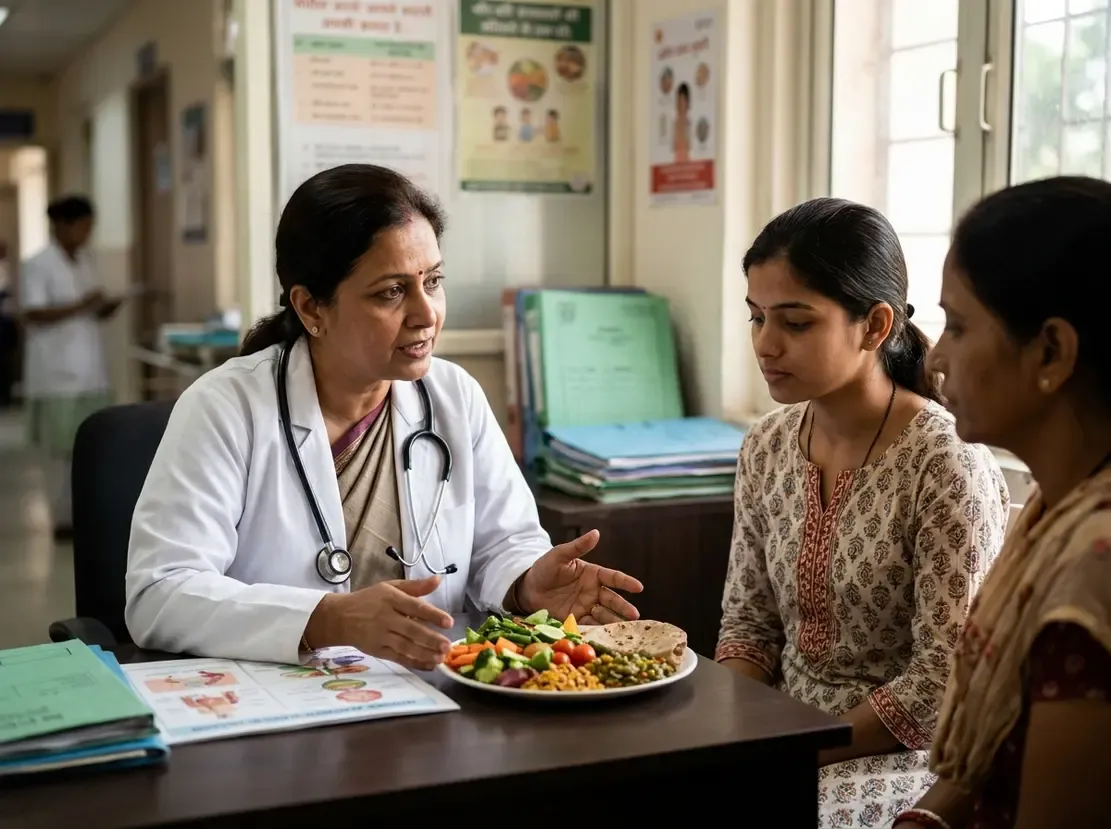
India's public health framework is aligning around lifecycle care. For example, the Anemia Mukt Bharat guidelines adopt a precision screening strategy. This approach tests and treats young adults before marriage. Moreover, professional bodies like FOGSI emphasize pre-pregnancy body mass index optimization. Ground-level pilots provide robust models for national replication. In Maharashtra, the Nashik preconception pilot trained community health workers to screen newlyweds. Consequently, the program reduced low birth weight rates significantly. Similarly, community self-help groups in Odisha and Bihar connect newly married couples to nutrition gardens.
Strengthening Primary Care Implementation
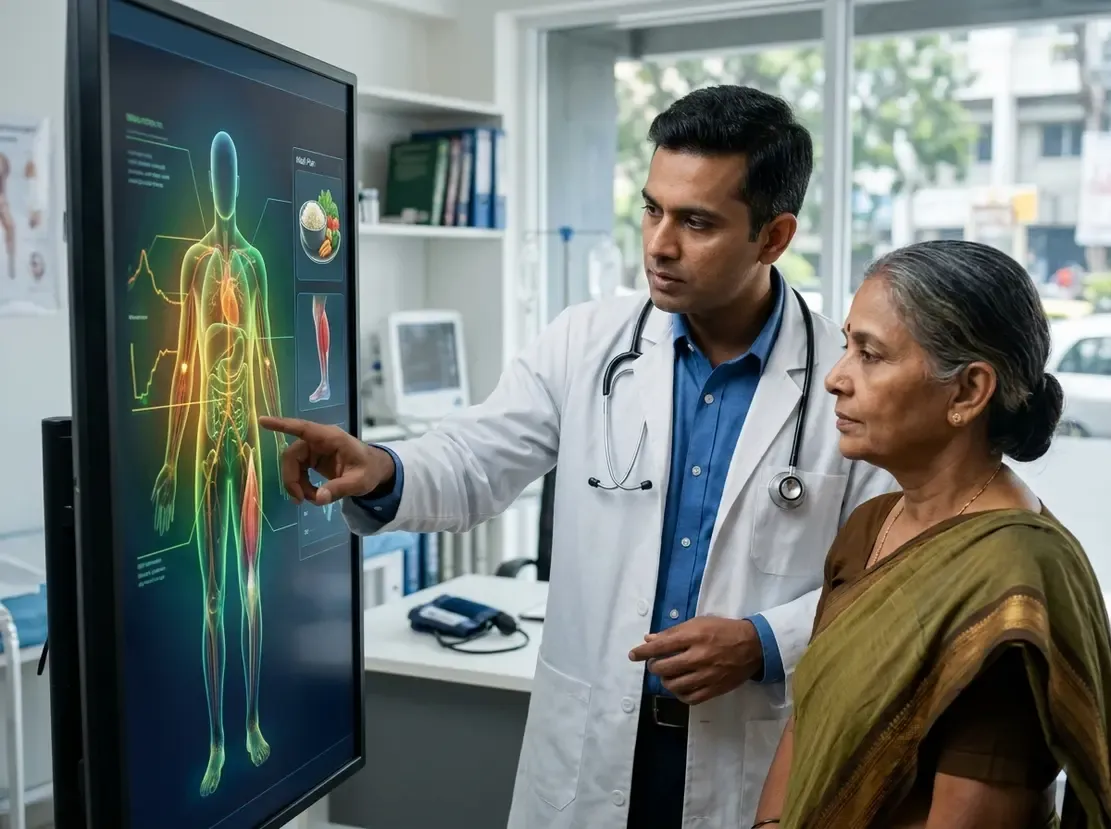
Primary care facilities must transform into active preconception health hubs. Specifically, Ayushman Arogya Mandirs should deliver routine metabolic screenings for newlyweds. Clinicians can easily detect hypertension, dysglycemia, and anemia during these baseline checks. In addition, digital public health platforms must track health metrics from adolescence into adulthood. Linking adolescent records with pregnancy registries ensures unbroken care continuity. Ultimately, prioritizing preconception health shields prospective mothers and gives future generations an optimal start in life.
Frequently Asked Questions
Q1: Why is preconception care more effective than traditional antenatal care alone?
Preconception care addresses nutritional deficits and metabolic risks before organogenesis occurs. By the time a woman attends her first antenatal check-up, vital developmental milestones like neural tube closure have already concluded.
Q2: How does parental nutritional status influence fetal programming?
Parental micronutrient deficiencies and metabolic dysregulation cause adverse epigenetic changes in the developing fetus. Consequently, these early cellular adaptations elevate the child's lifelong susceptibility to type 2 diabetes and cardiovascular disease.
Q3: What role does the SEHAT initiative play in preconception nutrition?
The SEHAT initiative unites agricultural science with public health by scaling biofortified, nutrient-dense crops such as iron-rich millets. Therefore, families build adequate micronutrient reserves through their daily diet well before entering pregnancy.
References
- Moving Upstream: Why India’s Health and Nutrition Revolution Must Begin BeforeConception - ETHealthworld
- Federation of Obstetric and Gynaecological Societies of India (FOGSI). Good Clinical Practice Recommendations on Preconception Care.
- Indian Council of Medical Research - National Institute of Nutrition (ICMR-NIN). Dietary Guidelines for Indians.