
India Expands Drug Import Gateways to Bolster Healthcare
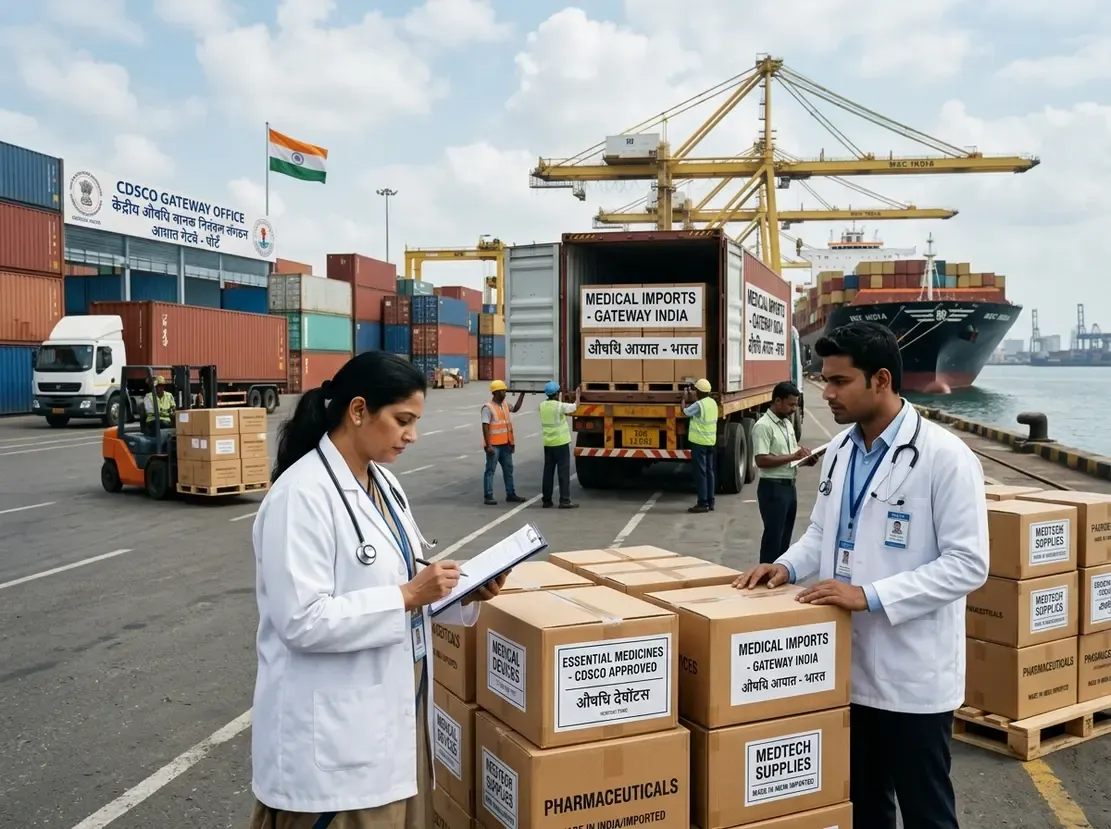
The Union Health Ministry has proposed widening the country's drug import gateways to expedite healthcare trade. Specifically, the government drafted an amendment to Rule 43A of the Drugs Rules, 1945. This regulatory shift aims to enhance logistics efficiency for critical pharmaceuticals and medical equipment. Consequently, medical institutions can anticipate more dependable access to essential supplies.
Expanding Drug Import Gateways Across India
Rule 43A specifies authorized entry points for importing pharmaceuticals into the country. Currently, importers face logistical constraints when routing consignments through distant maritime or air hubs. Therefore, the Ministry has designated ten additional Inland Container Depots across key states.
Additionally, the notification includes the Bommasandra Special Economic Zone in Karnataka. Importers can also utilize the upcoming Noida International Airport in Uttar Pradesh for air cargo. Furthermore, the existing network already encompasses inland depots at Dhannad and Tihi in Madhya Pradesh. As a result, the expanded network allows customs clearance closer to manufacturing units and distribution warehouses.
Clinical and Operational Impact on Healthcare Systems
Timely supply chains directly influence daily clinical workflows and emergency preparedness. Moreover, Indian hospitals rely heavily on imported advanced technologies, diagnostic kits, and specialized medications. Transport bottlenecks often exacerbate shortages of time-sensitive reagents and life-saving implants.
However, localized customs clearance will substantially mitigate transit delays. Shorter inland transit also protects cold-chain integrity for temperature-sensitive biologics and vaccines. In addition, lower transportation expenses may decrease overall landed procurement costs for medical centers. Ultimately, these operational improvements ensure patients receive uninterrupted diagnostic and therapeutic care.
Industry Response and Regulatory Implementation
The Medical Technology Association of India welcomed the regulatory draft. Industry leaders emphasized that prompt customs clearance directly strengthens hospital capabilities. Furthermore, domestic medical device manufacturers require imported precision components to assemble critical devices locally.
Nevertheless, successful execution requires robust regulatory infrastructure at every designated gateway. CDSCO port offices must coordinate efficiently with customs via the ICEGATE platform. Thus, establishing dedicated testing labs and inspection personnel remains vital. With these safeguards, the initiative will modernize India's pharmaceutical logistics landscape.
Frequently Asked Questions
Q1: What is the primary purpose of amending Rule 43A?
The amendment expands authorized entry points to simplify clearance, reduce transit delays, and optimize logistics costs for healthcare products.
Q2: Which new entry points are included in the proposal?
The proposal includes inland depots across Haryana, Uttar Pradesh, Gujarat, Telangana, and Karnataka, alongside Noida International Airport.
Q3: How does this regulatory change benefit clinical patient care?
Faster clearance minimizes inventory stockouts for critical medical devices, surgical implants, and temperature-sensitive pharmaceuticals in hospitals, supporting professionals undergoing comprehensive training.
References
- Centre proposes expansion of import gateways for drugs and medical devices - ETHealthworld
- Centre proposes 10 new import gateways for drugs, medical devices - The Hindu
- Health Ministry Plans Expansion Of Import Gateways For Drugs And Devices - NDTV


