DRC’s Ebola Crisis: Why This Outbreak is Out of Control
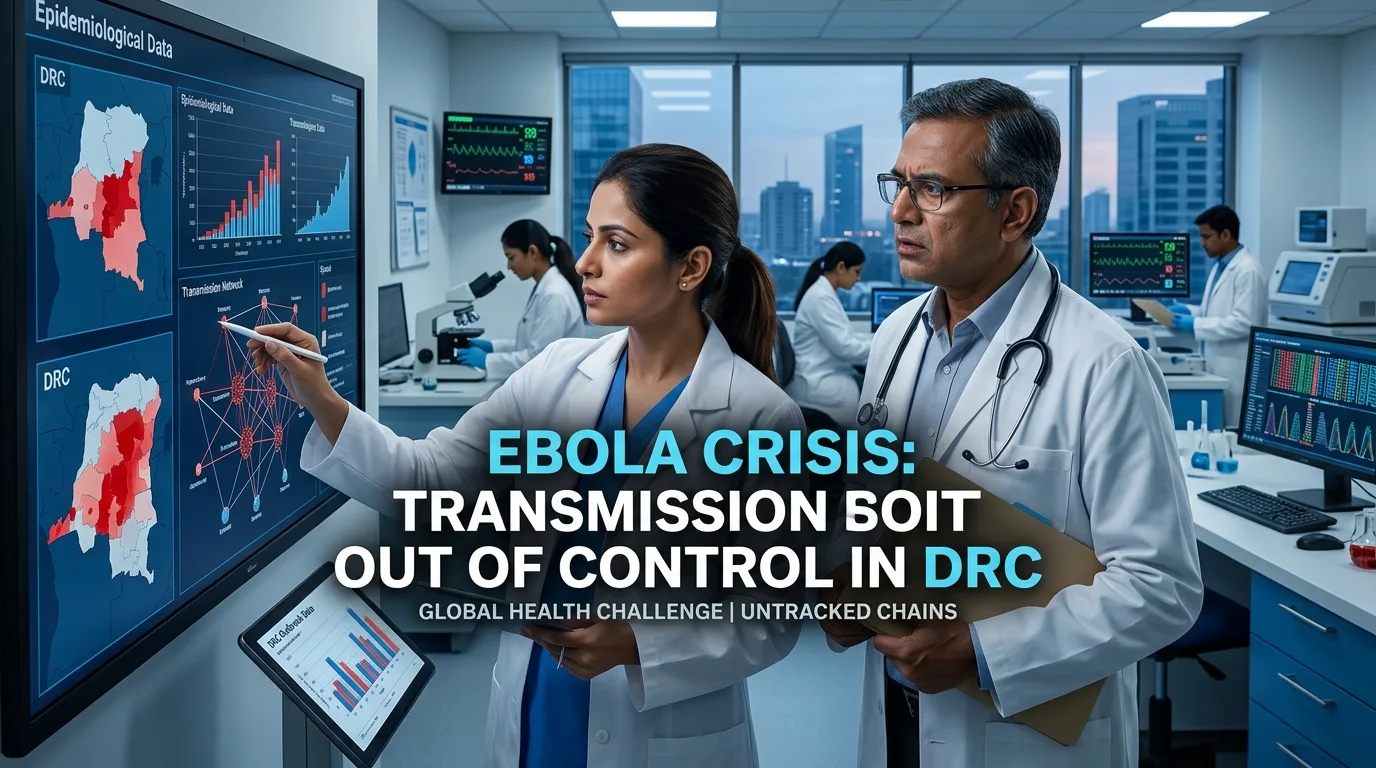
The current Ebola Bundibugyo outbreak in the Democratic Republic of the Congo (DRC) is escalating at an alarming rate. Consequently, global health officials are sounding the alarm because they cannot trace most transmission chains. Indeed, the World Health Organization recently warned that the epidemic is outpacing active response measures. Medical professionals worldwide must monitor this situation closely, especially because this specific strain lacks approved vaccines.
Challenges in Tracking the Ebola Bundibugyo Outbreak
Currently, nearly 80% of new infections emerge outside known contact lists. Therefore, epidemiologists cannot trace how the virus is spreading. Additionally, many infected individuals die in their local communities without ever receiving professional healthcare. This reality suggests that the official numbers likely underrepresent the true scale of the crisis. Furthermore, active conflict in eastern Congo hinders relief groups from reaching high-risk areas. As a result, healthcare workers face extreme danger while trying to contain the spread, emphasizing the necessity of advanced training for those working in emergency medicine.
The Scientific Hurdle: Lack of Approved Treatments
Unlike the more common Zaire strain, the Bundibugyo virus has no licensed vaccines or therapeutic drugs. However, researchers recently launched clinical trials to evaluate experimental interventions. In addition, the WHO has listed new diagnostic tools to accelerate case detection. Meanwhile, international travel creates a potential risk for global dissemination. For instance, a medical worker recently returned to Europe with a confirmed infection. Thus, clinicians globally must remain vigilant regarding patients with unexplained hemorrhagic symptoms.
Global Implications and Clinical Vigilance
Healthcare providers should obtain detailed travel histories for individuals presenting with acute fevers. Specifically, anyone returning from central or eastern Africa requires careful screening. If a clinician suspects Ebola, they must immediately isolate the patient. Moreover, they must contact local public health authorities without delay. Although the risk to other continents remains low, early detection is vital to prevent localized transmission. Consequently, international collaboration is essential to support the response in Congo, and developing specialized skills through an emergency medicine certification remains a global priority for frontline staff.
Frequently Asked Questions
Q1: Why is the current Ebola Bundibugyo outbreak exceptionally difficult to control?
Unlike the Zaire ebolavirus, the Bundibugyo species currently has no approved vaccines or targeted therapies. Additionally, active regional conflict and community mistrust seriously hinder containment efforts in eastern Congo.
Q2: How does the virus spread, and what are the main clinical symptoms?
The virus transmits through direct contact with the bodily fluids of infected individuals. Patients typically present with sudden fever, muscle pain, severe headache, vomiting, and unexplained hemorrhaging.
References
- Majority of new Ebola cases in eastern Congo are from unknown chains, asoutbreak outpaces response – ETHealthworld
- Ebola outbreak – DRC 2026 – World Health Organization (WHO)
- Bundibugyo virus: Why this Ebola disease outbreak is different – Doctors Without Borders
Disclaimer: This article was automatically generated from publicly available sources and is provided for informational and educational purposes only. OC Academy does not exercise editorial control or claim authorship over this content. It is not a substitute for professional medical advice, diagnosis, or treatment. Always consult a qualified healthcare provider and refer to current local and national clinical guidelines.