Surging Emergency CT and MRI Use: Key Trends & Workflows
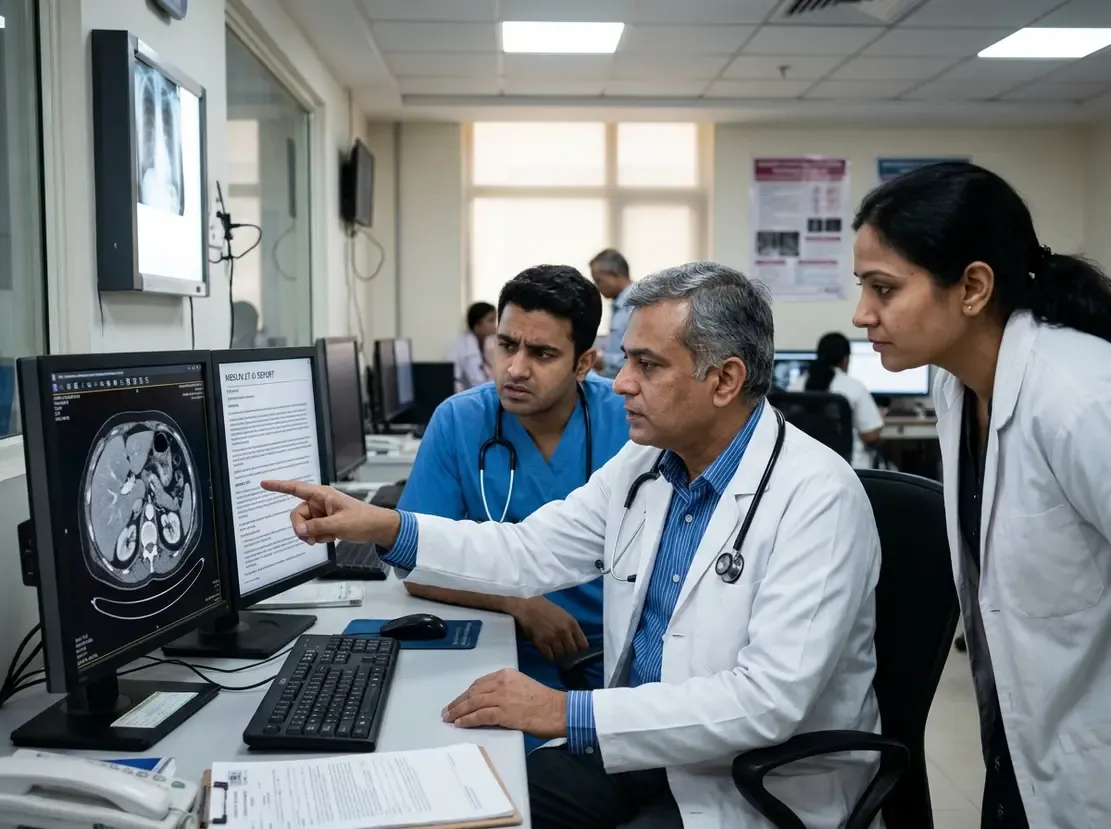
Diagnostic imaging plays an indispensable role in acute clinical triage. In recent years, large clinical datasets demonstrate an unprecedented surge in emergency CT and MRI requests across hospital systems. Furthermore, emergency physicians frequently manage complex clinical presentations that demand rapid cross-sectional evaluation. Consequently, diagnostic reliance on advanced neuroimaging and abdominopelvic scanning continues to accelerate globally. Therefore, analyzing these escalating utilization patterns helps clinicians anticipate future staffing and workflow demands.
Rising Trajectory of Emergency CT and MRI
A multicenter retrospective study analyzed over 431 million emergency encounters between 2016 and 2025. During this decade, computed tomography utilization nearly doubled from 27.3 to 53.9 scans per 100 encounters. This shift represents an annual growth rate of 7.4 percent. Similarly, magnetic resonance imaging rose from 3.6 to 5.4 examinations per 100 visits. Overall, combined cross-sectional imaging increased from 30.9 to 59.3 events per 100 encounters. In contrast, encounters managed without any cross-sectional imaging fell sharply from 80.0 percent to 66.8 percent. Projections indicate that combined scan rates will reach nearly 85 studies per 100 encounters by 2030. Thus, emergency medicine workflows are shifting rapidly toward routine advanced cross-sectional evaluation.
Subspecialty Shifts and Age-Stratified Patterns
Imaging demand expanded universally across every radiology subspecialty, age bracket, and geographic region. However, neuroradiology accounted for the largest absolute increase at 36.3 percent of the total growth. Body imaging followed closely behind, contributing 29.0 percent of the overall surge. Acute neurological symptoms and abdominal emergencies represent primary clinical drivers for these scans. In addition, adult patients aged 65 years and older demonstrated the highest volume of scan utilization. Pediatric emergency encounters also recorded significant increases in imaging volume. Furthermore, sensitivity analyses excluding the pandemic period confirmed sustained upward momentum. Consequently, these sustained shifts reflect lasting structural alterations in emergency practice rather than transient clinical anomalies.
Clinical Impact and Radiology Workforce Preparedness
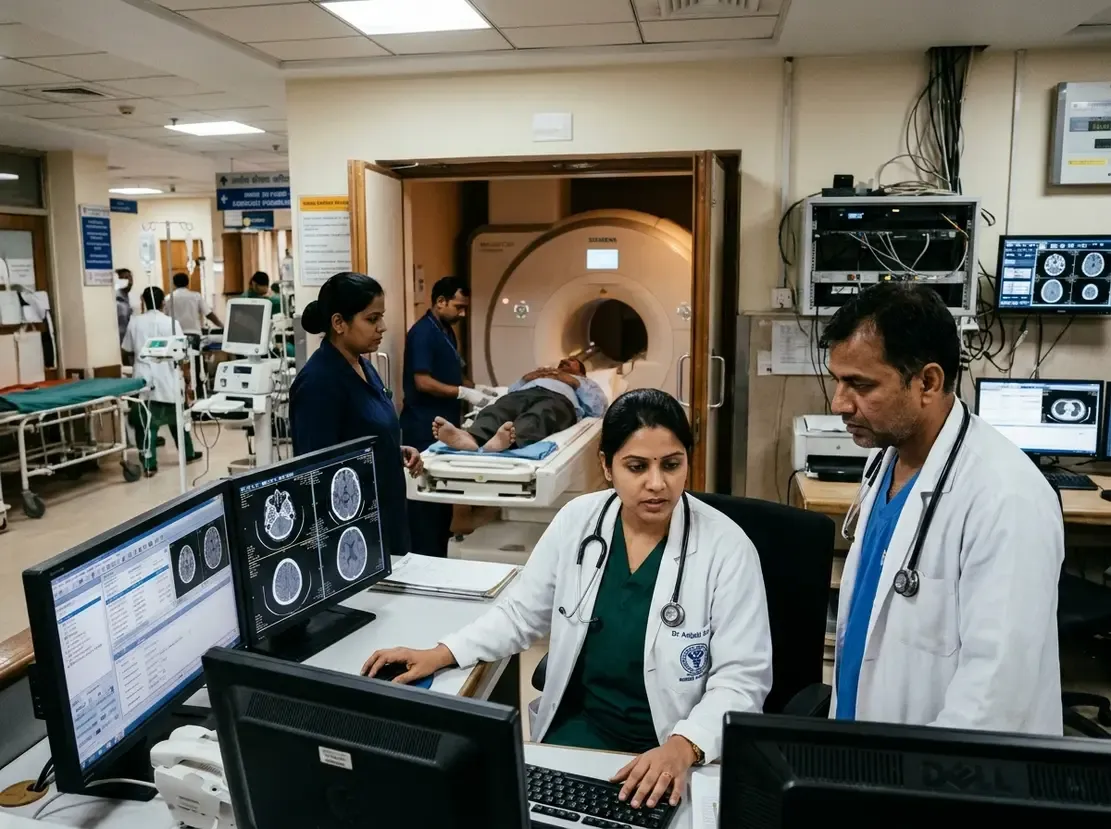
This steep escalation generates profound challenges for clinical efficiency, scanner throughput, and radiologist staffing. Round-the-clock emergency care requires prompt scan interpretation to prevent severe departmental crowding. Nevertheless, escalating work relative value units and continuous image volumes drive severe radiologist burnout. Unchecked scanning also increases cumulative medical radiation exposure and inflates overall healthcare expenditures. Therefore, hospital leaders must implement evidence-based imaging stewardship and clinical decision-support algorithms. Structured triage protocols help physicians identify patients who genuinely benefit from rapid cross-sectional evaluation. Moreover, adopting artificial intelligence for triage prioritization can streamline emergency reporting pipelines. Hospitals must balance rapid diagnostic accessibility with prudent resource utilization to preserve high-quality patient care.
Key Takeaways for Emergency Practice in India
Indian emergency departments encounter comparable pressures as advanced imaging infrastructure expands nationwide. Tertiary hospitals and trauma centers in India handle high patient volumes with constrained radiologist coverage at night. Hence, unmonitored escalation of advanced imaging risks overwhelming acute care workflows and delaying critical interventions. Indian clinicians should prioritize standardized clinical rules, such as Canadian CT Head Rules, before requesting emergent scans. Additionally, clinicians must consider bedside ultrasound as an initial radiation-free triage tool for acute abdominal pain. Establishing formal nighttime teleradiology networks ensures consistent round-the-clock diagnostic coverage without overburdening on-duty personnel. Ultimately, balanced diagnostic stewardship safeguards patient safety, reduces out-of-pocket costs, and preserves critical hospital resources. For practitioners looking to enhance their diagnostic capabilities, undertaking a certification course in clinical imaging can provide essential foundational expertise.
Frequently Asked Questions
Q1: Why is emergency CT and MRI utilization rising so rapidly?
Utilization rises due to an aging population, expanded scanner availability, defensive medical practices, and faster emergency medicine protocols that expedite emergency room triage.
Q2: Which radiology subspecialties experience the greatest emergency imaging demand?
Neuroradiology accounts for over 36 percent of the total increase, followed by body imaging at 29 percent, reflecting high volumes of suspected strokes, head trauma, and acute abdominal pain.
Q3: How can hospitals mitigate radiologist burnout from surging scan volumes?
Hospitals can implement robust clinical decision-support tools, integrate artificial intelligence triage software, expand night teleradiology services, and reinforce radiology specialty courses and imaging stewardship guidelines.
References
- Rai P et al. National Trends and Projections in Utilization of Emergency Department CT and MRI Across Radiology Subspecialties. AJR Am J Roentgenol. 2026 Nov 25. doi: 10.2214/AJR.26.36097. PMID: 43084267.
- Rosenkrantz AB, Cummings RW. CT Imaging Use in U.S. Emergency Departments: Trends from 2013 to 2023. Radiology. 2025;317(1):e250123.
- Griffith B, Peterson E, Myers DT, et al. Diagnostic Imaging Utilization in the Emergency Department: Recent Trends in Volume and Radiology Work Relative Value Units. J Am Coll Radiol. 2024;21(2):220-227.