How New Genetic Clues Can Transform Endometriosis Care
Endometriosis affects millions of women across India, yet patients frequently endure diagnostic delays of three to seven years. Therefore, groundbreaking research into endometriosis genetics offers a vital leap forward for clinical practice. Led by the Indian Council of Medical Research, a nationwide study identified 21 novel genetic regions linked to this condition. Consequently, clinicians now have preliminary population-specific biological clues that could accelerate detection and improve patient outcomes.
The Burden of Delayed Diagnosis in Indian Practice
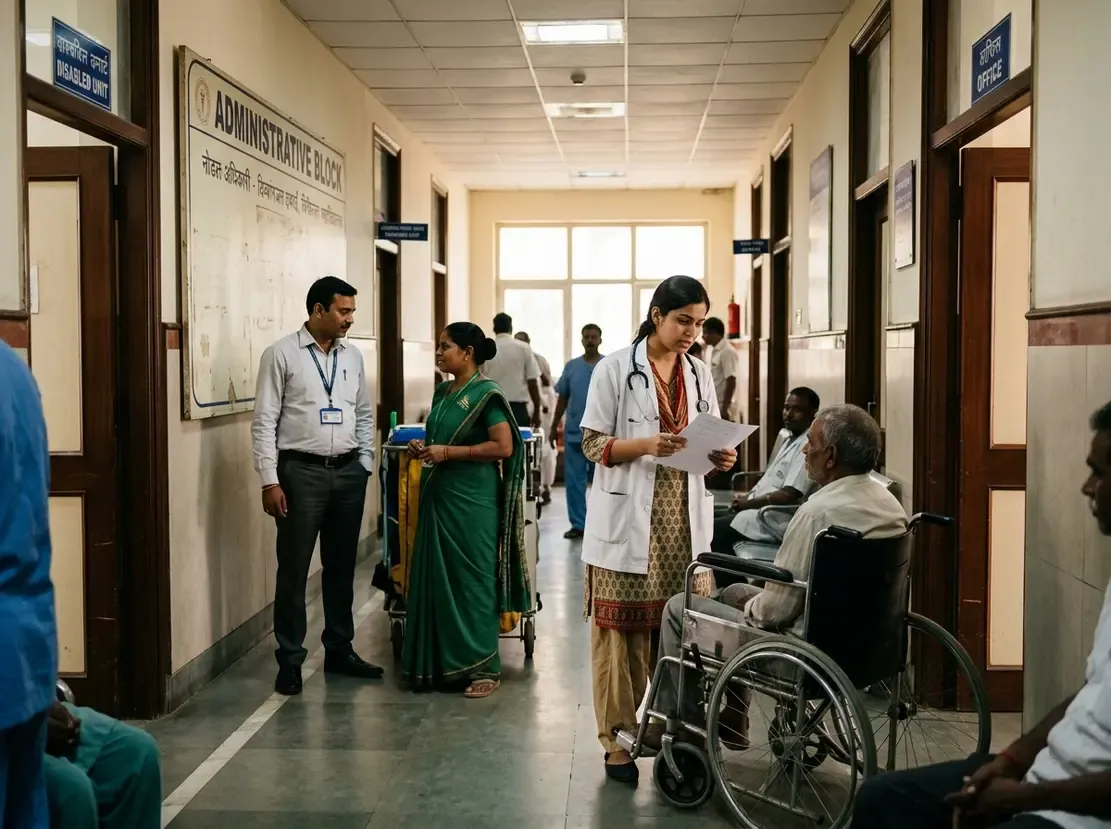
Presently, an estimated 50 million Indian women live with endometriosis. However, societal stigma and the normalization of dysmenorrhea frequently delay proper clinical evaluation. Patients often consult multiple physicians before receiving an accurate diagnosis. Moreover, advanced stages like Deep Infiltrative Endometriosis can involve the rectum, ureters, and sacral nerves. Thus, prompt clinical intervention remains essential to prevent permanent pelvic scarring and irreversible subfertility.
Uncovering Endometriosis Genetics in Indian Women
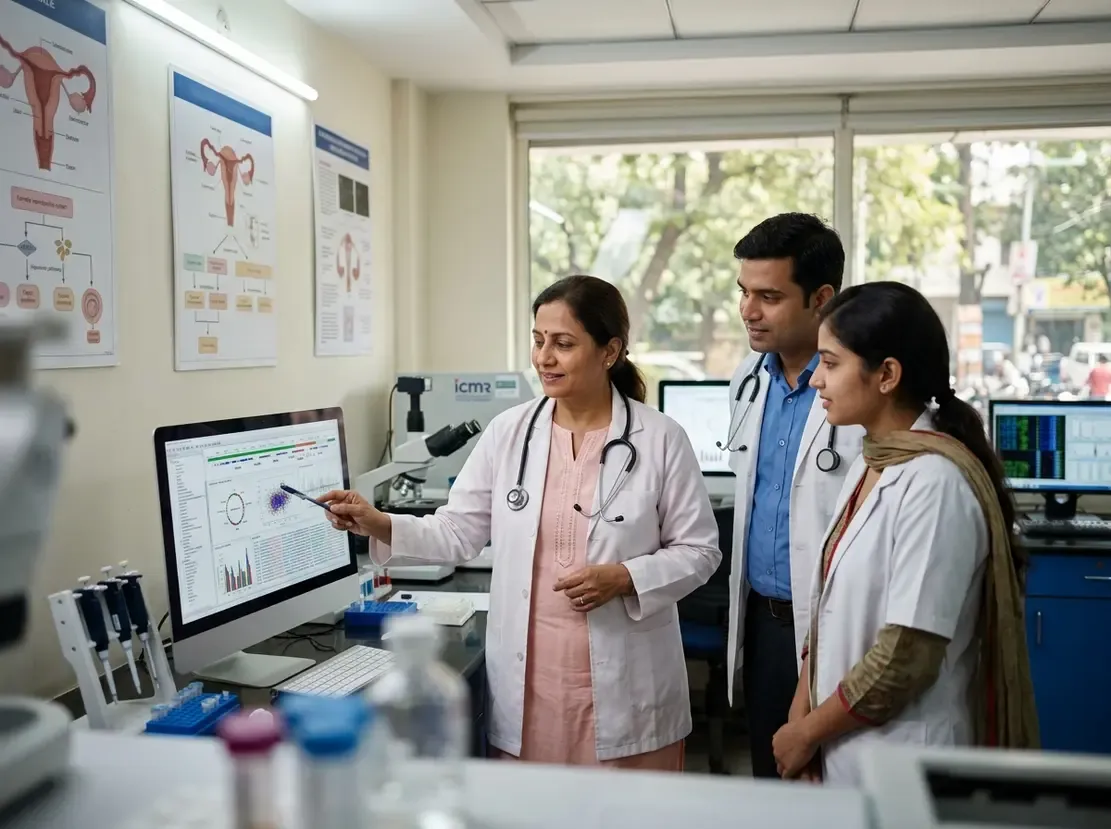
Historically, genomic datasets focused almost entirely on Caucasian cohorts. To address this disparity, researchers evaluated 2,523 Indian women across 18 public and private tertiary centres under the ECGRI initiative. The investigators discovered 21 suggestive genetic loci associated with the disease. In addition, the strongest statistical signal emerged on chromosome 13 near the SHISA2 locus. Because Indian women display distinctive population-specific variants, these findings provide a tailored blueprint for future molecular diagnostics.
Clinical Implications and Future Diagnostic Pathways
While these genetic discoveries require clinical validation, they establish a solid foundation for future risk stratification tools. Furthermore, AIIMS Jodhpur is establishing a dedicated Centre for Advanced Research for endometriosis. Consequently, integrating genomic markers with advanced transvaginal ultrasonography could significantly shorten the diagnostic timeline. In the future, personalized therapeutic strategies will help gynecologists manage severe cases much more effectively.
Frequently Asked Questions
Q1: Why is this Indian genetic study significant for clinical practice?
Most previous genomic data originated from Western populations, which overlook variations unique to South Asian women. Therefore, identifying 21 population-specific gene loci provides clinicians with localized biological evidence to improve early risk detection.
Q2: How does delayed diagnosis affect endometriosis prognosis?
A diagnostic delay of three to seven years allows ectopic endometrial tissue to infiltrate adjacent organs deeply. Consequently, patients face an elevated risk of chronic pelvic pain, organ damage, and irreversible infertility.
Q3: Can clinicians currently order genetic tests for endometriosis?
Currently, these findings represent research discoveries that require further validation. However, they establish the essential foundation for future polygenic risk score tools and non-invasive biomarker panels.
References
- Indian study finds 21 new gene types that could help diagnose endometriosisearlier - ETHealthworld
- Press Information Bureau (PIB). First Genome-Wide Study on Genetic Risk of Endometriosis in India Yields Key Insights. Ministry of Health and Family Welfare, Government of India.
- Scientific Reports (Springer Nature). Genome-wide association analysis of endometriosis in Indian women supports shared genetic susceptibility and suggestive population-specific signals.