Esophageal Cancer: Modern Clinical Insights and Care

Malignant disease of the esophagus presents substantial hurdles to modern medical practice globally. Indeed, esophageal cancer ranks as the thirteenth most common cancer and causes approximately half a million deaths worldwide every year. Although overall clinical management has advanced steadily, population-based five-year survival rarely exceeds twenty percent. Consequently, clinicians must recognize changing global epidemiologic trends and distinct histological presentations early to optimize therapeutic strategies.
Epidemiologic Patterns of Esophageal Cancer
The two principal histological types of the disease show starkly different geographical patterns. Specifically, esophageal adenocarcinoma incidence has risen significantly across Western nations over the past four decades. This dramatic rise predominantly affects White men with chronic gastroesophageal reflux and obesity. In contrast, esophageal squamous-cell carcinoma remains the predominant histologic form across most Asian and African populations. Furthermore, developing regions report heavy disease burdens linked closely to tobacco use, alcohol, and nutritional factors. Therefore, geographical exposure patterns heavily dictate patient risk profiles and necessary surveillance protocols.
Risk Factors and Diagnostic Approaches
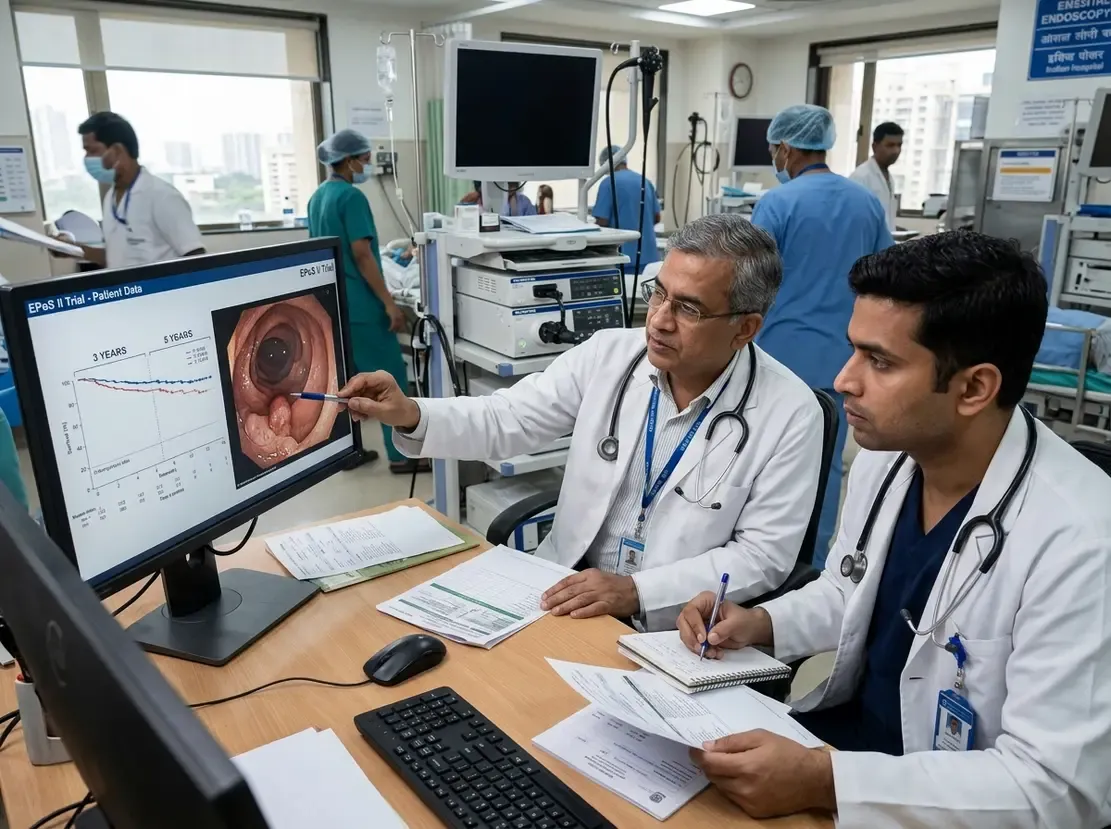
Identifying key etiologic factors allows physicians to implement focused screening strategies. For instance, chronic acid reflux and Barrett's esophagus serve as primary precursors for adenocarcinoma development. Conversely, tobacco consumption, betel quid chewing, and thermal mucosal injury drive squamous cell neoplastic transformation. Early mucosal changes rarely cause noticeable symptoms, so many individuals present with advanced dysphagia and weight loss. High-definition endoscopy with targeted biopsy provides the definitive standard for accurate diagnosis and staging, skills that are frequently refined through a certification course in endoscopy. Additionally, endoscopic ultrasound and cross-sectional computed tomography clearly define locoregional and distant spread.
Clinical Management and Therapeutic Pathways
Effective management requires a disciplined multidisciplinary approach tailored to disease stage. For localized disease, endoscopists can safely resect early superficial lesions via endoscopic submucosal dissection. However, locally advanced tumors generally require multimodal therapy integrating systemic chemotherapy, radiation, and surgical resection. Modern regimens incorporating immune checkpoint inhibitors have notably expanded therapeutic opportunities in advanced settings, forming a core component of training in clinical oncology. Hence, comprehensive staging directly guides clinicians toward optimal curative or palliative interventions.
Frequently Asked Questions
Q1: What are the two primary histological types of esophageal cancer?
Esophageal cancer mainly comprises adenocarcinoma and squamous-cell carcinoma. While adenocarcinoma dominates in Western countries, squamous-cell carcinoma remains the most common variant globally and in Asian populations.
Q2: Why does esophageal cancer have a low five-year survival rate?
Most patients do not develop symptoms until the tumor causes severe lumen obstruction or distant metastasis. Consequently, clinicians frequently diagnose patients at locally advanced or metastatic stages, which substantially reduces curative potential.
Q3: How do risk factors differ between the two major subtypes?
Gastroesophageal reflux disease and central obesity strongly predispose individuals to adenocarcinoma. In contrast, chronic exposure to tobacco, alcohol, and scalding beverages primarily increases the risk for squamous-cell carcinoma.
References
- Xie SH et al. Esophageal Cancer. N Engl J Med. 2026 Sep 17. doi: 10.1056/NEJMra2516631. PMID: 42748430.
- Deboever N et al. Advances in diagnosis and management of cancer of the esophagus. BMJ. 2024;385:e074962.
- Consensus Document on Management of Esophageal Cancer. Indian Council of Medical Research; 2020.