
Clinicians often encounter patients who experience vaginal bleeding during early gestation. Understanding the first-trimester bleeding risk helps in providing accurate counseling and effective management plans for these individuals. While this symptom frequently causes significant anxiety for the patient, recent evidence suggests that the presence of blood alone does not necessarily predict a pregnancy loss. Instead, physicians should focus their evaluation on the correlation between clinical history and diagnostic imaging results.
Assessing the First-Trimester Bleeding Risk
A large prospective cohort study recently analysed data from over 5,400 participants to clarify this common clinical scenario. This research found that 25% of women reported bleeding episodes during the first trimester of their pregnancy. Interestingly, the results showed that bleeding was not independently associated with a higher risk of miscarriage. The hazard ratio remained near 0.89, which suggests that many of these pregnancies proceed to term without further complications.
The Importance of Ultrasound Alignment
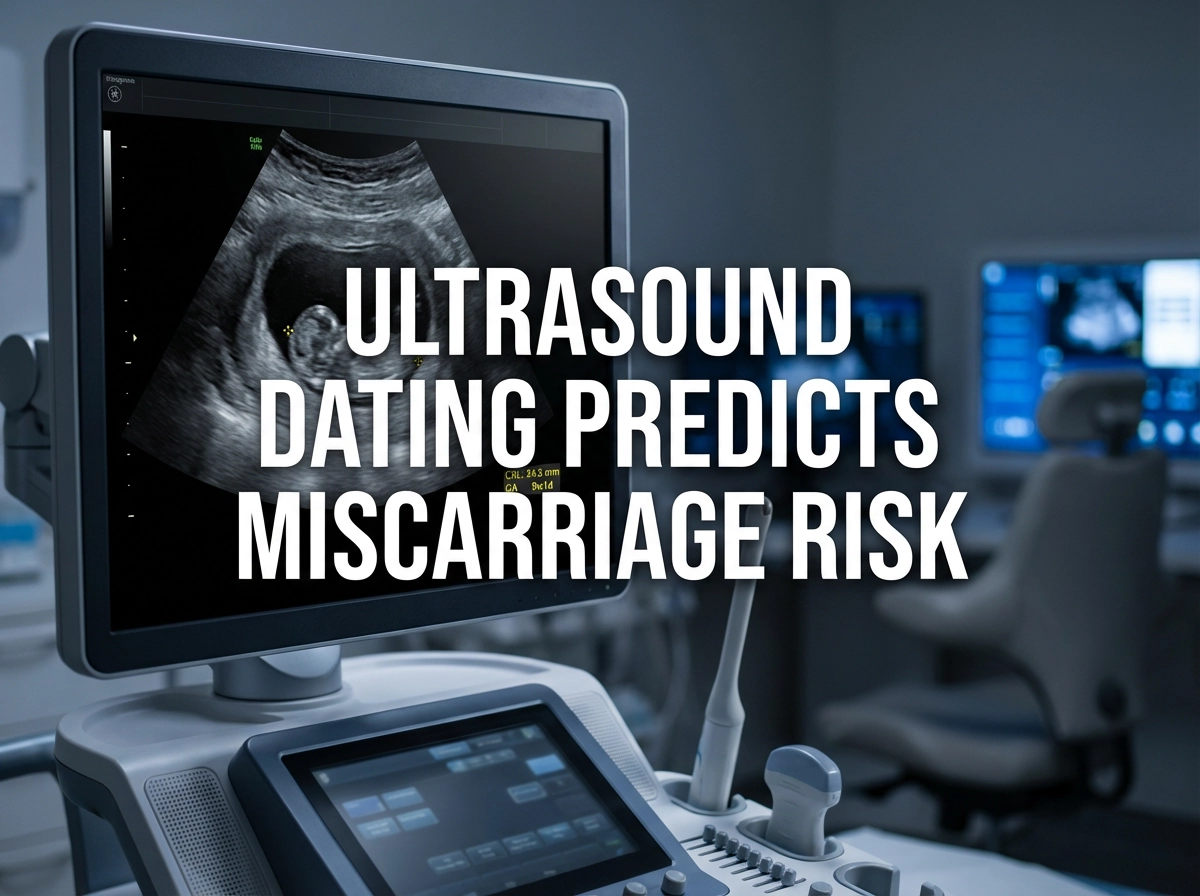
The risk profile changes significantly when ultrasound measurements do not align with the last menstrual period (LMP) dating. If the ultrasound measurements lag by more than 5 days behind the LMP, the risk of pregnancy loss increases nearly threefold. Therefore, a synchronous ultrasound provides the strongest grounds for patient reassurance in a clinical setting. Physicians in India should prioritize early scans to establish accurate dating for all symptomatic patients presenting with concerns.
Clinical Management and Reassurance
Effective communication remains vital when managing cases of threatened miscarriage in the outpatient setting. If the ultrasound confirms a viable pregnancy that matches the LMP dating, doctors can confidently reassure the patient. However, if a significant dating lag exists, the clinician must prepare the patient for potential complications or loss. This evidence-based approach reduces unnecessary panic while ensuring that high-risk cases receive appropriate monitoring and medical support throughout the remaining first trimester.
Frequently Asked Questions
Q1: Does bleeding in the first trimester always mean a miscarriage is imminent?
No, research indicates that bleeding alone is not necessarily associated with pregnancy loss, especially if the ultrasound dating matches the patient’s menstrual history.
Q2: When should a doctor be concerned about early pregnancy bleeding?
Concern is warranted if the ultrasound measurement lags more than 5 days behind the date calculated from the last menstrual period, as this indicates a higher risk.
References
- Sundermann AC et al. First-Trimester Bleeding and the Risk of Pregnancy Loss in a Prospective Cohort. Obstet Gynecol. 2026 Feb 19. doi: 10.1097/AOG.0000000000006202. PMID: 41712939.
- American College of Obstetricians and Gynecologists. Early Pregnancy Loss. Practice Bulletin No. 200. Obstet Gynecol. 2018.
- Shil A et al. A Study of Feto-Maternal Outcomes in First Trimester Bleeding Per Vaginum. Impact Factor. 2024.