
Introduction to Self-Management in Pregnancy
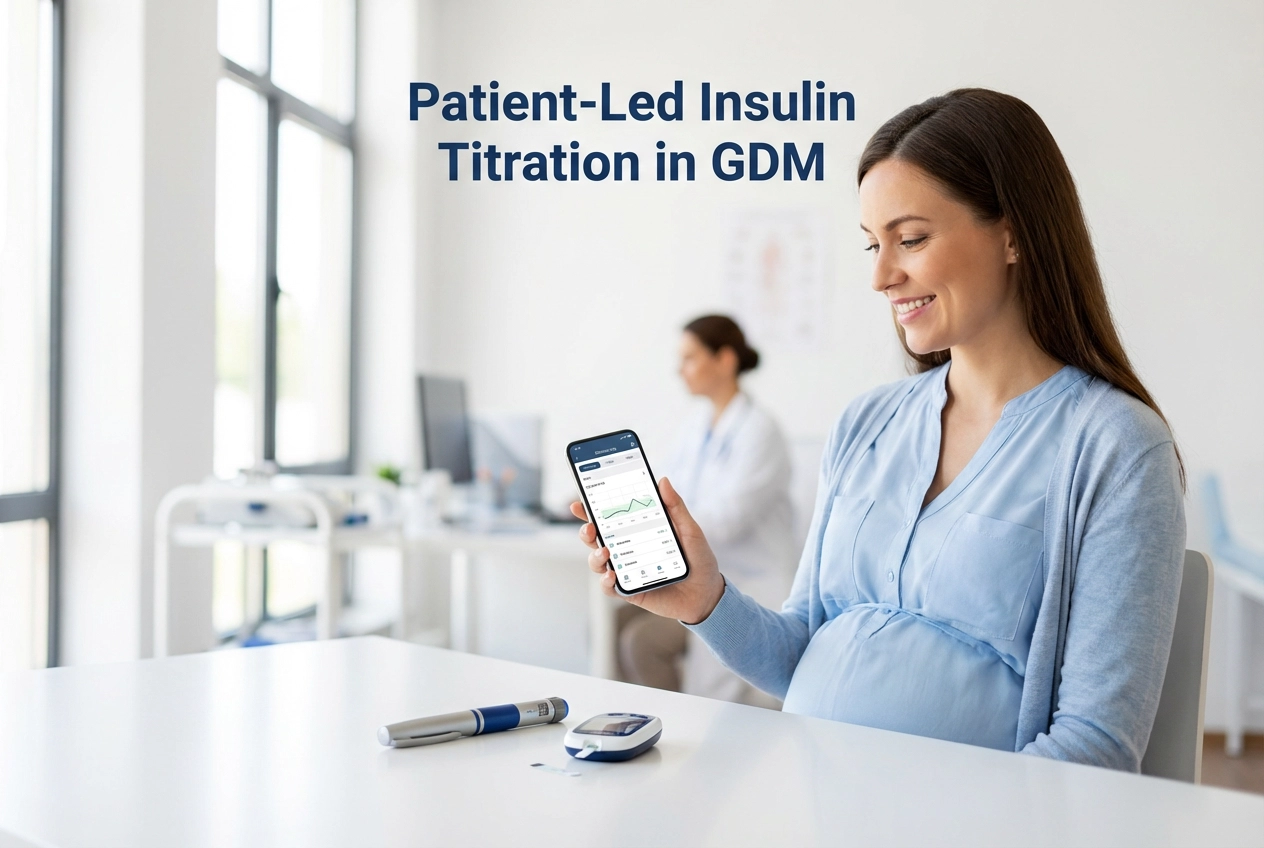
Gestational diabetes mellitus (GDM) often requires precise glucose management to prevent serious maternal and fetal complications. Specifically, GDM insulin titration helps mothers achieve target fasting glucose levels efficiently during the third trimester. A recent randomized controlled trial explored whether patients could safely manage their own insulin doses compared to traditional clinician-led care. This approach potentially transforms prenatal care by empowering the individual while simultaneously reducing clinical workload.
Researchers conducted the EMPOWER trial to evaluate the safety and efficacy of patient-led titration. The study involved participants requiring insulin between 20 and 32 weeks of gestation. Consequently, the intervention group adjusted their long-acting insulin based on daily fasting glucose readings according to a simple protocol. In contrast, the control group relied on weekly dose adjustments made at the discretion of their healthcare providers. This comparison aimed to determine if patient autonomy could improve glycemic achievement.
Clinical Outcomes of GDM Insulin Titration
The trial results showed that patient-led titration is highly effective and safe for managing blood sugar. Although both groups eventually reached similar mean fasting glucose levels, the patient-led group achieved control significantly faster. Specifically, these individuals reached their targets in 1.8 weeks compared to 2.5 weeks in the clinician-led group. Furthermore, the risk of macrosomia dropped from 37% to 6.9% with the self-titration method. Large-for-gestational-age (LGA) birth weights also decreased dramatically in the intervention group.
These findings are particularly relevant for high-volume clinical settings in India where GDM prevalence is rising. Empowering patients to adjust their doses safely can address the shortage of specialized diabetic educators and clinicians. However, successful implementation requires clear protocols, basic patient education, and consistent monitoring tools. This patient-centered strategy supports better neonatal health outcomes and streamlines prenatal care pathways for busy maternity units.
Frequently Asked Questions
Q1: Is it safe for pregnant women to adjust their own insulin doses?
Yes, the EMPOWER trial demonstrated that patient-led titration is safe. Participants followed a strict 2-unit adjustment protocol based on daily fasting glucose readings, which resulted in faster control without increasing the risk of severe hypoglycemia.
Q2: How does patient-led titration affect the baby’s birth weight?
The study found that patient-led titration significantly reduced the risk of macrosomia and large-for-gestational-age birth weight. This improvement is likely due to the more rapid achievement of glycemic targets compared to waiting for weekly clinician reviews.
Q3: Does this approach require more frequent clinic visits?
Actually, patient-led titration may reduce the need for frequent clinical consultations for dose adjustments. Since the patient manages daily changes based on a pre-approved algorithm, the clinician can focus on overall health and complication screening during scheduled visits.
References
- Wang XY et al. Patient-Led Insulin Titration for Glycemic Management With Gestational Diabetes Mellitus: A Randomized Controlled Trial. Obstet Gynecol. 2026 Feb 19. doi: 10.1097/AOG.0000000000006154. PMID: 41712937.
- Mayne CJ et al. Patient-led rapid titration of basal insulin in gestational diabetes is associated with improved glycaemic control and lower birthweight. Diabet Med. 2022 Oct;39(10):e14926. doi: 10.1111/dme.14926.
- Das S et al. The Challenges and Recommendations for Gestational Diabetes Mellitus Care in India: A Review. Front Endocrinol (Lausanne). 2017 Mar 23;8:56. doi: 10.3389/fendo.2017.00056.
“