
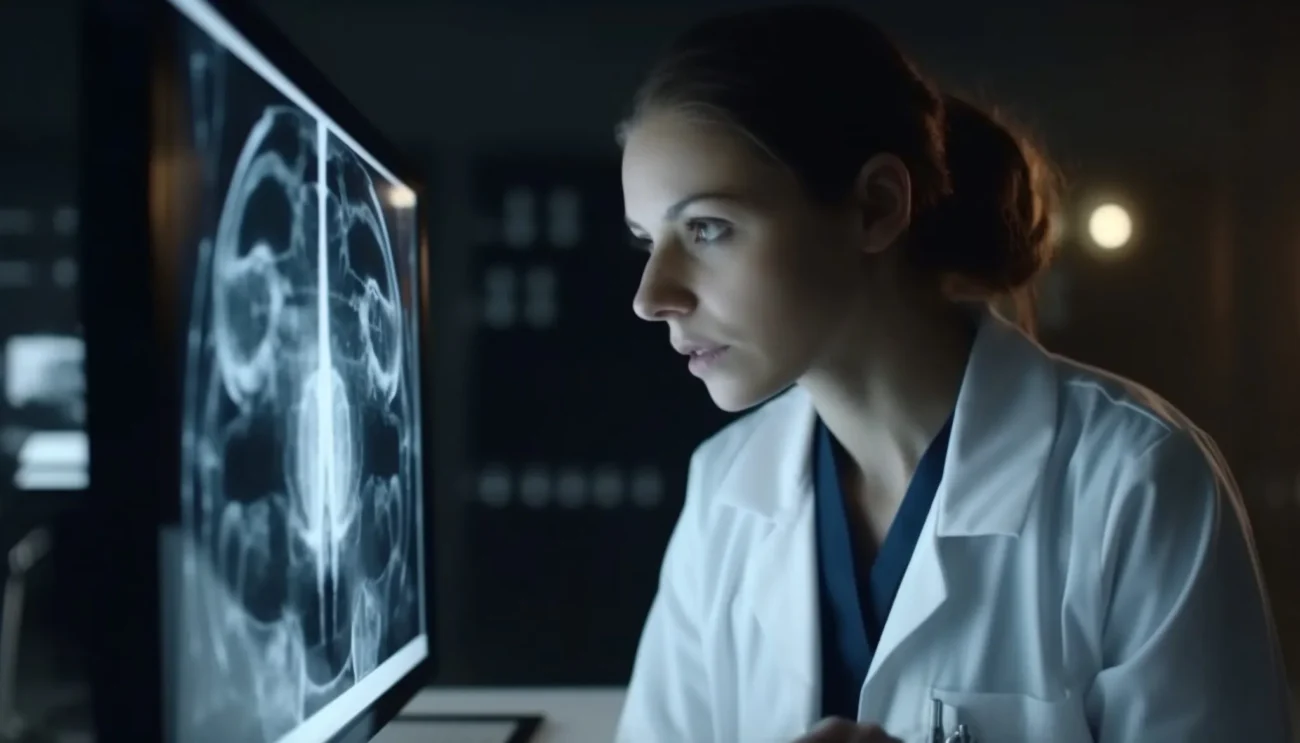
For many MBBS graduates in India, the early years of clinical exposure spark questions about long-term specialisation. Some pursue surgery, others internal medicine, while a growing number are drawn to the evolving field of diagnostic imaging. Radiology has emerged as a crucial medical speciality, combining clinical reasoning with technology to support faster, more accurate diagnoses. Its expanding relevance across healthcare systems makes it a compelling choice for doctors seeking both intellectual challenge and professional growth.
What is Radiology?
Radiology is a medical speciality dedicated to diagnosing and sometimes treating conditions using medical imaging technologies. These include X-rays, CT scans, MRI, ultrasound, and nuclear medicine. By interpreting these images, radiologists provide essential insights that guide clinical decisions across nearly all medical disciplines.
As technology advances, radiology continues to bridge the gap between clinical assessment and definitive diagnosis, making it one of the most dynamic and intellectually engaging fields in modern medicine.
Yet, the journey from MBBS to becoming a proficient radiologist is not always straightforward. With multiple options—MD, DNB, fellowships, certificate programmes, and international pathways—doctors often find themselves navigating a complex landscape.
If you’re wondering how to become a radiologist in India, this article offers a clear, step-by-step roadmap, covering traditional postgraduate routes, international pathways, and emerging academic support systems for Indian doctors.
Step 1: Clinical Foundation During MBBS
The initial step in the radiology career development for doctors starts with the development of good clinical basics during MBBS. This involves:
- Developing a deep understanding of anatomy and pathology
- Strengthening clinical correlation through case-based learning
- Gaining early exposure to imaging via electives or observerships, if available
While MBBS does not include in-depth radiology training, doctors who pay attention to radiological findings during clinical rounds or case presentations tend to transition more smoothly into formal imaging education later.
Step 2: Post-MBBS Options – Choosing the Right Route
After completing MBBS, Indian doctors typically consider the following postgraduate radiology programs in India:
A. MD in Radiology (3 years)
- Entry via NEET-PG
- Highly competitive, limited government and private seats
- Broad-based academic training with clinical rotations and reporting practice
B. DNB Radiology
- Conducted by the National Board of Examinations
- Recognised equivalent to MD
- Offered in hospitals across India
C. Diploma in Medical Radiodiagnosis (DMRD)
- Two-year programme
- This diploma in radiology after MBBS offers a structured introduction to diagnostic imaging. While it is less comprehensive than MD or DNB programmes, it remains a valid starting point for doctors seeking early entry into radiology practice.
For those who don’t secure a seat in the first attempt, many opt to continue clinical work or explore short-term, structured radiology courses after MBBS while preparing for entrance exams again. Short-term certificate courses, such as an Interventional Radiology Course or others tailored to specific interests, can help build a strong foundation in imaging and are well-suited for beginners seeking early clinical exposure in radiology.
Step 3: Exploring Parallel Learning Pathways
Not all medical careers follow a single, linear route, and radiology is no exception. While MD and DNB programmes remain the primary postgraduate qualifications, there are complementary learning options available for doctors at different stages of their careers.
For those who are still evaluating radiology as a potential specialisation or preparing for competitive exams, structured academic support can help build early momentum. Doctors practising in related fields such as emergency medicine or general practice may also benefit from acquiring diagnostic imaging skills that align with their clinical responsibilities.
Programmes offered by platforms such as OC Academy provide structured, flexible formats tailored for this purpose. Courses like the Neuroradiology Postgraduate Course offer advanced exposure to brain and spine imaging, reporting protocols, and case-based interpretation, helping doctors strengthen their diagnostic approach before, during, or after formal specialisation.
These pathways serve as valuable learning bridges that support long-term career goals and enhance clinical competence along the way.
Step 4: Acquisition of Specialisation through Advanced Training
As doctors progress through formal postgraduate programmes or supervised clinical roles, they begin to move beyond foundational theory and into the complexities of applied radiological interpretation. This phase generally consists of:
- Exposure to key imaging modalities such as X-ray, CT, MRI, ultrasound, and PET-CT
- Understanding modality-specific protocols and clinical applications
- Familiarity with structured reporting systems (e.g., BI-RADS, PI-RADS, LI-RADS)
- Ongoing mastery of cross-sectional anatomy through image-based clinical learning
While these areas are essential, radiology specialisation goes far beyond technical imaging alone. It also involves developing diagnostic reasoning, interdepartmental communication skills, understanding emerging technologies such as AI in imaging, and adapting to speciality-specific challenges.
As physicians continue with further training, they may investigate deeper clinical interest areas within radiology. Subspecialisation allows for focused skill development and closer alignment with specific clinical departments. Some common subspecialties are:
- Neuroradiology
- Musculoskeletal imaging
- Interventional radiology
- Paediatric radiology
These are just a few of the established subspecialities within radiology, with many other emerging focus areas also contributing to the ongoing growth and complexity.
For aiding this advancement, OC Academy offers organised certificate courses, postgraduate programmes, and fellowships designed to complement ongoing clinical work. These programmes provide guided exposure to advanced imaging domains, reinforce diagnostic consistency, and encourage alignment with globally followed practices.
Step 5: Preparing for International Radiology Credentials
For Indian doctors aiming to practise internationally or engage in teleradiology, qualifications such as FRCR (UK), EDiR (Europe), and RANZCR (Australia) can be significant career milestones. Preparations for these examinations generally entail:
- In-depth theoretical and conceptual knowledge
- Structured exposure to case-based image interpretation
- Familiarity with international reporting styles and classification systems
While these certifications are not mandatory for clinical practice in India, they are widely recognised and often valued for roles in cross-border hospital practice, teleradiology, clinical research, and academic radiology.
To support this pathway, OC Academy offers preparatory programmes, including the Fellowship in Radiology with FRCR Training, that align with international exam formats. These programmes provide image-based modules, structured reporting practice, and expert mentoring designed to help doctors build the competence needed for qualifications like the FRCR.
Step 6: Transition to Independent Practice or Academic Roles
The final stage involves consolidating learning into clinical practice. Radiologists who have completed postgraduate education or equivalent training may choose to:
- Work in hospitals, diagnostic centres, or teleradiology services
- Set up their own imaging clinic (often after gaining a few years of experience)
- Pursue teaching, research, or fellowship opportunities
At this point, ongoing learning becomes essential. New technologies, AI in imaging, and evolving reporting standards demand continuous professional development.
How OC Academy Supports Doctors at Every Step
OC Academy serves as a trusted educational partner for doctors navigating their radiology career path. Designed to complement formal postgraduate pathways, it provides meaningful academic support through:
- Flexible, self-paced radiology courses designed to fit around clinical responsibilities
- Curriculum-aligned learning based on radiology practices recognised globally
- Subspeciality-focused modules in areas such as neuroradiology, musculoskeletal radiology, and more
- FRCR-aligned preparatory pathways through the Fellowship in Radiology with FRCR Training
- Case-based learning formats that help doctors apply imaging principles to real-world diagnostic scenarios
All programmes are developed in collaboration with internationally recognised institutions, ensuring both credibility and clinical relevance. Through a combination of clinical insight, academic rigour, and structured content delivery, OC Academy supports doctors in progressing confidently from foundational exposure to advanced radiological competence.
Conclusion
Radiology offers a compelling blend of clinical depth and technological advancement, making it a highly sought-after speciality for MBBS graduates planning their next steps. Whether the goal is to work in diagnostic centres, engage in teleradiology, pursue academic roles, or qualify for global credentials, a structured and well-informed approach is essential.
Each stage in the radiology career path, from foundational learning to subspeciality training, brings unique opportunities to build diagnostic accuracy, reporting expertise, and interdisciplinary collaboration skills. Exploring a well-curated radiology course, especially one that aligns with current clinical practices and international standards, can help doctors navigate this journey more effectively.
With flexible formats, case-based learning, and academic collaborations, OC Academy supports doctors at every phase of their progression, serving as a valuable companion in developing radiology expertise and confidence for the future.
FAQs
1. What is the best way to start a career in radiology after MBBS?
Doctors can begin by building a strong foundation in anatomy, pathology, and clinical correlation during MBBS. Post-MBBS, options such as MD, DNB, or diploma programmes offer formal entry into radiology, while certificate courses may provide early exposure and skill development.
2. Are there alternative pathways to become proficient in radiology without an MD or DNB?
Yes, while MD and DNB remain the primary postgraduate routes, some doctors enhance their skills through structured certification courses, fellowships, or international training programmes. Options such as those offered by OC Academy can support diagnostic learning alongside clinical work or serve as a foundation for future specialisation.
3. How long does it take to become a radiologist in India?
The duration varies depending on the chosen pathway. MD and DNB programmes typically take three years. Additional learning through certificate courses, fellowships, or exam preparation may add time, based on the doctor’s individual goals and pace.
4. Can online radiology courses help in preparing for global exams like FRCR?
Online radiology courses that align with international curricula can offer structured academic support, particularly in areas like image interpretation and reporting systems. These may assist doctors preparing for qualifications such as the FRCR, though further preparation is often needed.
5. What are the career opportunities after completing a radiology course?
Career options include working in hospitals, diagnostic imaging centres, teleradiology, academia, and research. Some doctors also pursue roles in subspecialities like interventional or paediatric radiology, depending on their interests and further training.