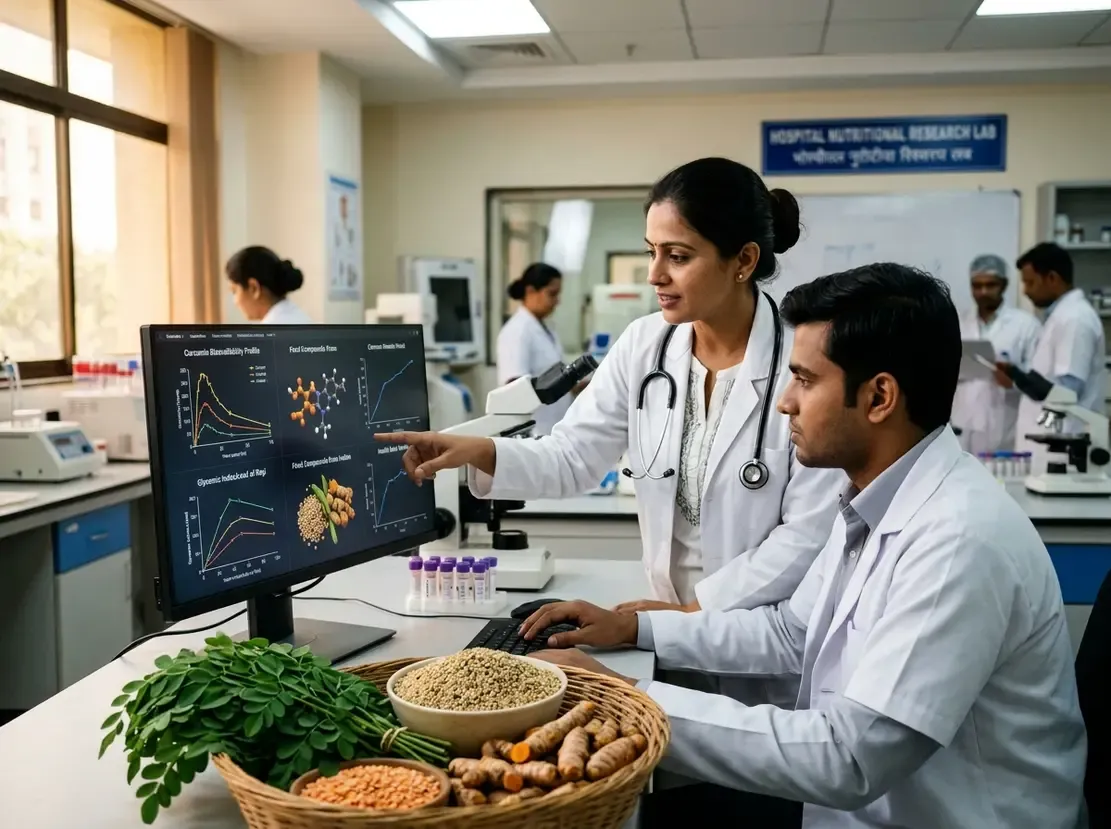
Optimizing Patient Nutrition and Muscle on GLP-1 Therapy
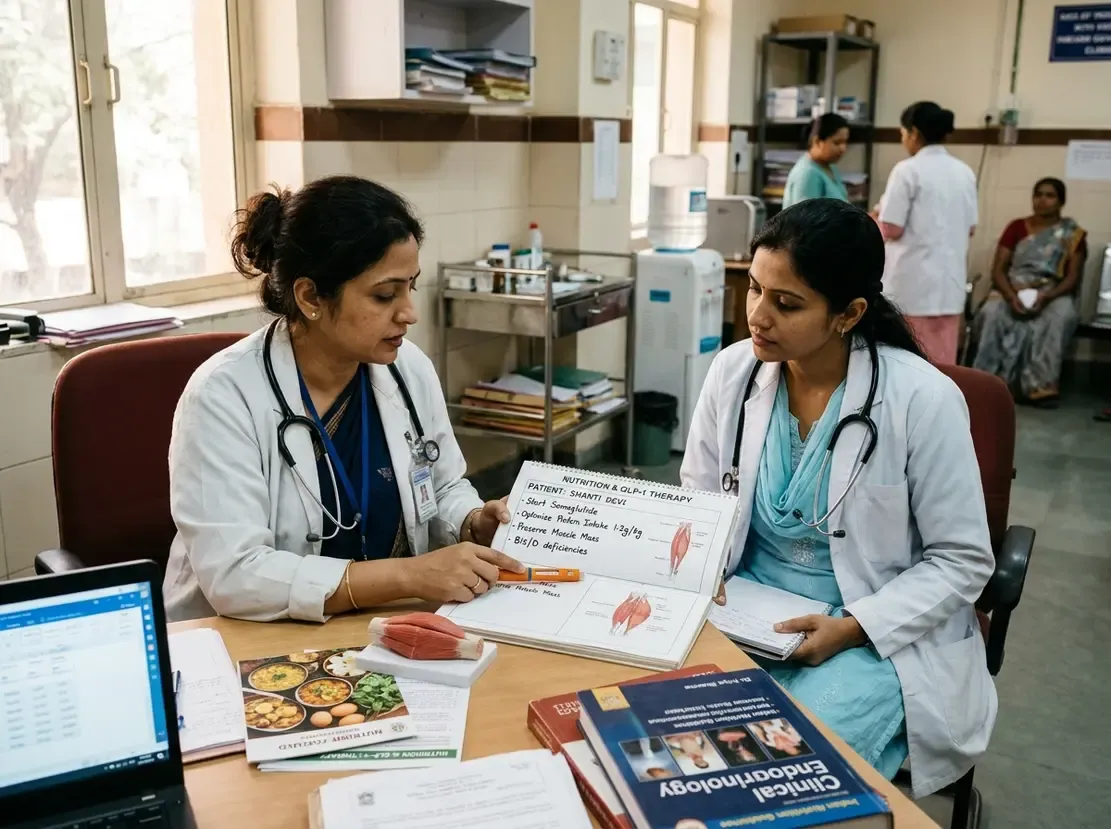
Glucagon-like peptide-1 receptor agonists have revolutionized the management of type 2 diabetes and obesity across India. However, achieving successful metabolic outcomes requires clinicians to prioritize GLP-1 nutritional adequacy. While these therapies effectively suppress appetite, reduced food consumption frequently causes unintended nutrient gaps. Consequently, clinicians must actively evaluate what their patients consume during rapid weight reduction.
Why Appetite Suppression Threatens Micronutrient Intake
Clinical evidence indicates that caloric intake decreases by 16% to 39% during GLP-based therapy. As a result, patients inadvertently lower their consumption of essential vitamins and minerals. Retrospective analyses show that nutritional deficiencies emerge in 12.7% of patients at six months. Moreover, this rate climbs to 22.4% after twelve months of continuous therapy. Vitamin D deficiency notably increases from 7.5% to 13.6% over this timeframe. Additionally, approximately 60% of individuals consume lower levels of calcium and iron than national guidelines recommend. Therefore, dietary quality must improve when overall meal volume shrinks.
Protecting Lean Muscle Mass in Asian Indian Patients
Preserving functional muscle mass represents a critical priority during pharmacological weight reduction. Asian Indians naturally present with a distinct thin-fat phenotype, carrying lower lean muscle mass alongside visceral adiposity. Consequently, sarcopenia affects between 14.2% and 39.2% of Indian adults with malnutrition or obesity. In addition, inadequate intake of protein, vitamin D, and calcium accelerates muscle loss and compromises functional strength. To counter this catabolic state, experts recommend a daily protein intake of 1.2 to 1.5 grams per kilogram. Clinicians should encourage high-quality protein sources, including paneer, tofu, lentils, eggs, and lean meats. Furthermore, combining adequate protein with progressive resistance training maintains functional strength.
Ensuring GLP-1 Nutritional Adequacy in Clinical Practice
Managing therapy requires proactive nutritional strategies, particularly because gastrointestinal adverse events affect 40% to 70% of patients. Nausea, vomiting, and constipation often impair the ability to eat regular balanced meals. Hence, physicians should advise patients to divide their daily nourishment into four to five smaller meals. Eating slowly, maintaining vigorous hydration, and incrementally raising dietary fibre alleviate persistent gastrointestinal distress. For carbohydrates, patients should choose low-glycaemic options such as whole millets, legumes, and oats. In addition, healthy monounsaturated fats from mustard, groundnut, and olive oils supply sustained energy without adding excess volume.
The Role of Diabetes-Specific Nutrition Formulations
When regular food intake remains inadequate, diabetes-specific nutrition formulations provide a balanced therapeutic solution. These specialised formulations differ significantly from standard protein powders by delivering comprehensive macro- and micronutrients in a compact volume. Specifically, an optimal formulation contains 15% to 25% high-quality protein, 45% to 60% complex carbohydrates, and 15% to 30% healthy fats. Moreover, they deliver essential micronutrients, including vitamin D, B-complex vitamins, zinc, chromium, and magnesium. Clinicians may recommend these formulations as partial meal replacements, prescribing one to two daily servings. Therefore, structured supplementation effectively bridges the gap between restricted appetite and physiological nutrient demands for practitioners specializing in diabetes and metabolic disorder care.
Frequently Asked Questions
Q1: Why is sarcopenia a significant concern for Indian patients receiving GLP-1 therapies?
Asian Indians frequently exhibit a thin-fat phenotype with higher visceral adiposity and lower baseline muscle mass. Furthermore, GLP-1 medications reduce overall appetite and protein consumption, which triggers muscle protein breakdown and impairs functional physical strength.
Q2: What daily protein target should clinicians recommend during active weight reduction?
Clinical consensus guidelines recommend targeting 1.2 to 1.5 grams of protein per kilogram of body weight each day. Consequently, patients should incorporate nutrient-dense protein sources such as pulses, paneer, tofu, eggs, and lean meats at every meal.
Q3: How do diabetes-specific nutrition formulations support nutritional adequacy?
These formulas supply calibrated ratios of intact protein, low-glycaemic complex carbohydrates, and heart-healthy fats in a low-volume format. Therefore, they allow patients experiencing severe satiety or nausea to fulfill their daily micronutrient and macronutrient requirements effortlessly through advanced endocrine and metabolic management.
References
- When Appetite Falls, Nutrition Matters More: Rethinking Nutritional AdequacyDuring GLP-1 Therapy - ETHealthworld
- Nutritional considerations for glucagon-like peptide-based therapies: An Asian Indian consensus recommendation - Obesity Pillars
- Preserving Nutrition During GLP-1 Treatment - Obesity Medicine Association