Gut Microbiome Interventions: Balancing Science and Care

The Clinical Imperative for Gut Microbiome Interventions
The rapid commercialisation of wellness products creates urgent clinical questions around gut microbiome interventions. Recently, at the ETHealthworld Nutriwell Conclave, medical experts addressed the gap between clinical evidence and market hype. However, rampant over-the-counter marketing often misleads patients toward unnecessary supplements. Therefore, healthcare professionals must steer patients toward validated, personalized strategies. Unregulated dietary products rarely replace solid medical guidance and diagnostic rigor.
A Food-First Strategy Over Probiotic Polypharmacy
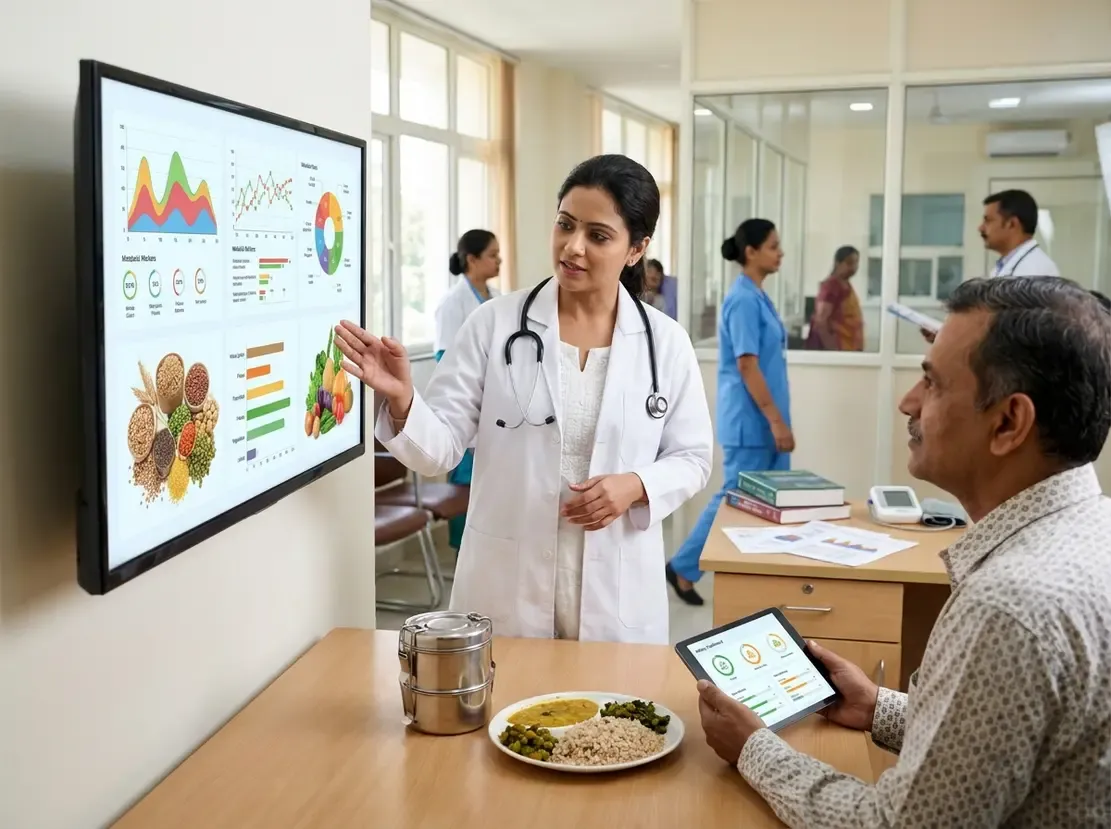
Clinical nutritionists advocate a food-first paradigm before considering microbial supplements. Specifically, patients benefit most from dietary diversity, adequate fiber, and traditional fermented foods. Dr. Manjari Chandra cautioned against the indiscriminate use of probiotics and psychobiotics. Furthermore, unguided probiotic intake may alter the gut ecosystem without addressing underlying pathology. In contrast, indigenous whole foods naturally supply diverse prebiotics and active fermentative substrates. Consequently, clinicians should identify primary dietary triggers before recommending commercial formulations, which forms an essential part of general practice.
The Gut-Brain Axis and Healthy Ageing
Emerging research confirms that the gut-brain axis significantly influences systemic ageing. For instance, geriatric specialists note links between gut microbial balance, muscle preservation, and cognitive function. Dr. Prasun Chatterjee highlighted lifestyle modifications as primary tools for geriatric resilience. Moreover, clinicians should reserve microbiome sequencing tests for specific diagnostic indications. Thus, clinical management must emphasize exercise, balanced nutrition, and restorative sleep over costly commercial testing.
Strengthening Evidence-Based Gut Microbiome Interventions
Industry stakeholders and clinicians must collaborate to foster transparent communication. Additionally, public health frameworks should improve broad access to affordable, nutrient-dense foods. Responsible marketing must align with robust clinical trials to protect vulnerable consumers. Ultimately, evidence-based gut microbiome interventions require rigorous scientific validation and compassionate medical stewardship.
Frequently Asked Questions
Q1: Should doctors routinely recommend gut microbiome sequencing tests?
Routine microbiome tests lack standard reference ranges for asymptomatic patients. Therefore, physicians should reserve comprehensive microbiome testing for specific clinical indications.
Q2: Why is a food-first approach superior to probiotic supplements?
Diverse whole foods deliver broad nutrients, insoluble fiber, and prebiotic substrates naturally. In contrast, commercial supplements deliver limited strains that may not colonize the host gut effectively.
Q3: How does the gut microbiome influence cognitive longevity?
Gut bacteria produce essential metabolites that modulate neuroinflammation along the vagus nerve. Consequently, maintaining a healthy gut microbiome supports cognitive clarity and healthy physical ageing.
References
- Rising interest in gut health calls for evidence-based interventions, consumerawareness: Experts - ETHealthworld
- Ghosh TS, Valdes AM. Evidence for clinical interventions targeting the gut microbiome in cardiometabolic disease. BMJ. 2023;383:e075180.
- Sharma VK, et al. The largest gut microbiome study of the Indian population reveals microbial composition is both region- and diet-specific. Gut Microbiota for Health. 2019.