
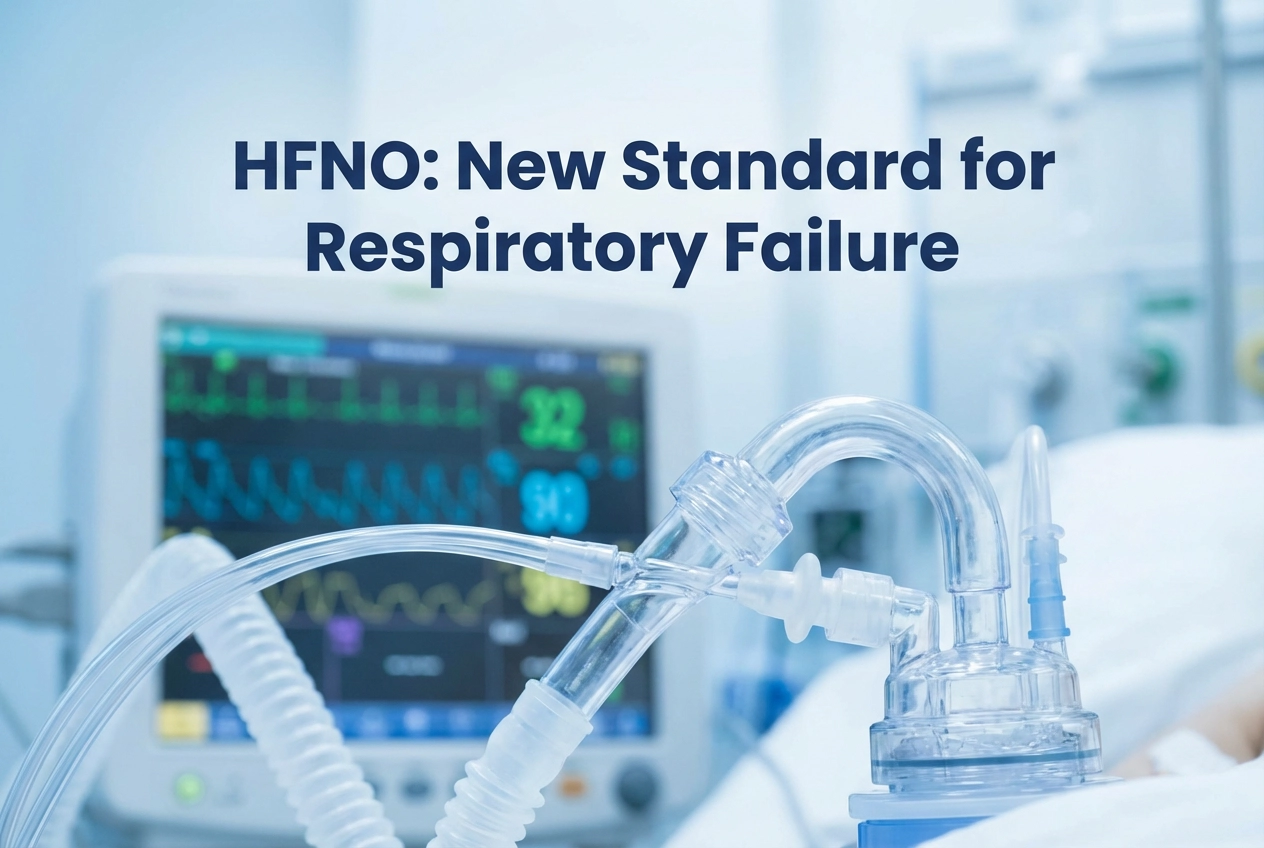
Clinicians often utilize high-flow nasal oxygen to treat patients suffering from acute hypoxemic respiratory failure. This advanced therapy delivers heated and humidified oxygen at high flow rates. Consequently, many experts believed it might reduce mortality compared to standard oxygen masks. However, the recent SOHO trial provides new evidence that challenges this assumption.
Study Results for High-flow Nasal Oxygen
The multicenter trial randomized over 1,100 patients with severe respiratory distress. Each participant exhibited pulmonary infiltrates and a respiratory rate exceeding 25 breaths per minute. Notably, researchers found that mortality at day 28 was identical at 14.6% in both study groups. Therefore, the primary outcome did not show a survival benefit for patients receiving high-flow therapy. Furthermore, the statistical analysis confirmed a P-value of 0.98. This result suggests that both oxygenation strategies lead to similar survival rates in this population.
Intubation Rates and Clinical Implications
While mortality stayed the same, other clinical factors showed a different trend. The incidence of intubation by day 28 reached 42.4% in the high-flow group compared to 48.4% with standard oxygen. Consequently, high-flow nasal oxygen may help some patients avoid invasive mechanical ventilation. However, clinicians must remain cautious about serious adverse events. For instance, cardiac arrest or pneumothorax occurred more frequently during spontaneous breathing in the high-flow group. Therefore, medical teams should monitor patients closely regardless of the oxygen delivery method used.
Adapting Practices for Indian Physicians
Indian healthcare settings often face high patient loads and limited ventilator availability. Because high-flow therapy might reduce the need for intubation, it remains a valuable tool in the ICU. Moreover, the ease of use and patient comfort make it a preferred choice for many intensivists. Nevertheless, doctors must recognize that it does not offer a mortality advantage over standard masks. Thus, the choice of therapy should depend on individual patient needs and resource availability. Furthermore, prioritizing early detection of treatment failure is essential for patient safety.
Frequently Asked Questions
Q1: Does high-flow nasal oxygen reduce the risk of death in respiratory failure?
No, the SOHO trial demonstrated that 28-day mortality was 14.6% for both high-flow and standard oxygen therapy.
Q2: Can high-flow nasal oxygen prevent the need for intubation?
Yes, the trial observed a lower intubation rate of 42.4% in the high-flow group compared to 48.4% in the standard oxygen group.
Q3: Were there more complications with high-flow oxygen?
Serious adverse events like cardiac arrest occurred in 2.3% of the high-flow group versus 1.1% in the standard oxygen group.
References
- Frat JP et al. High-Flow or Standard Oxygen in Acute Hypoxemic Respiratory Failure. N Engl J Med. 2026 Mar 17. doi: 10.1056/NEJMoa2516087. PMID: 41841715.
- Frat JP et al. High-flow oxygen through nasal cannula in acute hypoxemic respiratory failure. N Engl J Med. 2015;372(23):2185-96.
- Rochwerg B et al. High-flow nasal cannula for acute hypoxemic respiratory failure: a clinical practice guideline. Intensive Care Med. 2020;46(12):2247-2259.