
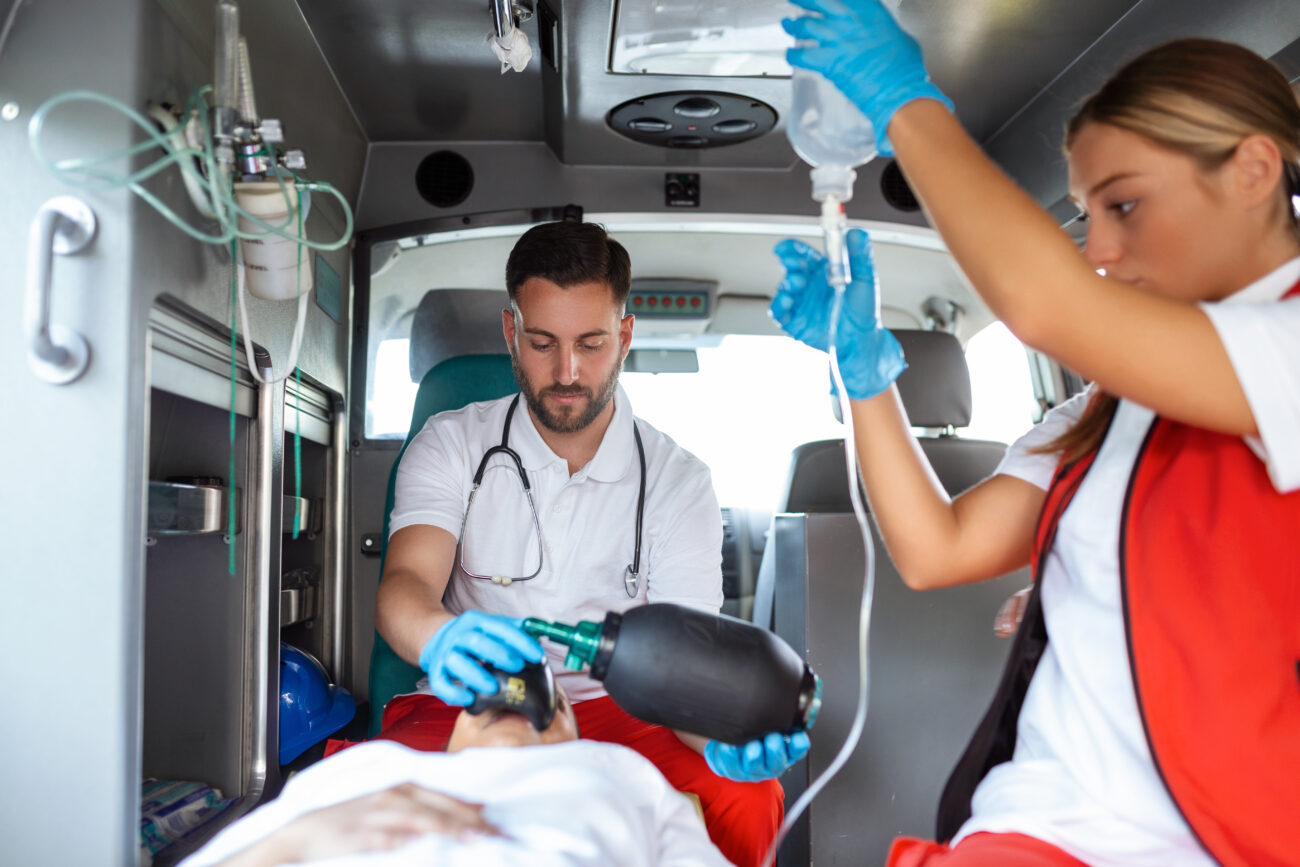
Emergency Medicine (EM) is no longer a niche or transitional speciality—it is increasingly recognised as a robust clinical domain that develops a wide array of foundational skills. For MBBS and MD doctors in India, EM offers not just a defined career track but also a springboard into multiple high-demand medical fields, including surgery, anaesthesia, critical care, and trauma medicine.
What sets EM apart is its unique positioning at the intersection of urgent clinical intervention, procedural agility, and multidisciplinary collaboration. For doctors seeking to build strong cross-speciality competencies or future-proof their careers, Emergency Medicine is both a launchpad and a long-term asset.
Why Emergency Medicine Forms a Strong Clinical Base
Emergency Medicine exposes doctors to the broadest range of undifferentiated cases in real time. Unlike specialities that deal with pre-diagnosed or referral patients, EM physicians often serve as the first point of contact for trauma victims, cardiac arrests, respiratory distress, sepsis, poisoning, and multi-system failures. This demands a high degree of diagnostic efficiency, procedural skill, and clinical judgment—often under immense time pressure.
Core Skills Developed in Emergency Medicine:
- Rapid Assessment and Decision-Making: EM trains doctors to quickly triage, stabilise, and initiate treatment protocols for critically ill patients—skills that are equally vital in surgery and intensive care.
- Procedural Competence: Doctors gain proficiency in essential life-saving procedures such as airway management, central venous access, thoracostomy, pericardiocentesis, and fracture stabilisation.
- Resuscitation and Crisis Management: Emergency physicians are well-versed in ACLS, ATLS, and PALS protocols, making them versatile contributors to trauma and critical care teams.
- Diagnostic Breadth: Exposure to a vast case mix enables mastery over differential diagnoses across systems—neurological, cardiovascular, gastrointestinal, and beyond.
- Team Leadership in High-Stakes Environments: EM sharpens interdepartmental coordination and clinical communication, preparing doctors to lead code teams and coordinate with surgeons, anaesthetists, intensivists, and nursing staff.
This broad spectrum of competencies makes Emergency Medicine an ideal foundation for doctors interested in multi-speciality training or future transition into subspecialties.
EM as a Gateway to Multi-speciality Training
One of the most practical benefits of Emergency Medicine is its compatibility with adjacent specialities. Whether a doctor intends to specialise further or build an interdisciplinary career, EM creates a flexible clinical base that aligns with multiple domains.
1. Critical Care and ICU Medicine
The overlap between EM and critical care is significant. Many of the acute presentations seen in the emergency department require seamless handover to ICU teams. Doctors trained in EM already possess the skill set required to manage ventilators, vasopressors, and haemodynamic instability, making them natural candidates for additional training in critical care.
Some physicians pursue dual pathways—EM followed by a fellowship in Intensive Care Medicine (ICM) or a PG in critical care—to position themselves as hybrid specialists capable of managing patients across both front-door and inpatient settings.
2. Anaesthesia and Perioperative Medicine
Emergency physicians regularly engage in rapid airway management and sedation for painful procedures—skills central to anaesthesia. Those who wish to transition into perioperative roles often find their EM background gives them an advantage, particularly in handling airway crises and resuscitation scenarios during surgeries.
For doctors seeking a deeper clinical role in emergency care before diversifying further, enrolling in a structured Fellowship in Emergency Medicine offers a hands-on route to sharpen advanced competencies across trauma, airway, and critical care scenarios.
3. Trauma and Surgical Emergencies
Trauma management is a central pillar of EM training. From managing open fractures to penetrating injuries and polytrauma, EM physicians develop a strong grasp of surgical triage and stabilisation. This makes EM an excellent preparatory field for doctors planning to pursue general surgery, orthopaedics, or trauma-focused subspecialties.
Moreover, EM physicians who undertake rotations in surgical departments often find themselves better equipped for operating theatre teamwork and perioperative patient care.
4. Internal Medicine and Acute Care Subspecialties
While EM is acute by nature, its overlap with internal medicine cannot be overstated. Physicians routinely handle myocardial infarctions, diabetic ketoacidosis, sepsis, hepatic encephalopathy, and acute exacerbations of chronic illnesses. This equips them with a clinical framework that facilitates a smooth transition into acute internal medicine or specialities like nephrology, pulmonology, and infectious disease, and even allows for focused sub-specialisation through structured options like a Diploma in Paediatric Emergency Medicine.
Emergency Medicine for Diverse Practice Settings
Another defining feature of EM is its adaptability across different clinical environments. Whether working in high-volume urban hospitals, district health centres, or air ambulance services, the skillset remains universally relevant.
In India, this flexibility is particularly valuable in tier-2 and rural healthcare systems, where EM-trained doctors often double as primary stabilisation units in the absence of subspecialists. For doctors with a public health orientation or interest in systems-level impact, EM offers a powerful platform to improve outcomes through triage, protocol development, and emergency preparedness.
EM and the Rise of Cross-Speciality Competencies
As healthcare systems become increasingly integrated, the ability to function across domains is gaining currency. Hospitals now seek clinicians who are not only clinically competent but also adaptable to various workflows, be it surgical emergencies, infectious outbreaks, or mass casualty events.
Emergency physicians fit this mould perfectly. Their cross-speciality competencies make them valuable members of:
- Code blue and rapid response teams
- Trauma committees
- Critical care outreach services
- Disaster management task forces
These roles go beyond clinical care, positioning EM-trained doctors for leadership in hospital operations, protocol standardisation, and interdepartmental collaboration.
Upskilling Through Structured Emergency Medicine Training
To truly harness the benefits of EM, structured learning, such as a recognised Certificate Course in Emergency Medicine, offers a concise yet foundational pathway to build core clinical skills. Informal exposure during internships or postings provides limited depth. Instead, targeted programmes that align with global standards—covering acute care protocols, high-fidelity simulation, and guided case reviews—offer a more rigorous foundation.
For practising MBBS/MD doctors in India, enrolling in an accredited emergency medicine training course allows them to build these core skills while continuing their clinical duties. OC Academy supports such progression through:
- Modular Learning Paths: Programmes covering airway, trauma, cardiac, neurological, and paediatric emergencies
- Mentor-Led Coaching: Faculty with real-world EM experience, including MRCEM-qualified professionals
- Career Roadmapping: Guidance on leveraging EM competencies for future entry into critical care, anaesthesia, or surgical pathways
Crucially, these training courses do not replace core degrees like MD or DNB but act as powerful career accelerators that sharpen clinical precision and open new doors.
EM for Physicians Considering International Practice
Cross-speciality relevance is not limited to India. Globally, EM-trained doctors are in high demand, particularly in countries dealing with ageing populations, rising trauma burden, and critical staffing shortages in acute care departments.
Many international fellowship programmes and qualification pathways (like MRCEM) value EM backgrounds for their broad applicability. Doctors who train in EM often find it easier to clear international licensing exams due to their holistic clinical exposure.
Furthermore, emergency medicine for diverse practice settings—ranging from humanitarian missions to cruise ship clinics—makes it ideal for doctors with global mobility goals or those seeking dynamic, purpose-driven careers abroad.
Conclusion
Emergency Medicine is more than a speciality – it is a clinical language that speaks fluently across disciplines. It cultivates diagnostic depth, procedural agility, and crisis leadership—all vital traits for multi-speciality career growth.
For MBBS and MD doctors in India, EM offers an opportunity to stay at the heart of acute care while keeping the door open to related domains like anaesthesia, trauma, surgery, and critical care. With structured programmes, global alignment, and experienced mentorship, OC Academy helps doctors acquire these core skills and apply them with confidence, wherever their career journey leads.
FAQs
1. Why is Emergency Medicine considered a strong foundation for other medical specialities?
Emergency Medicine equips doctors with core clinical skills such as rapid assessment, critical decision-making, procedural proficiency, and team coordination under pressure. These competencies are directly transferable to specialities like surgery, anaesthesia, critical care, and internal medicine, making EM an ideal starting point for multi-speciality career progression.
2. Can I pursue Emergency Medicine while preparing for a career in another field, like surgery or ICU medicine?
Yes. Emergency Medicine is highly compatible with several medical fields. Many doctors use EM as a foundational domain before moving into critical care, trauma surgery, or acute internal medicine. Structured EM training builds versatile skills that support such transitions effectively.
3. How long does it take to build clinical competence in Emergency Medicine after MBBS?
While foundational exposure begins during an internship, real competence is typically gained through structured programmes like fellowships, certificate or diploma courses, or postgraduate training (MD/DNB). These can range from a few months to several years, depending on the depth and format of the programme.
4. Is Emergency Medicine a good option if I want flexibility in my medical career?
Absolutely. Emergency Medicine offers a broad skillset applicable in diverse settings—from large urban hospitals to rural centres, ambulatory services, and even international or humanitarian roles. This flexibility makes it a strong choice for doctors seeking dynamic, multi-context practice options.
5. What are the benefits of taking a structured Emergency Medicine course instead of only clinical postings?
Structured courses offer in-depth learning with standardised protocols, case simulations, and mentorship—elements that clinical postings alone may not provide. They also align with international frameworks, helping doctors upskill systematically and potentially qualify for global opportunities.