
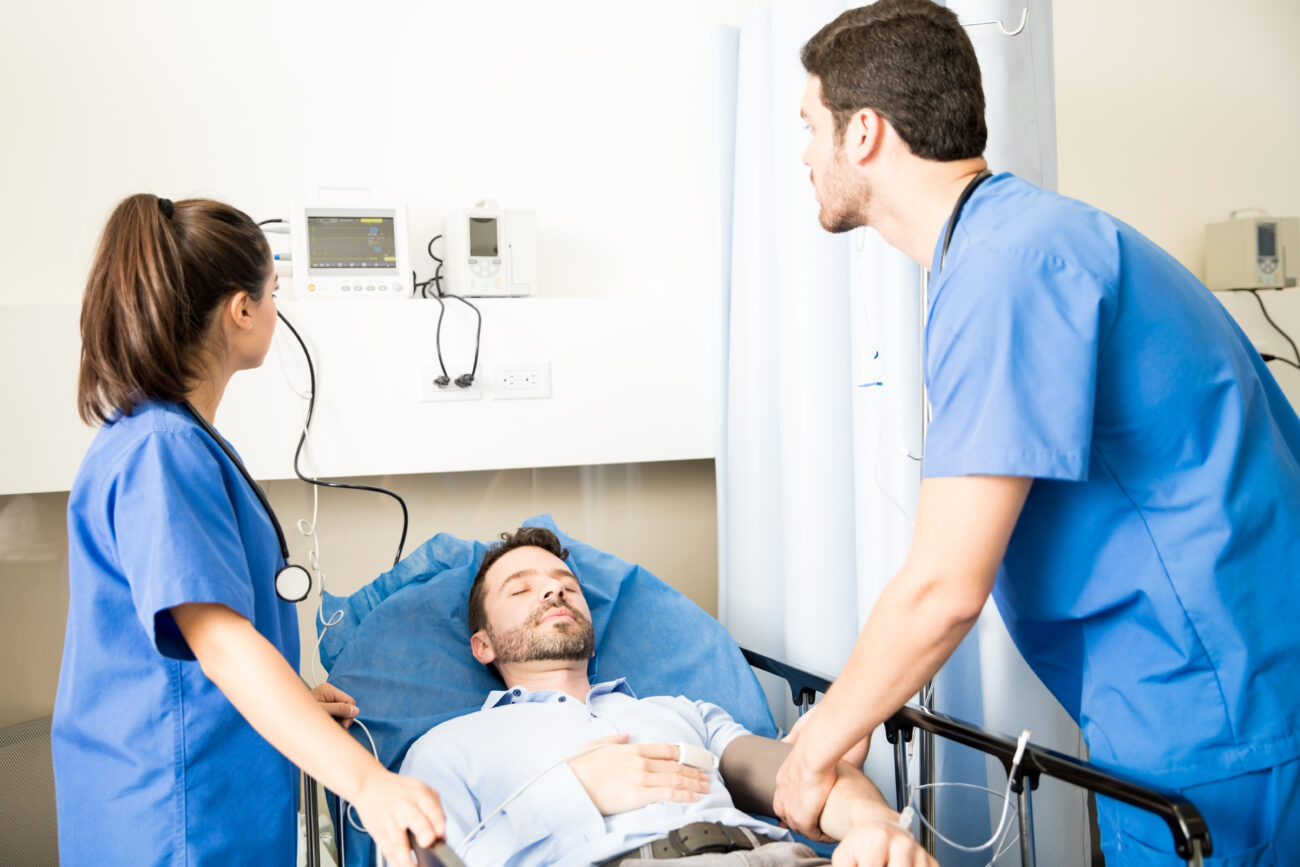
Emergency Medicine (EM) stands at the frontline of modern healthcare, where life-saving decisions must be made in seconds. It is a discipline that demands composure, clinical agility, and a deep understanding of acute care. For MBBS graduates in India exploring their next steps, emergency medicine offers a uniquely dynamic career trajectory—one that is clinically intensive, globally respected, and increasingly relevant as healthcare systems worldwide confront rising emergency caseloads and complex acute care demands.
This guide explores the major career pathways available in emergency medicine after MBBS, including MD/DNB training in India, the globally recognised MRCEM route, and international fellowships. It also provides perspective on how to choose the most suitable path based on your goals—whether you aspire to work within India, practise abroad, or build subspecialty expertise. At each stage, structured learning platforms like OC Academy offer valuable academic scaffolding and mentorship to ensure success.
Why Emergency Medicine Appeals to Post-MBBS Doctors
Emergency medicine is not merely a high-pressure speciality; it is a career of clinical precision and purpose. EM physicians are trained to diagnose and manage undifferentiated, time-sensitive conditions across all age groups—often without the benefit of full histories or prior workups. From stabilising polytrauma patients to managing cardiac arrests and sepsis, the EM doctor is expected to act decisively under stress.
This need for broad competence and rapid decision-making appeals to many MBBS graduates who wish to remain hands-on in acute clinical care. Unlike super-specialised branches that focus on narrow domains, emergency medicine keeps doctors at the centre of real-time intervention. Moreover, as emergency departments globally are evolving into high-tech hubs integrating triage AI, point-of-care diagnostics, and multidisciplinary workflows, the demand for trained emergency physicians is growing, not just in India but worldwide.
Pathway 1: MD/DNB in Emergency Medicine (India)
The most traditional and structured route for Indian doctors is pursuing a postgraduate degree such as MD or DNB in Emergency Medicine. This is a three-year full-time programme recognised by the National Medical Commission (NMC), designed to equip doctors with a robust foundation in emergency care, trauma management, and critical care principles.
The curriculum typically covers:
- Advanced resuscitation protocols and life support (ACLS, ATLS, PALS)
- Clinical rotations in emergency, ICU, trauma, and toxicology units
- Case-based learning and thesis submission
- Exposure to disaster preparedness and triage systems
While MD seats are more limited and highly competitive, DNB programmes have expanded in several reputed private hospitals and academic centres. Both options require NEET-PG qualification and often demand prior exposure to acute medicine.
For those committed to a long-term clinical practice in India or who seek to contribute to the development of emergency departments in tier-2 or rural settings, this path offers credibility and regulatory alignment. However, it is also time-intensive, and international mobility may be limited unless coupled with additional certifications or fellowships abroad.
Pathway 2: MRCEM Route (UK) – Global Benchmark in Emergency Medicine
The Membership of the Royal College of Emergency Medicine (MRCEM) is a globally acknowledged qualification awarded by the RCEM in the United Kingdom. It is increasingly popular among Indian MBBS graduates who wish to practice or gain recognition in countries with established emergency medicine systems, such as the UK, the Middle East, Australia, or even parts of Southeast Asia.
MRCEM is a multi-stage examination process designed to test applied clinical knowledge and emergency care skills:
- MRCEM Primary: Tests basic sciences relevant to emergency medicine.
- MRCEM Intermediate (or SBA): Evaluates understanding of core EM presentations, investigations, and management.
- MRCEM OSCE (Final): Assesses clinical and communication skills in simulated emergency scenarios.
The pathway is flexible—there’s no requirement to relocate immediately. Doctors can prepare for MRCEM while continuing clinical work in India, and several upskilling platforms provide targeted MRCEM training aligned with the latest RCEM guidelines.
The key advantages of the MRCEM pathway include:
- International career mobility, especially to NHS Trusts and other Commonwealth countries
- Structured, competency-based learning
- Emphasis on both knowledge and practical bedside performance
It is ideal for MBBS graduates who aim to build an international emergency medicine career or desire a qualification with global recognition.
Pathway 3: Global Fellowships in Emergency Medicine
Fellowships offer another flexible and highly practical route post-MBBS, especially for doctors seeking hands-on experience, specific clinical exposure, or a trial period before committing to longer postgraduate routes. These fellowships can range from 6 months to 2 years and may be clinical, academic, or research-oriented.
Fellowships are available in various formats:
- Short-Term Clinical Fellowships (India and Abroad): Often focus on core emergency care procedures, triage, and resuscitation.
- International EM Fellowships (UK, Middle East, Singapore, USA): More structured, often include rotations in trauma, toxicology, or paediatric EM.
- Subspecialty Fellowships: Focused on paediatric emergency, ultrasound, disaster medicine, or critical care interface.
One notable option for MBBS doctors in India is the Clinical Fellowship in Emergency Medicine with MRCEM Training. This two-year programme combines supervised clinical placements in top Indian hospitals with expert-led MRCEM preparation, offering a globally aligned training model that enhances both practical competency and international career readiness.
Eligibility varies, but most require at least an MBBS degree with internship completion. Some may expect ACLS/PALS certification or prior work in emergency departments.
These fellowships do not confer a degree but provide immense clinical maturity and CV enhancement. They are especially useful for doctors who wish to gain clarity on long-term goals or want an immersive experience before pursuing MD or MRCEM training.
Choosing the Right Pathway: Practical Considerations
The ideal emergency medicine career pathway depends on multiple factors—your clinical interests, long-term goals, and time or financial flexibility. Here’s a guide to aligning personal aspirations with the right choice:
- Interested in regulatory alignment within India?
→ Consider MD/DNB in Emergency Medicine. - Want international recognition or NHS employment?
→ MRCEM is your most structured path. - Need flexibility and quicker clinical exposure?
→ Look into clinical fellowships or blended learning programmes. Enrolling in a structured PG in Emergency Medicine programme is also a viable route. These postgraduate courses offer clinical observerships, emergency room exposure, and global learning modules—ideal for MBBS doctors who want to enhance their emergency care competence while continuing clinical duties. - Leaning towards paediatric emergencies or tele-emergency?
→ Explore courses in subdomains before full specialisation. Explore subspecialty-focused fellowships to build confidence in managing child-specific cases. Programmes such as the Diploma in paediatric emergency medicine are tailored for this, offering scenario-based paediatric modules that enhance decision-making under time-sensitive conditions. - Uncertain about long-term goals but want to build core skills?
→ Short-term courses offer safe starting points.
In any case, having a clear understanding of procedural expectations, workload realities, and system requirements (e.g., licensing for the UK or Gulf countries) is crucial before committing.
How OC Academy Supports Emergency Medicine Aspirants
For many early-career doctors, the biggest hurdle is not just choosing a path, but preparing effectively for it while continuing work. OC Academy bridges this gap through structured emergency medicine online courses that align with global benchmarks.
Here’s how OC Academy supports your journey:
- MRCEM-Aligned Learning: Comprehensive modules with expert-led sessions, real-world case analysis, and mock exam simulations tailored to Primary, Intermediate, and OSCE levels.
- Clinical Fellowship Support: Curated programmes in partnership with reputed hospitals offering hands-on exposure under senior faculty mentorship.
- Mentorship and Roadmapping: Helping doctors choose between MD/DNB, MRCEM, and fellowships based on their location, availability, and future goals.
Whether you’re looking to build competence in trauma care, refine resuscitation skills, or take your first step toward international practice, OC Academy acts as a strategic enabler, not a degree provider, but a guide to help you succeed through globally relevant training.
Conclusion
Emergency medicine is not just a profession—it’s a calling to stand at the most critical moments of patient care. For MBBS doctors in India, the field offers diverse routes for growth—from structured Indian PG programmes to international certifications and fellowships that open doors globally.
Whichever path you choose, building a strong foundation in emergency protocols, trauma management, and decision-making under pressure is key. With well-structured online courses, clinical mentorship, and globally benchmarked preparation, OC Academy helps doctors take decisive, informed steps toward fulfilling emergency medicine careers.
If you are wondering how to become an emergency specialist or seeking clarity on emergency medicine postgraduate courses, now is the time to explore your options, commit to growth, and embrace a career that saves lives, one shift at a time.
FAQs
1. What qualities are important for a successful career in Emergency Medicine?
A career in Emergency Medicine demands quick clinical judgment, strong communication skills, the ability to manage stress under pressure, and adaptability across varied patient scenarios. Doctors must remain composed while making rapid, life-saving decisions in unpredictable environments.
2. How do I know if Emergency Medicine is the right fit for me after MBBS?
If you enjoy high-intensity clinical work, want exposure to a wide variety of cases, and are interested in acute care rather than long-term patient follow-up, Emergency Medicine could be a strong match. It’s also ideal for those seeking a fast-paced, hands-on medical career that remains closely tied to core clinical skills.
3. Can I pursue Emergency Medicine training while continuing to work clinically?
Yes, many training pathways—especially MRCEM preparation programmes and some fellowship models—are designed to accommodate practising doctors. These allow you to gain structured learning while maintaining your current hospital duties, making them ideal for early-career flexibility.
4. Are international Emergency Medicine qualifications recognised in India?
Some international certifications like MRCEM are not officially equivalent to MD/DNB in India for regulatory purposes, but they are highly respected within private hospital systems, academic centres, and international career pathways. They can significantly boost your profile for both clinical and academic roles.
5. What’s the best way to choose between postgraduate, fellowship, or international routes?
There is no one-size-fits-all answer. The best pathway depends on your long-term career vision—whether that’s practising in India, working abroad, or specialising in a sub-domain. Consider factors such as time, cost, mobility, and your readiness for academic vs clinical immersion when deciding.