
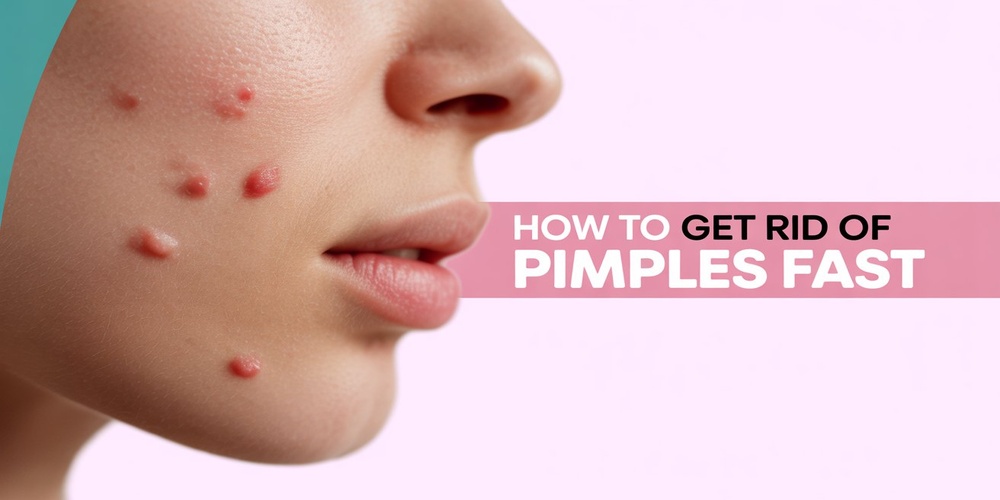
In the high-pressure social landscape of 2026, patients often present with a demand for immediate results. While long-term retinoid therapy remains the cornerstone of care, the clinician must master acute acne management to address inflammatory flares effectively. Consequently, the challenge for the modern dermatologist in India is to balance patient expectations for speed with the medical necessity of preventing scarring and post-inflammatory hyperpigmentation (PIH).
Pathophysiology of the Inflammatory Flare
To resolve a lesion in a matter of days, one must intervene at the peak of the inflammatory cascade. An acute “pimple” is essentially a localized battleground involving Cutibacterium acnes, follicular hyperkeratinization, and a surge of pro-inflammatory cytokines like TNF-a. Therefore, rapid resolution requires a multi-pronged approach that targets both the bacterial load and the host immune response simultaneously.
Advanced Protocols for Acute Acne Management
The most effective clinical tool for rapid resolution remains the Intralesional Steroid (ILS) injection. Specifically, Triamcinolone Acetonide (2.5 to 5 mg/mL) can drastically reduce the size and pain of a cystic lesion within 24 to 48 hours. However, the junior doctor must exercise caution regarding the concentration to avoid dermal atrophy or hypopigmentation, which are particularly prevalent in darker Indian skin types (Fitzpatrick IV-VI).
In addition to ILS, the 2026 protocol often incorporates “Living Skincare” signals. For example, applying topical post-biotics or synthetic antimicrobial peptides can restore the microbiome balance much faster than traditional benzoyl peroxide. Transitioning from harsh oxidizers to these biological modulators prevents the barrier disruption that often delays perceived “healing.”
Clinical Case Study: The “Social Emergency”
Consider a 24-year-old female patient presenting with a solitary, painful nodulocystic lesion on the chin three days before a major event. An examination reveals a fluctuant, erythematous nodule approximately 8mm in diameter. The clinician performs a localized “Rescue Protocol.” This involves a superficial chemical peel (Salicylic Acid 30%) to provide immediate comedolysis, followed by a precision ILS injection. Consequently, the patient observes a 70% reduction in lesion volume by the following morning, effectively managing the acute crisis while preventing a permanent scar.
Frequently Asked Questions
Q1: Can oral antibiotics provide rapid resolution for a single lesion?
No. Systemic antibiotics like Doxycycline or Minocycline typically require several weeks to show significant results. For a “matter of days” timeline, localized interventions such as ILS or targeted light therapy are far superior.
Q2: What is the risk of using high-concentration steroids for ILS in Indian skin?
The primary risk is post-inflammatory hypopigmentation and localized fat atrophy. Always aspirate before injecting and use the lowest effective concentration (e.g., 2.5 mg/mL) to ensure safety.
Q3: Does “pimple patching” actually speed up healing?
Hydrocolloid patches are effective at maintaining a moist wound environment and preventing secondary infection from “picking.” While helpful for superficial pustules, they are generally ineffective for deeper, cystic inflammatory lesions.