
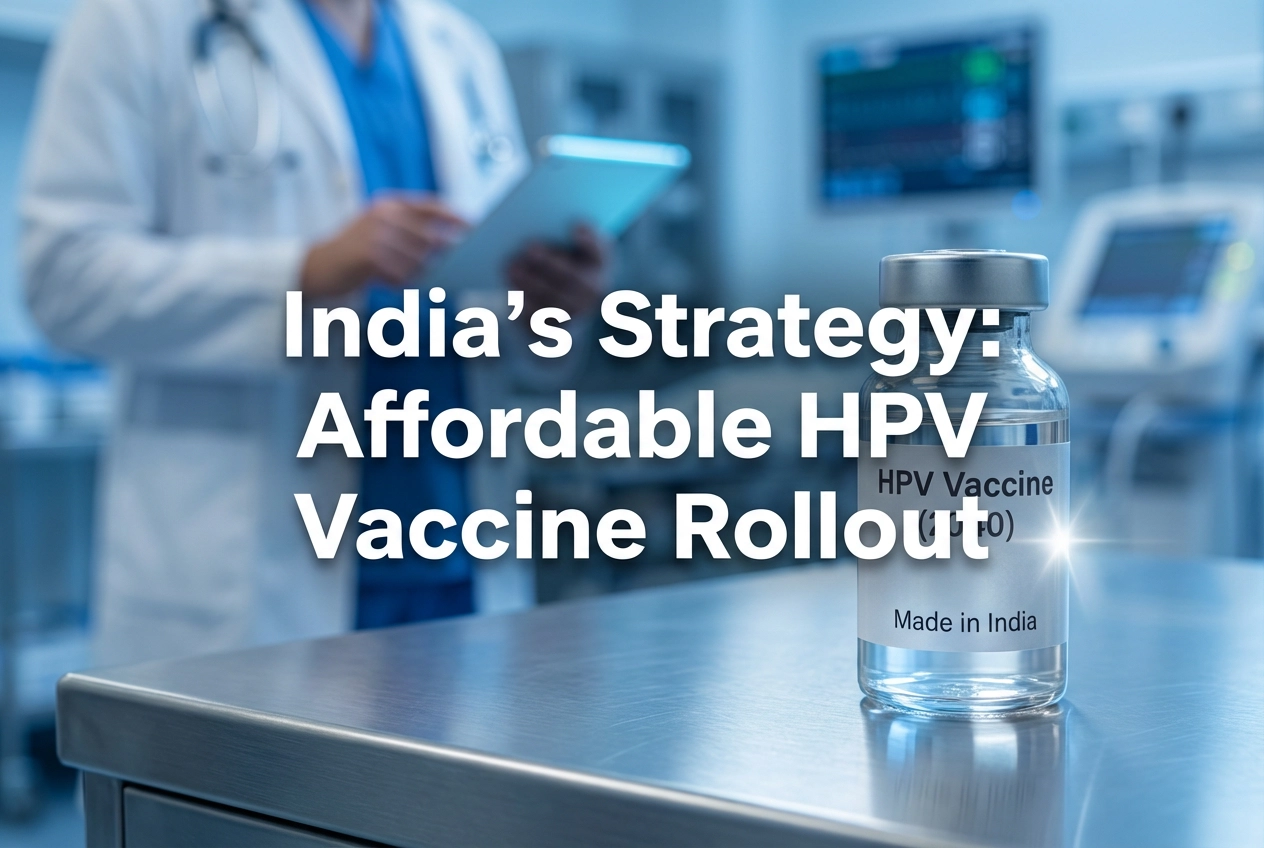
The projected rise of cancer cases in India is a critical public health concern. India could see its annual cancer patient load climb to nearly 2 million (20 lakh) by 2040, a significant jump from the current 1.4 to 1.5 million cases. Currently, India stands as the third country globally in cancer prevalence, trailing only China and the USA. This alarming forecast has prompted the government to accelerate initiatives for both treatment and prevention, most notably the crucial rollout of the affordable HPV Vaccine India for cervical cancer.
The Shifting Disease Spectrum and Burden
MoS Jitendra Singh noted that the disease spectrum in India has drastically changed. Until the 1980s, communicable diseases were the primary concern. Now, India faces a dual burden of both communicable and non-communicable diseases. The minister highlighted an alarming trend: many non-communicable diseases, including heart attacks and cancer, which previously manifested in the later decades of life, are now presenting in younger populations. Furthermore, while India takes pride in its young demographic (70% below 40), the increasing number of citizens aged 60 and above significantly adds to the overall disease burden. Consequently, expanding healthcare capacity remains a national priority. For those focusing on cancer management, understanding the landscape through specialized training is key, such as pursuing a Certification Course In Clinical Oncology.
National Strategy for Affordable HPV Vaccine India
To tackle one of the major cancer contributors in Indian women, the Department of Biotechnology successfully developed the first-ever indigenously manufactured Human Papillomavirus (HPV) vaccine, Cervavac. This vaccine is specifically designed to prevent cervical cancer, which disproportionately affects young females in the country. Therefore, the government has declared the introduction of the HPV Vaccine India into the National Immunization Program (NIP) as a top national priority. The national strategy involves a phased rollout, initially contacting seven states to prepare for the launch. Targeting girls aged 9 to 14, the vaccine will be delivered primarily through schools. Importantly, the government is negotiating to make the vaccine available to the masses at an affordable price or entirely free of cost, aiming to overcome the hurdle of high costs that previously limited uptake. This crucial step aligns with the World Health Organization’s global strategy for cervical cancer elimination.
Expanding Cancer Treatment Infrastructure
As for treatment, the government has launched an ambitious program focused on establishing comprehensive cancer facilities in virtually every district hospital across the country. This initiative acknowledges the heterogeneity of cancer types prevalent across India, such as the high incidence of head and neck cancers observed in the North-East region. Consequently, developing localised treatment protocols and infrastructure is essential for effective patient management. Physicians looking to specialize in diagnostic imaging for these complex cases may find value in the Certification Course In Head & Neck Radiology. The long-term goal is to ensure timely availability of essential cancer medicines and care for all citizens, especially those from lower-income groups.
Frequently Asked Questions
Q1: What is the projected cancer patient load in India by 2040?
India is projected to have around 2 million (20 lakh) cancer cases annually by 2040, a rise from the current 1.4 to 1.5 million cases.
Q2: Which HPV vaccine is being introduced in India’s National Immunization Program?
The government plans to deploy Cervavac, the first indigenously developed quadrivalent HPV vaccine, which will be available for free or at a nominal cost under the national program.
Q3: Why are cancer and other non-communicable diseases becoming a greater concern in India?
India is facing a dual burden of both communicable and non-communicable diseases. An alarming trend is the earlier onset of conditions like cancer and heart attacks in younger populations, combined with an increasing number of citizens aged 60 and above.
References
- Cancer patients in India could rise to 2 million by 2040: MoS Jitendra Singh – ETHealthworld.
- India prepares to introduce HPV vaccine in National Immunization Program – HPV World.
- India resolves to reduce cervical cancer by vaccinating girls – Gavi.
- India’s HPV vaccine rollout brings cervical cancer prevention closer – Business Standard.
- India gets its own HPV vaccine to stop 70000 women dying of cervical cancer a year – The Guardian.
- Empowering India’s fight against cervical cancer: Harnessing routine HPV immunisation – NIH.
Disclaimer: This article was automatically generated from publicly available sources and is provided for informational and educational purposes only. OC Academy does not exercise editorial control or claim authorship over this content. It is not a substitute for professional medical advice, diagnosis, or treatment. Always consult a qualified healthcare provider and refer to current local and national clinical guidelines.