
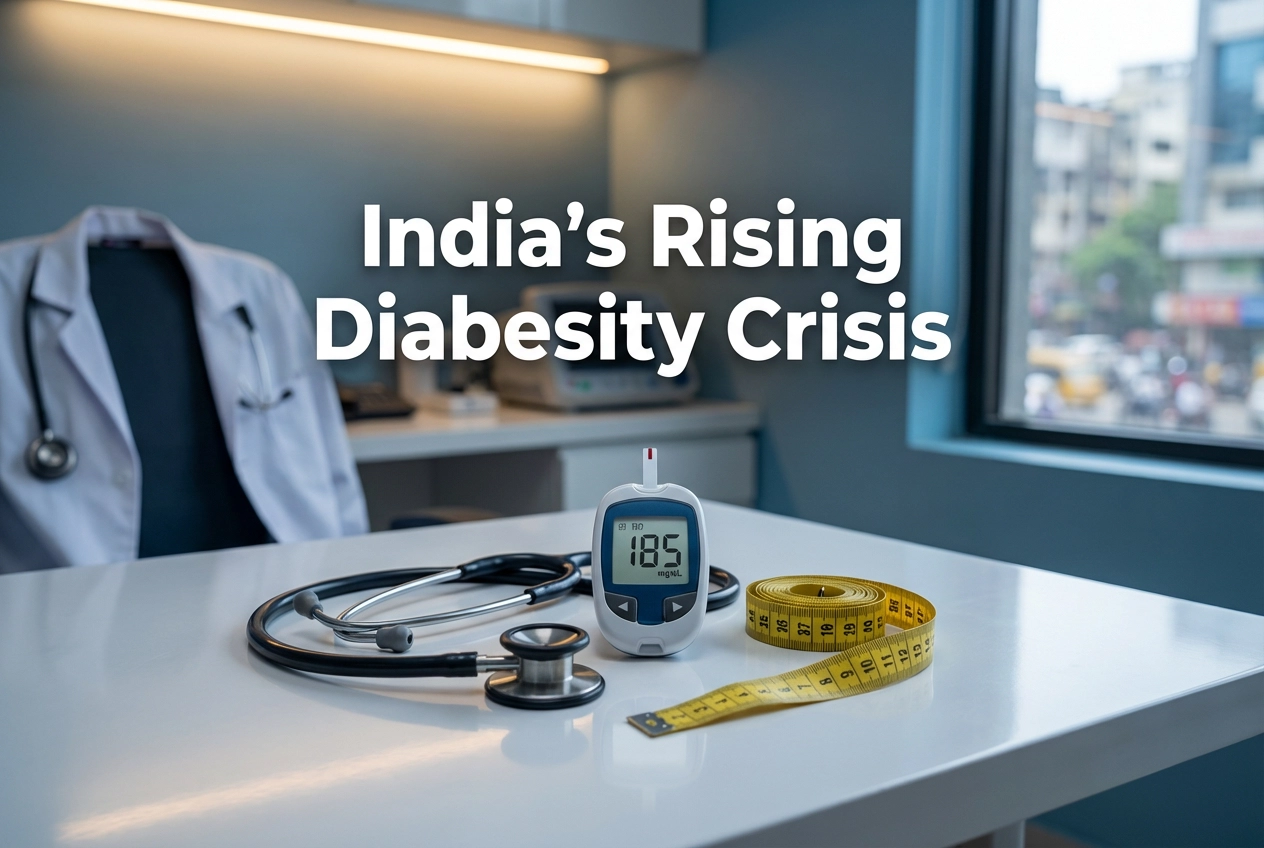
Managing diabesity in India has become a critical priority for healthcare providers nationwide. This condition represents the dangerous intersection of type 2 diabetes and obesity. Consequently, the rising prevalence of metabolic disorders demands a shift from generic advice to personalised, evidence-based interventions. Traditional approaches often fail because they ignore the unique biological challenges faced by the Indian population. For comprehensive management strategies, consider exploring the International Post Graduate Program In Diabetes Mellitus Management.
The Asian Indian Phenotype Challenge
Indians often possess a specific biological predisposition known as the Asian Indian Phenotype. This characteristic involves high levels of visceral fat despite having a lower body mass index. Therefore, even individuals who appear thin may suffer from significant insulin resistance and systemic inflammation. This stubborn abdominal fat acts as a metabolic furnace that drives disease progression. Furthermore, this metabolic shift occurs earlier in life compared to Western populations.
Strategies for Managing Diabesity in India
Generic lifestyle advice like “eat less” often leads to patient exhaustion. Instead, structured nutrition through medical meal replacement programs offers a practical solution. These programs simplify daily choices by removing the mental fatigue of calorie counting. Additionally, they prioritize protein intake, which is essential for maintaining lean muscle mass. Because protein improves satiety, patients find it much easier to adhere to these structured plans over the long term. Professionals seeking structured training in this area should look at the Postgraduate Diploma In Obesity And Weight Management.
The Path to Diabetes Remission
Research now shows that significant weight loss can lead to diabetes remission in many patients. Specifically, losing weight helps reduce liver fat and improves overall blood sugar control. While new medications like GLP-1 agonists are effective for weight loss, they must be paired with nutritional support. This ensures that patients lose fat rather than vital muscle mass. Consequently, a holistic approach combining pharmacology and nutrition provides the best outcomes. Specialization in this complex area can be achieved through the Master Specialization In Diabetes Mellitus Management.
Frequently Asked Questions
Q1: What exactly is the Asian Indian Phenotype?
The Asian Indian Phenotype refers to a clinical profile where individuals have higher body fat, especially around the abdomen, despite having a relatively low BMI. This increases the risk of insulin resistance and type 2 diabetes. Understanding this profile is key to tailoring effective Diabetes And Endocrinology Speciality Courses.
Q2: Can meal replacements really help with diabetes remission?
Yes, structured meal replacement programs help patients achieve the significant, sustained weight loss required for remission. These plans ensure nutrient density while creating the necessary calorie deficit under medical supervision.
References
- The Diabesity Dilemma: Why India Needs a New Approach to Metabolic Health – ETHealthworld
- Anjana, R. M., et al. (2023). Metabolic health and the ICMR-INDIAB study. The Lancet Diabetes & Endocrinology.
- Misra, A., & Khurana, L. (2011). The Asian Indian Phenotype and Cardiovascular Disease. International Journal of Diabetes in Developing Countries.
Disclaimer: This article was automatically generated from publicly available sources and is provided for informational and educational purposes only. OC Academy does not exercise editorial control or claim authorship over this content. It is not a substitute for professional medical advice, diagnosis, or treatment. Always consult a qualified healthcare provider and refer to current local and national clinical guidelines.