
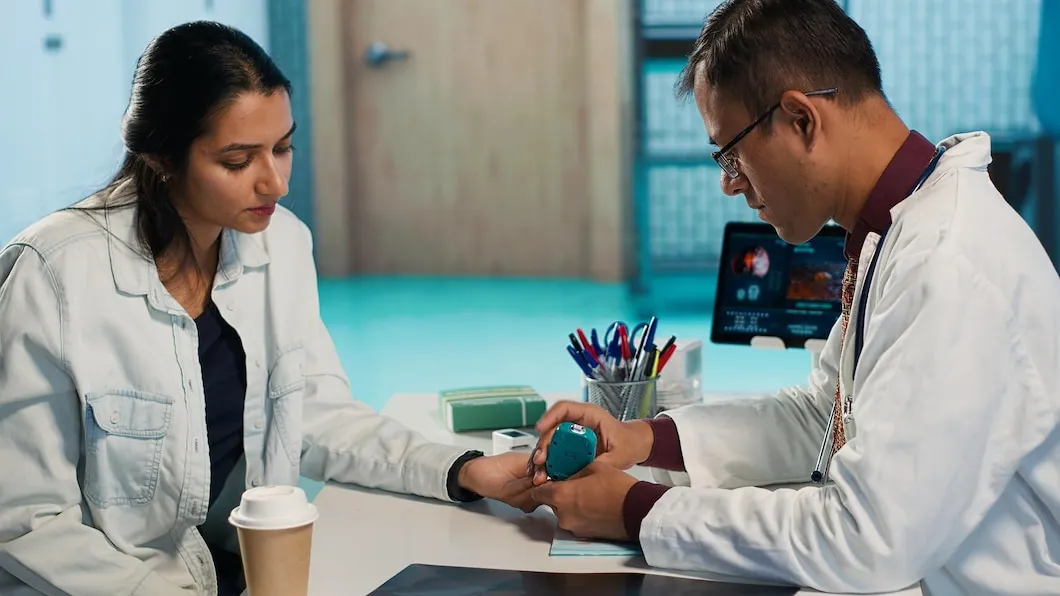
Diabetes mellitus has evolved from a metabolic concern to one of the most pressing global health challenges of our time. In India, where nearly one in ten adults lives with some form of diabetes, the responsibility of long-term care and complication prevention often rests with general physicians (GPs). Given the chronic and multifaceted nature of the condition, modern diabetes care increasingly demands more than routine blood glucose checks and standard pharmacological prescriptions. It now involves nuanced clinical judgement, evidence-based decision-making, and the integration of emerging technologies. For MBBS-trained general practitioners, this creates an urgent imperative: to deepen their understanding and skillset through structured upskilling.
This article explores the critical intersections between general practice and endocrinology, the evolving clinical landscape of diabetes care, and how focused educational pathways, such as online diabetes certification for physicians, enable GPs to deliver more precise, personalised, and outcomes-driven care.
Diabetes in Primary Care: A Clinical Reality GPs Cannot Ignore
In India, general physicians are often the first and sometimes the only point of care for patients with diabetes. A significant proportion of newly diagnosed type 2 diabetes cases emerge in primary care settings, along with a wide spectrum of diabetes-related complications, including neuropathy, nephropathy, cardiovascular risk, and retinopathy. Moreover, with rising awareness and diagnostic rates, general physicians now manage not just overt diabetes but also pre-diabetes, metabolic syndrome, gestational diabetes, and medication-induced hyperglycaemia.
Given this clinical reality, the line between general medicine and endocrinology continues to blur. Diabetes management is no longer a peripheral skill but a core competency for every practising GP. However, traditional MBBS curricula often do not offer sufficient depth in endocrinology, especially in advanced diabetes therapeutics or technological tools. This makes general physician diabetes upskill training essential for those seeking to provide quality chronic disease care in today’s context.
Why Diabetes Management Demands Continuous Medical Education
Medical knowledge is expanding at an unprecedented rate. Nowhere is this more evident than in the management of chronic diseases like diabetes. In the last decade alone, multiple new classes of antidiabetic agents, GLP-1 receptor agonists, SGLT2 inhibitors, and DPP-4 inhibitors have emerged with differing mechanisms, indications, and contraindications. Guidelines for insulin initiation and titration have also evolved, reflecting a shift towards patient-specific approaches that prioritise weight, cardiovascular status, renal function, and adherence factors.
Moreover, advances in Continuous Glucose Monitoring (CGM) and real-time feedback systems have redefined the metrics of glycaemic control. Understanding how to interpret CGM data, adjust insulin based on time-in-range targets, and counsel patients on device use are now critical components of standard care.
This dynamic landscape makes continuing medical education in diabetes management not just helpful, but necessary. GPs must stay abreast of changing recommendations from ADA and EASD consensus reports to Indian-specific guidelines if they are to offer safe, current, and effective care.
Evolving Standards in Diabetes Management: What GPs Need to Master
Upskilling in diabetes is not about learning isolated facts but acquiring a framework for modern chronic disease management. The following are key domains where general physicians benefit significantly from focused training:
1. Pharmacological Strategy and Customisation
Understanding when and how to use oral agents versus injectable therapies is foundational. With newer antidiabetic medications demonstrating cardiovascular and renal protection, it is essential for GPs to individualise treatment depending on comorbidities instead of a one-size-fits-all basis.
2. Insulin Therapy Initiation and Adjustment
Initiating basal or bolus insulin regimens, titrating dosages, and overcoming patient hesitancy are areas where formal instruction makes a difference. Insulin dosing errors continue to be a frequent cause of problems, often preventable through training.
3. Interpretation of Glycaemic Metrics Beyond HbA1c
With CGM, flash glucose monitoring, and time-in-range metrics becoming mainstream, GPs must go beyond HbA1c to interpret and act upon real-time glycaemic trends.
4. Lifestyle and Nutritional Counselling
Many physicians still lack formal exposure to evidence-based nutritional interventions, carbohydrate counting, or culturally adapted diet models. Upskilling bridges this essential gap and enables collaborative, patient-focused counselling.
5. Risk Stratification and Complication Prevention
Regular screening protocols for nephropathy, neuropathy, and retinopathy, along with cardiovascular risk scoring, are essential in reducing long-term burden and cost of care.
In short, high-quality diabetes management guidelines CME offers the tools needed to translate clinical knowledge into real-world impact. For GPs looking to build comprehensive capability across both hormonal and metabolic disorders, the Post Graduate Diploma in Endocrinology and Diabetes provides in-depth academic and clinical exposure through a flexible, internationally recognised online format.
The Role of Online Certification in Modern Practice
While the need for continuing education is evident, many GPs face logistical challenges: clinical workload, geographical constraints, and lack of access to tertiary training centres. This is where online diabetes certification for doctors becomes a highly viable alternative.
Accredited online modules enable self-paced learning, case-based assessments, interactive tutorials, and periodic evaluations, allowing doctors to upskill without having to discontinue clinical practice. Platforms like OC Academy, which host internationally recognised courses co-developed with NHS institutions or Royal Colleges, ensure not only academic depth but also practical clinical relevance. One such programme is the diabetes certificate course, designed to upskill GPs in diagnosis, pharmacotherapy, and lifestyle counselling for metabolic diseases.
These programs are especially useful for general practitioners in:
- Tier 2 and Tier 3 cities where specialist referral is limited
- Busy outpatient setups needing efficient, updated decision-making frameworks
- Doctors preparing for global licensure pathways where diabetes competence is evaluated
Such certifications serve as both formal recognition of capability and tangible improvement in patient care standards.
Case Example: Why Structured Upskilling Makes a Difference
Consider a 54-year-old male with type 2 diabetes, hypertension, and early-stage CKD. An MBBS-trained GP treating this patient must decide whether to continue sulfonylureas, switch to an SGLT2 inhibitor, or begin insulin therapy. They must understand renal dosing adjustments, hypoglycaemia risks, dietary restrictions, and follow-up intervals.
Without adequate upskilling, decisions might rely on outdated practices or be overly cautious, risking either under-treatment or iatrogenic harm. With structured training such as an advanced diabetes management course for doctors, that same GP would approach the case with clarity, confidence, and evidence-based rationale.
Such capability translates directly into improved glycaemic control, reduced hospitalisations, and greater patient trust outcomes that define excellence in primary care.
How OC Academy Bridges the Gap for General Physicians
OC Academy provides a curated set of internationally aligned diabetology courses designed specifically for practising MBBS and MD doctors. These courses are developed in collaboration with reputed global institutions and are tailored to address the real-world challenges GPs face in managing diabetes.
Key features include:
- Modular learning: allowing flexibility for working professionals
- Interactive case-based content: ensuring applied understanding
- Expert-led instruction: from endocrinologists and international faculty
- Clinical assessment components: to validate learning outcomes
By offering access to globally relevant curriculum and evaluation frameworks, OC Academy enables general physicians to raise the standard of their diabetes care, whether in solo practice, institutional settings, or telemedicine models.
Aligning with Global Trends in Chronic Disease Care
The global healthcare ecosystem is shifting from reactive illness care to proactive disease management. In this model, GPs are no longer just gatekeepers but chronic disease stewards. Diabetes, as a condition that spans pharmacology, nutrition, behavioural science, and public health, sits at the very heart of this transition.
In the UK, structured GP training includes regular diabetes updates through NHS-linked continuing education. In the US, the American Board of Family Medicine requires documented CME in chronic disease areas, including diabetes. In India, while formal requirements may be limited, the clinical necessity remains just as high.
By undertaking diabetes management continuing medical education, Indian general physicians position themselves as forward-thinking, globally aware, and locally effective clinicians. Structured international programmes such as the MSc in Diabetes further strengthen their academic and clinical portfolio for long-term leadership in chronic care.
Conclusion
For general physicians in India, mastering diabetes management is no longer an optional extension; it is a clinical necessity. The scope of diabetes care has expanded well beyond traditional glucose monitoring and pharmacotherapy. It now involves a layered understanding of patient behaviour, comorbidities, technology use, and evolving pharmacological science.
By engaging in structured, flexible, and internationally aligned training, such as an advanced diabetes management course for doctors, GPs can significantly enhance their diagnostic acumen, treatment precision, and long-term patient outcomes.
OC Academy’s specialised online offerings provide a practical and academically sound path forward, helping doctors strengthen their expertise while remaining in active practice. As chronic disease burdens continue to rise, it is this kind of proactive, evidence-informed upskilling that will define the next generation of medical leadership in India’s primary care landscape.
FAQs
1. Why is it important for general physicians to stay updated on diabetes treatment protocols?
Diabetes management is evolving rapidly, with new medications, technologies, and clinical guidelines emerging each year. For general physicians, staying updated ensures they offer evidence-based care, reduce the risk of complications, and improve long-term outcomes for patients. It also helps in tailoring treatment based on comorbidities and individual patient profiles.
2. What are the major challenges faced by GPs in managing diabetes patients?
Common challenges include managing complex comorbidities, initiating and titrating insulin safely, interpreting CGM data, providing effective lifestyle counselling, and maintaining long-term patient adherence. Limited consultation time and a lack of structured diabetes training can make these aspects more difficult.
3. How does technology improve diabetes care in general practice?
Technologies like Continuous Glucose Monitoring (CGM), flash glucose monitors, and digital health tools allow for real-time glycaemic tracking and personalised interventions. They enable GPs to move beyond HbA1c alone and make dynamic treatment decisions based on time-in-range data and patient feedback.
4. What clinical skills should a GP develop to manage diabetes more effectively?
Key skills include interpreting glycaemic patterns, initiating and adjusting insulin regimens, counselling on diet and physical activity, recognising early signs of complications, and implementing risk-based screening strategies. Clinical confidence in these areas leads to safer, more proactive care.
5. How does improving diabetes care in primary settings impact public health outcomes?
Enhanced diabetes management at the GP level can significantly reduce hospital admissions, prevent long-term complications, and lower the overall healthcare burden. Early intervention, routine monitoring, and patient education delivered at the primary care level improve both individual and population-level outcomes.