
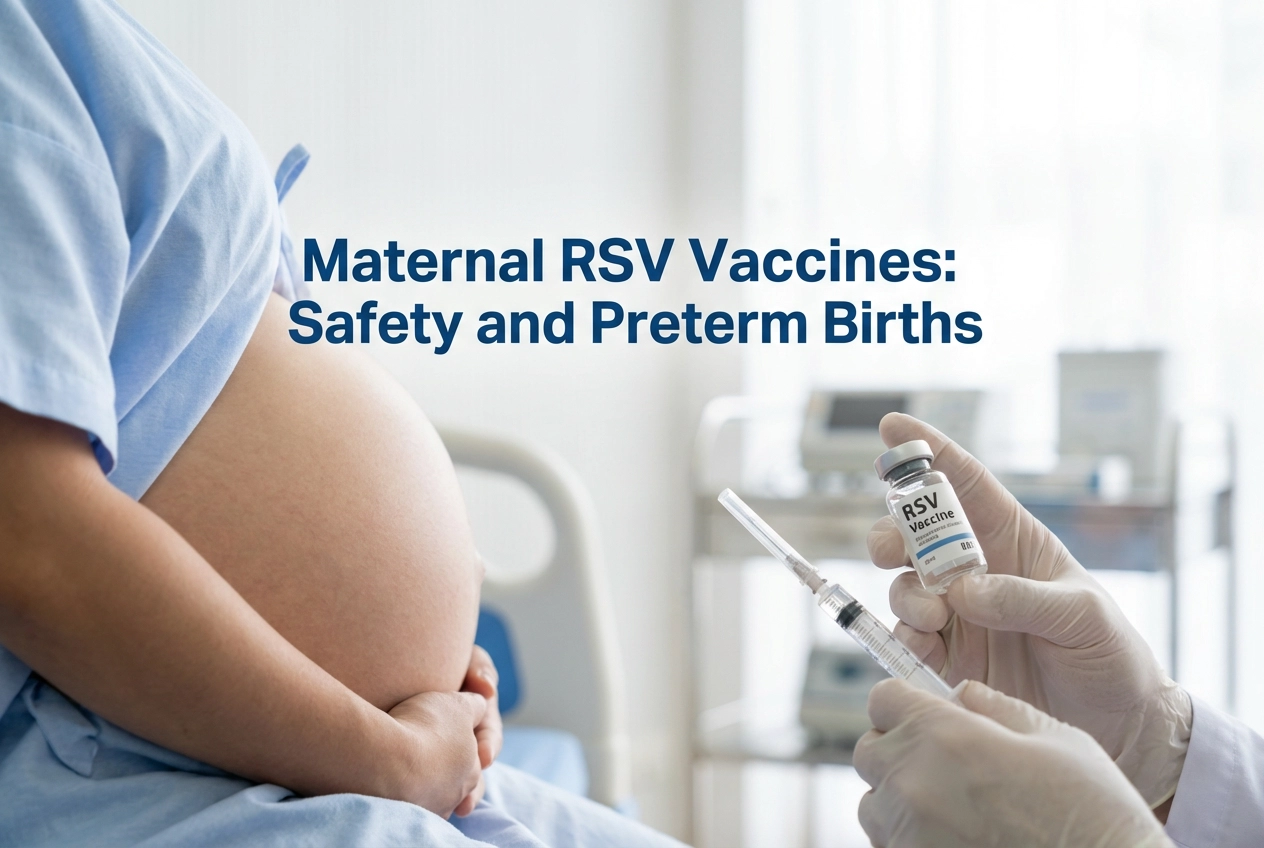
Maternal RSV vaccination is a key intervention to protect neonates from severe lower respiratory tract disease (LRTD) caused by Respiratory Syncytial Virus (RSV). A recent retrospective cohort study conducted in Utah suggests this vaccination is associated with an unexpected benefit: lower odds of preterm birth. The study tracked over 24,000 deliveries and found that 11.3% of individuals received the vaccine. Preterm birth occurred in 5.5% of the vaccinated group compared to 6.8% of the unvaccinated group. Consequently, the vaccine receipt was associated with lower odds of preterm birth (adjusted odds ratio 0.80).
Maternal RSV Vaccination and Preterm Birth Safety Profile
Investigators in the Utah study specifically looked at individuals delivering a singleton neonate between 32 0/7 and 36 6/7 weeks of gestation. Overall, the findings support the safety profile of the vaccine in pregnancy. Researchers did not find an association between RSV vaccine receipt and any adverse birth outcomes. This included fetal or infant death, low birth weight, and hypertensive disorders of pregnancy. However, prior systematic reviews and meta-analyses on maternal RSV vaccines showed mixed results regarding preterm birth. One meta-analysis noted no statistically significant difference in the risk of preterm birth between vaccine and control groups.
Global Context and Established Efficacy
The World Health Organization (WHO) currently recommends a single RSV vaccination shot for pregnant women in the third trimester. This recommendation is due to the significant burden of RSV, which causes over 100,000 annual deaths in children under five, especially in low- and middle-income countries. Clinical trials have widely demonstrated the vaccine’s efficacy and safety. Furthermore, pooled data from trials shows that antenatal RSV vaccination reliably provides effective antibody levels in infants. This results in a notable reduction in RSV-related severe disease and hospitalizations in infants under six months of age. The general safety profile in mothers is good, with common side effects being mild local reactions like pain or swelling at the injection site.
Timing and Recommendation in Clinical Practice
Guidelines recommend administering the maternal RSV vaccine between 32 and 36 weeks of gestation. This timing is crucial because it optimizes the transfer of protective antibodies across the placenta to the fetus. Studies suggest that vaccinating at least five weeks before delivery results in the most efficient antibody transmission. Physicians should, therefore, clearly communicate the established benefits and minimal risks of the maternal RSV vaccine to expectant mothers. Addressing common patient concerns with empathy and evidence-based guidance is essential to overcome vaccine hesitancy and improve infant health outcomes globally.
Frequently Asked Questions
Q1: Does the Maternal RSV Vaccine protect against any adverse birth outcomes?
A: The Utah retrospective study found that receiving the RSV vaccine was not associated with adverse birth outcomes like low birth weight, hypertensive disorders of pregnancy, or fetal or infant death. Moreover, this study suggested a lower odds of preterm birth in the vaccinated group.
Q2: When is the optimal time for a pregnant individual to receive the RSV vaccine?
A: Healthcare providers typically recommend the maternal RSV vaccine between 32 and 36 weeks of gestation. This schedule ensures the highest level of antibody transfer from the mother to the baby, providing passive immunity during the infant’s most vulnerable months.
Q3: What is the primary established benefit of maternal RSV vaccination?
A: The primary benefit is the prevention of severe Respiratory Syncytial Virus (RSV)-associated lower respiratory tract disease and subsequent hospitalization in infants during the first six months of life, a period when infants are at the highest risk.
References
- Solsman AM et al. Maternal Respiratory Syncytial Virus Vaccination and Preterm Birth: A Utah Statewide Retrospective Cohort Study. Obstet Gynecol. 2026 Jan 01. doi: 10.1097/AOG.0000000000006130. PMID: 41289590.
- Mehtälä J et al. Safety and efficacy of maternal RSV vaccination: a systematic review and meta-analysis. Ann Med. 2023 Dec;55(1):2243015.
- NETEC. RSV Vaccine: A Breakthrough in Protecting Infants and Expectant Mothers. 2024-12-20.
- Chen W et al. Respiratory Syncytial Virus Maternal Vaccination in Infants below 6 Months of Age: Meta-Analysis of Safety, Immunogenicity, and Efficacy. Vaccines (Basel). 2024 Jan 29;12(2):142.
- Medindia. Respiratory Syncytial Virus (RSV) Vaccination Guidelines for Pregnant Women. 2024-11-23.
- WHO. WHO recommends maternal vaccine and antibody shot to prevent RSV in infants. 2024-10-02.