
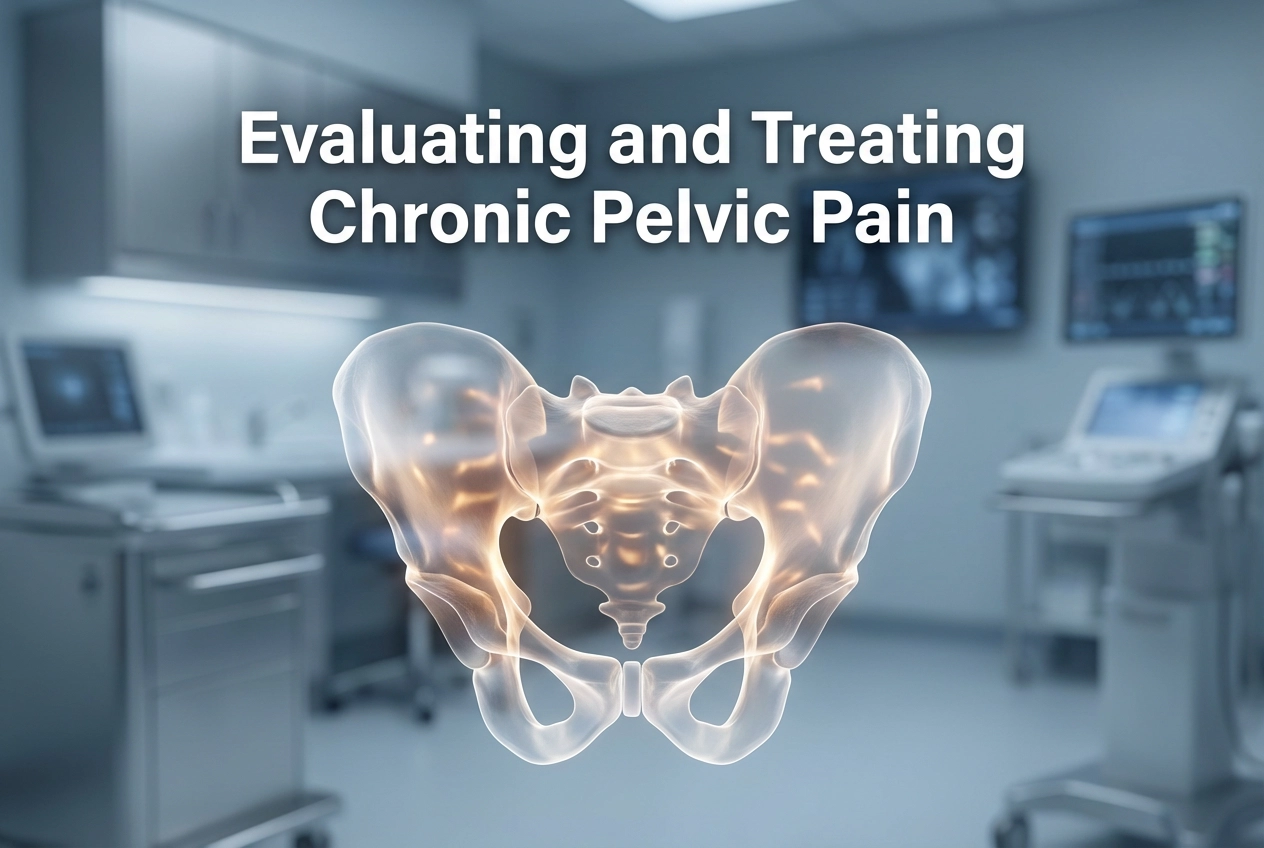
Chronic pelvic pain (CPP) is a complex, often debilitating condition affecting 15-26% of women worldwide. This condition is defined as pain perceived to originate from pelvic organs or structures lasting longer than six months. Furthermore, chronic pelvic pain is frequently associated with negative cognitive, behavioural, sexual, and emotional consequences. Notably, CPP is a symptom, not a single disease, having many potential causes. Most patients, consequently, present with multiple contributing conditions, necessitating a comprehensive approach. This article overviews the essential evaluation and management principles for obstetrician-gynaecologists.
System-Based Evaluation of Chronic Pelvic Pain
Diagnosis requires an organ system-based approach. Since CPP is multifactorial, any combination of gynecologic, gastrointestinal, musculoskeletal, urologic, neurologic, and vascular sources is a possible cause. Therefore, a detailed history and physical examination are vital. Practitioners must screen routinely for chronic pain syndrome. In addition, they must also assess for mental health and other significant psychological coexisting problems. Appropriate evaluation leads to optimal treatment and can decrease the rate of inappropriate interventions.
Multidisciplinary Treatment of Chronic Pelvic Pain
Effective management integrates behavioural, pharmacologic, and surgical strategies. These interventions must be tailored to the suspected pain mechanisms in each patient. A multidisciplinary model is considered the gold standard of care for this complex psycho-physiological condition. Consequently, an interdisciplinary team—which may include a gynaecologist, physical therapist, psychologist, and pain physician—is recommended. This approach emphasises the importance of all aspects of the pain experience. It also focuses on reducing physical and psychological dysfunction to improve quality of life.
Behavioural and Pharmacological Strategies
Educating patients about pain physiology, including the interaction between peripheral pathology and central pain amplification, is essential. Behavioural therapies, specifically cognitive-behavioural therapy (CBT), offer small to moderate benefits for chronic pain syndromes. Furthermore, pelvic floor physical therapy, often with trigger point injections, significantly improves pain and function in myofascial CPP. Pharmacologic management often lacks strong evidence specific to CPP. However, medications like Serotonin-Norepinephrine Reuptake Inhibitors (SNRIs) and gabapentin/pregabalin are recommended for a neuropathic pain component. These medications also treat comorbid depression and improve quality of life. Conversely, surgical interventions, like laparoscopic adhesiolysis or nerve ablation, do not reliably improve CPP and may lead to poorer outcomes.
Therapeutic Relationship and Patient Empowerment
The therapeutic relationship forms the core of effective management. Establishing a strong rapport and validating patients’ experiences are central to this process. Shared decision making, collaborative goal setting, and setting clear expectations support sustained engagement. Importantly, empowering patients to take an active role in their care supports functional improvement. Although CPP is not always curable, patients experience significant, meaningful improvement in pain, function, and quality of life through long-term interdisciplinary support.
Frequently Asked Questions
Q1: How is Chronic Pelvic Pain defined?
Chronic pelvic pain (CPP) is defined as pain that is perceived to originate from pelvic organs or structures and lasts for a duration of six months or longer. It is not considered a single disease but rather a complex symptom with multiple potential causes.
Q2: What are the key elements of the diagnosis?
Diagnosis requires an organ system-based approach, recognizing that gynecologic, gastrointestinal, musculoskeletal, urologic, neurologic, and vascular sources can all contribute. Detailed history, physical exam, and screening for comorbid psychological issues are all essential components.
Q3: What is the gold standard for CPP treatment?
The gold standard for treatment is an integrated, long-term, interdisciplinary approach. This model combines behavioral, pharmacologic, and surgical strategies and involves a team of specialists to address the complex physical and psychological aspects of the condition.
References
- As-Sanie S et al. Evaluation and Treatment of Chronic Pelvic Pain. Obstet Gynecol. 2026 Jan 01. doi: 10.1097/AOG.0000000000006123. PMID: 41264919.
- Multidisciplinary Approach to Chronic Pelvic Pain. J Neurosci. 2023 Apr 15.
- An Interdisciplinary Approach to Chronic Pelvic Pain (CPP). aptapelvichealth.org. 2021 Nov 02.
- The Initial Management of Chronic Pelvic Pain (Green-top Guideline No. 41). rcog.org.uk. 2024.
- Consensus Guidelines for the Management of Chronic Pelvic Pain. bcwomens.ca. 2004.
- The development and efficacy of an interdisciplinary chronic pelvic pain program. NIH. 2021.
- Development of a centre for interdisciplinary care of patients with pelvic pain and endometriosis. bcmj.org. 2013 Jun 05.
- Chronic Pelvic Pain in Women: ACOG Updates Recommendations. AAFP. 2021 Feb 01.
- Chronic Pelvic Pain in Women. AAFP. 2016 Mar 01.