
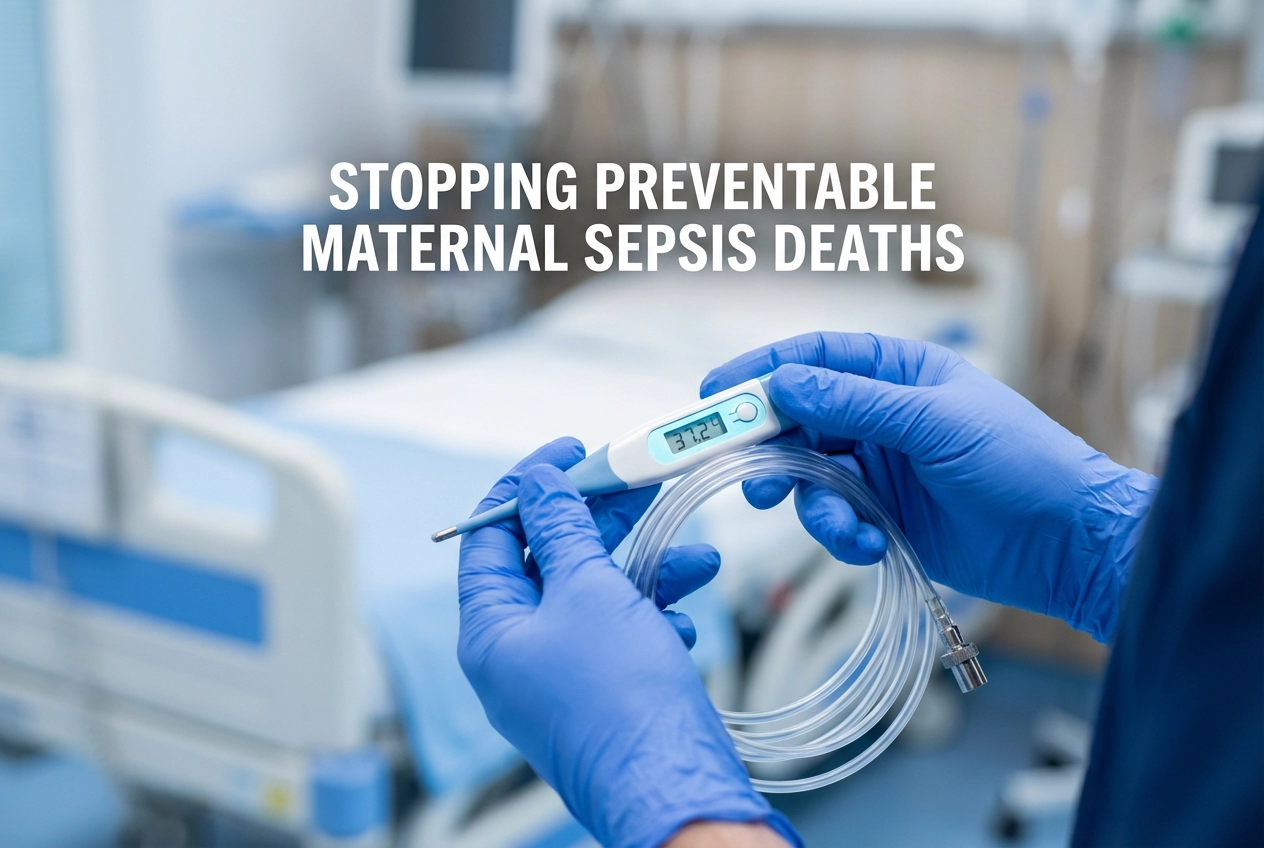
The analysis of pregnancy-related deaths from infection in 29 U.S. states offers critical lessons for global public health initiatives. Researchers identified 91 pregnancy-related infection fatalities between 2017 and 2019. Notably, Maternal Mortality Review Committees (MMRCs) determined that 86.4% of these Maternal Sepsis deaths were preventable. This shocking preventability rate underscores the urgent need for enhanced clinical protocols, particularly in developing nations like India, where sepsis remains a leading cause of maternal mortality. Therefore, reviewing the contributing factors is essential for improving patient outcomes worldwide.
The majority of deaths (69.3%) occurred within 42 days of delivery. Group A streptococci was the most frequent identified pathogen, accounting for 34.0% of cases where the pathogen was known. Consequently, the genital tract was the most frequently identified source of infection (47.9%). The most frequent health care encounter before death was hospitalization (50.7%). Furthermore, most decedents (69.1%) had a health care encounter less than seven days before death, suggesting missed opportunities for early intervention. Genital tract infections and sepsis also account for a significant portion of maternal deaths in the Indian scenario.
The Primary Drivers of Maternal Sepsis Mortality
MMRCs systematically categorized the most frequent factors contributing to these tragic outcomes. The top five classes of factors directly address deficiencies in the healthcare system and provider knowledge. Firstly, clinical skill or quality of care was the most frequent factor (18.6%). Secondly, delay (10.1%) and knowledge deficits (10.1%) were equally significant issues. Consequently, delays may include patients delaying seeking care or, more often, a delay in diagnosis and treatment once the patient is in the hospital. Furthermore, systemic issues like lack of continuity of care (9.6%) and lack of access/financial resources (7.8%) also played a substantial role. In India, factors such as delayed referral, unbooked cases, and lack of aggressive treatment are also consistently cited as key contributors to high maternal sepsis death rates.
Implementing Obstetric Sepsis Protocols for Prevention
Preventing future Maternal Sepsis deaths requires multi-level interventions. MMRC recommendations highlight several clear prevention opportunities. For instance, implementing standardized obstetric sepsis protocols is crucial for prompt recognition and management. Additionally, enhancing patient and clinician knowledge regarding the clinical signs and symptoms of serious infections will reduce diagnostic delays. Consequently, facilities must improve care coordination within and across healthcare systems, addressing the lack of continuity identified in the reviews. The overall maternal mortality ratio (MMR) in India has significantly declined in recent years, but infection-related deaths remain a critical challenge that focused protocols can help overcome. Therefore, adopting an aggressive approach to infection control and early management is paramount for saving lives.
Frequently Asked Questions
Q1: What was the single most common infectious pathogen found in the reviewed deaths?
Group A streptococci was the most frequently identified pathogen, found in 34.0% of cases where a pathogen was confirmed.
Q2: What two systems-level factors, besides clinical skill, were the most frequent contributors to maternal sepsis deaths?
MMRCs determined that ‘delay’ (10.1%) and ‘knowledge’ deficits (10.1%) were the second most frequent contributing factor classes, highlighting critical intervention points.
Q3: What is a key MMRC recommendation to reduce future maternal sepsis deaths?
Key recommendations include improving patient and clinician knowledge about infection symptoms, implementing standardized obstetric sepsis protocols, and enhancing care coordination across healthcare systems.
References
- Joseph NT et al. Pregnancy-Related Mortality Due to Infection: Maternal Mortality Review Committees in 29 U.S. States, 2017-2019. Obstet Gynecol. 2026 Jan 09. doi: 10.1097/AOG.0000000000006172. PMID: 41505755.
- Kumari A, Suri J, Mittal P. Descriptive audit of maternal sepsis in a tertiary care centre of North India. Int J Reprod Contracept Obstet Gynecol. 2017 Dec;6(12):5525-5529. doi: 10.18203/2320-1770.ijrcog20175530.
- UNICEF India. Maternal health. Available at: https://www.unicef.org/india/maternal-health.
- Arora P. Maternal Mortality – Indian Scenario. Med J Armed Forces India. 2005 Jul;61(3):214-8. doi: 10.1016/S0377-1237(05)80103-6.