
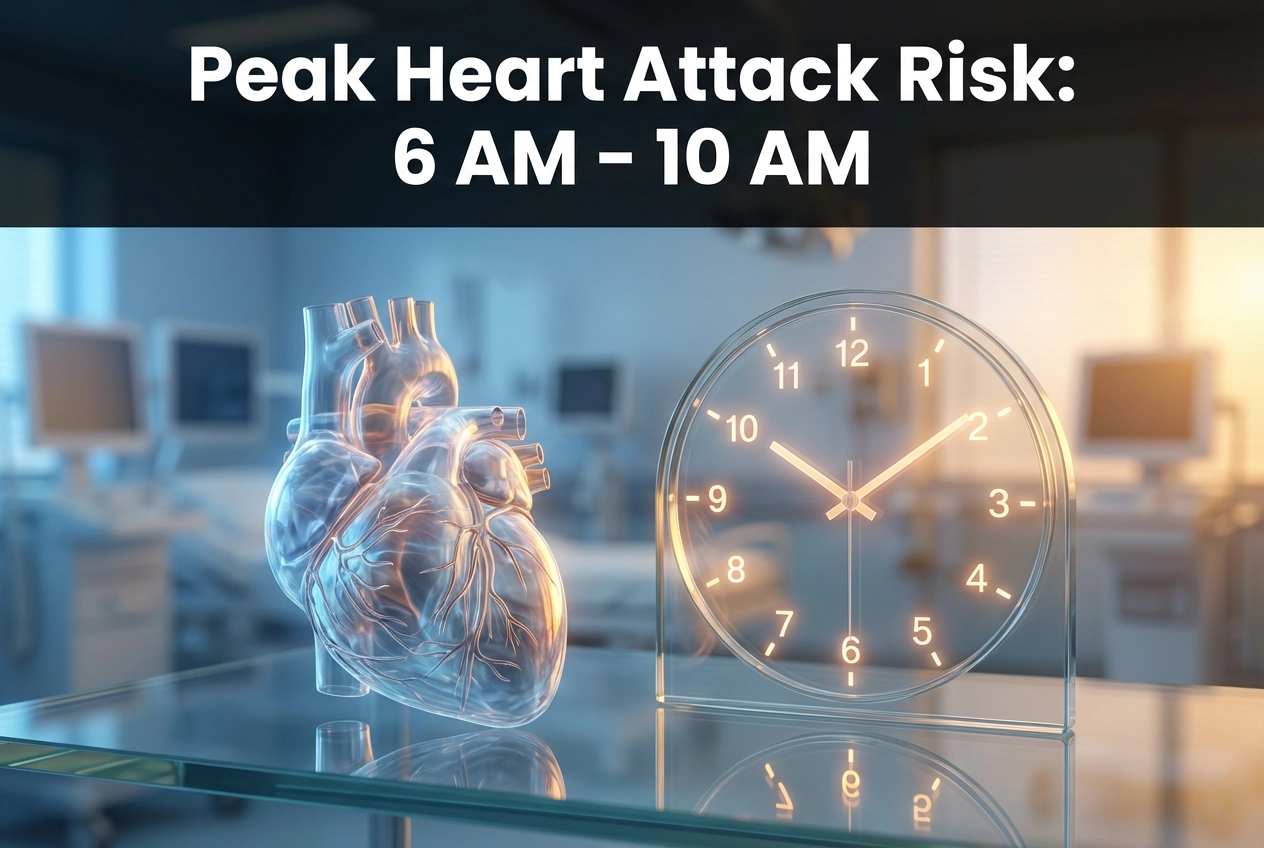
For many individuals, the early hours between 6 AM and 10 AM mark the start of a demanding day. However, this period represents a time of peak vulnerability for the cardiovascular system, consistently showing the highest incidence of heart attacks, strokes, and sudden cardiac events. Therefore, understanding the physiological changes that contribute to this heightened Morning heart risk is critical, particularly for people over 40.
The combination of a natural hormonal surge, a sharp rise in blood pressure, increased clotting factors, and mild dehydration creates a “perfect storm” that strains even a previously stable heart. Consequently, a number of leading cardiologists advocate for specific lifestyle adjustments during this vulnerable window.
The Wake-Up Hormonal Surge
As the body transitions from rest to activity, the internal circadian rhythm triggers the release of stress hormones, primarily cortisol and adrenaline. These hormones are essential for increasing alertness and energy. However, they simultaneously raise the heart rate, constrict blood vessels, and elevate blood pressure. In younger individuals, healthy and responsive blood vessels can easily adapt to these shifts. However, after the age of 40, arteries become stiffer and less flexible. This age-related change makes the cardiovascular system more susceptible to sudden, high-pressure demands, immediately increasing the heart’s workload.
Understanding the Morning Blood Pressure Surge
Blood pressure follows a predictable daily rhythm, naturally dipping during sleep and rising sharply upon waking—a phenomenon known as the “morning surge.” This rapid elevation puts significant stress on the heart and blood vessel walls, especially in patients with existing hypertension or early vascular disease. This spike is dangerous because it can cause atherosclerotic plaque in the coronary arteries to rupture. If a plaque breaks, the body’s repair mechanism triggers clot formation, which can block blood flow to the heart muscle, ultimately leading to a heart attack.
For healthcare professionals looking to manage these critical cardiovascular events, specialized training is invaluable. Understanding the underlying mechanisms can significantly impact patient outcomes in both acute and chronic management, making programs like the International Post Graduate Program In Cardiology highly relevant.
Dehydration and Increased Clotting Factors
Furthermore, the early morning hours present a physiological state that promotes clot formation. After six to eight hours without fluid intake, the body experiences mild dehydration, which reduces plasma volume and consequently thickens the blood. Thicker blood is harder for the heart to pump efficiently. In addition, the body’s clotting mechanisms are naturally more active in the morning; platelet aggregation increases while the natural clot-dissolving activity slows down. Therefore, this pro-clotting state, combined with elevated heart rate and blood pressure, significantly contributes to the higher incidence of cardiac events upon waking.
The Role of Stress and Sudden Exertion
Beyond the internal physiological factors, external stressors add further strain. The psychological rush of the morning—deadlines, traffic, and immediate responsibilities—elevates the stress response. Moreover, activities like lifting heavy objects or engaging in intense exercise without a gradual warm-up immediately after waking can overload the heart. For older individuals with underlying plaque buildup or rhythm vulnerabilities, this sudden exertion or emotional stress can act as the critical trigger, unmasking existing, undiagnosed cardiac disease.
Reducing Your Morning Heart Risk: Simple Steps
Protecting the heart during the 6 AM to 10 AM window does not require drastic changes. In fact, small, consistent habits yield meaningful results. The most straightforward preventive step is to drink a glass of water soon after waking. This simple act helps to quickly restore blood volume and reduce blood viscosity, countering the effects of overnight dehydration. Additionally, patients should avoid sudden or intense physical and emotional stress immediately upon waking. Taking prescribed medications consistently is also crucial; many blood pressure and antiplatelet drugs are specifically timed to blunt the dangerous morning pressure surge. Finally, maintaining good sleep quality and not skipping breakfast further support overall cardiovascular stability.
Practitioners interested in comprehensive risk reduction and preventative strategies concerning the heart can enhance their expertise through focused postgraduate study in Preventative Cardiovascular medicine.
Frequently Asked Questions
Q1: Why is the morning heart risk higher for people over 40?
Age-related changes like arterial stiffening and reduced vessel responsiveness make the cardiovascular system less capable of adapting to the rapid physiological changes of the morning, such as hormonal and blood pressure spikes. Also, undiagnosed conditions like hypertension or prediabetes are common after 40, amplifying the morning risk.
Q2: What is the “morning surge” and why is it dangerous?
The “morning surge” is the natural, rapid increase in blood pressure that occurs when a person wakes up. It is dangerous because the sudden elevation can stress arteries with pre-existing plaque, potentially causing the plaque to rupture. This rupture can then lead to a blood clot, blocking blood flow and causing a heart attack.
Q3: How does dehydration impact the heart in the morning?
After overnight fasting, mild dehydration reduces the plasma volume, thickening the blood. This increased viscosity makes the blood harder for the heart to pump and heightens the tendency for blood clots to form, especially when blood pressure and heart rate are already rising due to stress hormones.
References
- The Morning Rush Effect: Why Your Heart Works Hardest Between 6 AM and 10 AM – ETHealthworld
- Morning Heart Attacks: Understanding the Risk – drgautamnaik.com
- Why Do Most Heart Attacks Happen in the Morning? Here’s the Explanation – emc.id
Disclaimer: This article was automatically generated from publicly available sources and is provided for informational and educational purposes only. OC Academy does not exercise editorial control or claim authorship over this content. It is not a substitute for professional medical advice, diagnosis, or treatment. Always consult a qualified healthcare provider and refer to current local and national clinical guidelines.