
How Pre-Existing Health Conditions Impact Pregnancy Risks
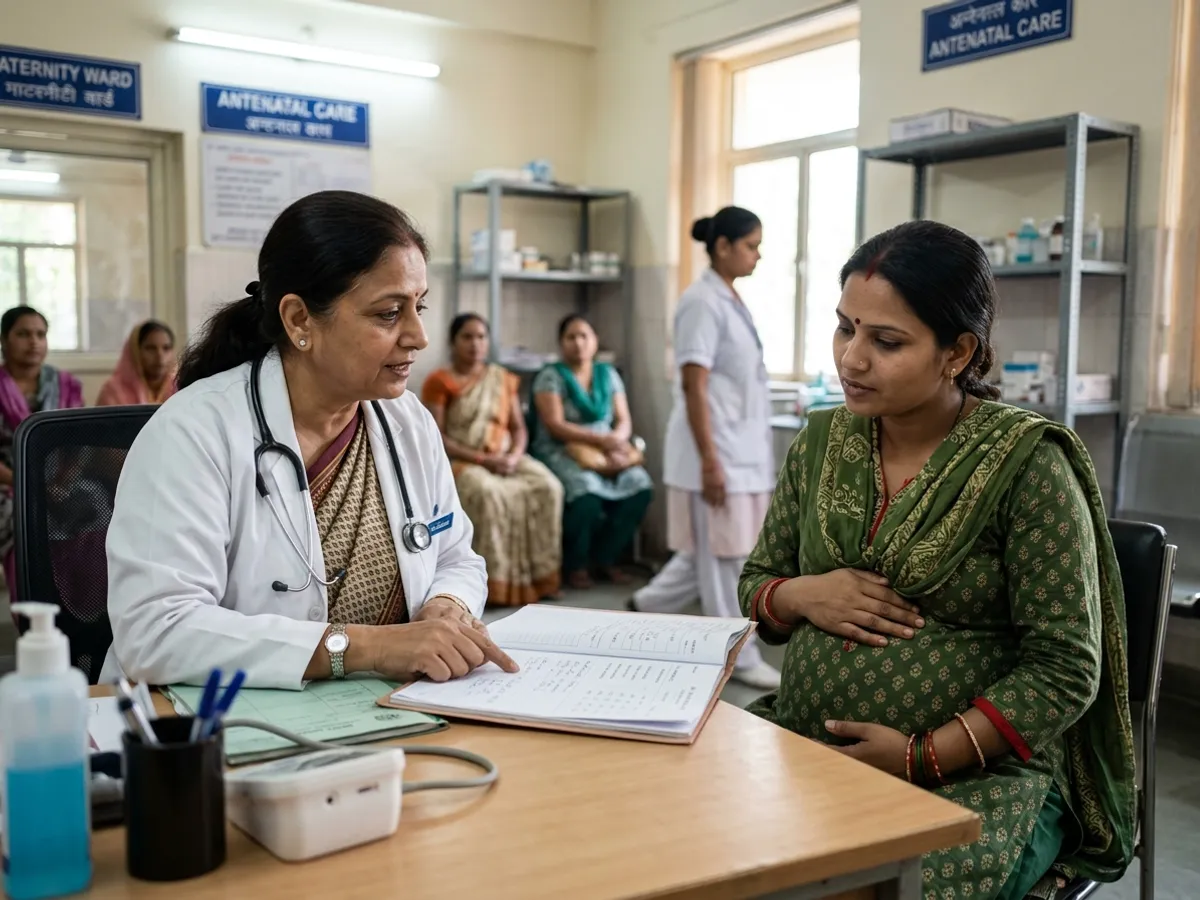
Managing multimorbidity in pregnancy has emerged as a significant clinical challenge in modern obstetric care. A landmark study in The Lancet Public Health shows that pre-existing conditions notably increase maternal complications. Specifically, researchers observed a 20 percent higher risk of miscarriage among affected individuals. Furthermore, these women faced a 69 percent increased risk of severe nausea and hyperemesis.
Maternal Risks Associated with Multimorbidity in Pregnancy
The research analysed more than 2.2 million pregnancies across the United Kingdom between 2000 and 2022. Consequently, the findings provide robust epidemiological evidence regarding co-occurring health conditions. In addition, women with multiple chronic disorders faced more than double the risk of venous thromboembolism. They also experienced a 42 percent higher risk of developing pre-eclampsia.
Moreover, the clinical risks escalated with each additional diagnosis. For instance, women with three or more conditions showed a 3.5-fold higher risk of blood clots. Additionally, rates of gestational diabetes and placental abruption rose substantially.
Impact on Antenatal Mental Health
The study highlighted an alarming surge in psychological distress. In fact, women entering pregnancy with multiple conditions showed a four-fold increase in antenatal anxiety and depression. Therefore, mental health requires equal clinical attention alongside physical health parameters.
Consequently, clinicians must address the compounding burden of psychological distress during routine antenatal visits. Because mental distress often remains underreported, dedicated screening tools are vital.
Clinical Implications for Obstetric and Primary Care
Traditionally, maternity pathways focus on managing single conditions in isolation. However, these findings demonstrate that multimorbidity represents an independent risk factor. Therefore, healthcare systems must adopt integrated, multidisciplinary care models early in gestation.
First, clinicians should identify high-risk women during the initial maternity booking appointment. Next, general physicians, obstetricians, and mental health teams should coordinate their clinical management plans. Ultimately, proactive monitoring can substantially improve both maternal and fetal outcomes.
Frequently Asked Questions
Q1: What are the most common risks linked to multiple chronic conditions during pregnancy?
Women with multiple long-term conditions face higher risks of miscarriage, pre-eclampsia, venous thromboembolism, gestational diabetes, and severe hyperemesis.
Q2: How does multimorbidity affect antenatal mental health?
Research shows that pregnant women with two or more pre-existing conditions experience a four-fold increased risk of antenatal depression and anxiety.
Q3: Why is integrated maternity care recommended for high-risk pregnancies?
Integrated maternity care combines obstetric, primary, and psychiatric expertise to simultaneously address co-occurring physical and mental health issues.
References
- Starting pregnancy with long-term conditions linked with 20 pc highermiscarriage risk: Study - ETHealthworld
- Antenatal outcomes for women with multiple long-term conditions in pregnancy: a UK-wide retrospective cohort study - The Lancet Public Health
- Women with multiple long-term conditions face increased pregnancy risks - King's College London


