Skipping Newborn Vitamin K Raises Severe Bleeding Risk
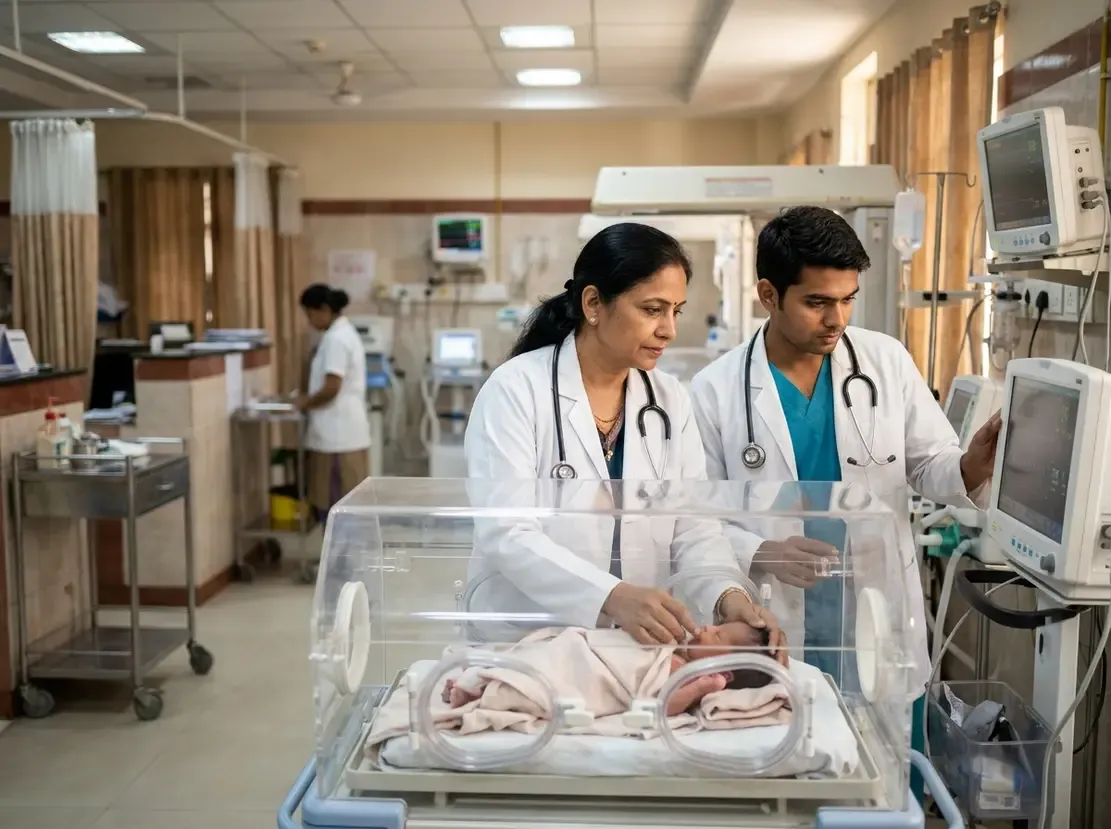
Administering newborn vitamin K shortly after birth prevents life-threatening bleeding episodes during early infancy. However, parental refusal of this essential prophylaxis has increased substantially in recent years. A comprehensive multicenter cohort study evaluated more than 5.2 million infants across the United States. Consequently, researchers discovered alarming increases in both vitamin K refusal and preventable infant bleeding events.
Rising Nonreceipt of Newborn Vitamin K
Historically, clinicians administered intramuscular phytonadione to virtually all newborns to prevent vitamin K deficiency bleeding. Nevertheless, parental hesitancy has risen steadily across delivery units. Between 2017 and 2025, nonreceipt rates climbed from 3.1 percent to 6.8 percent among term and near-term newborns. Therefore, nonreceipt rates more than doubled over this eight-year period. In addition, this growing refusal rate exposes thousands of infants to serious coagulopathies. Clinicians must actively discuss these risks during routine prenatal visits.
Substantial Increase in Severe Bleeding Risks
The study observed significant disparities in hemorrhagic complications between cohorts. Specifically, the total incidence of bleeding by six months reached 394 per 10,000 births in unsupplemented infants. In contrast, infants who received the injection experienced only 221.8 cases per 10,000 births. Furthermore, infants without prophylaxis had a 47 percent higher adjusted risk of overall bleeding. Moreover, unsupplemented infants faced a 143 percent higher risk of intracranial hemorrhage. Intracranial bleeding frequently leads to irreversible neurological impairment or lifelong disability. Additionally, mortality with concurrent bleeding during the initial birth hospitalization was nearly three times higher. Thus, the evidence confirms that skipping prophylaxis creates devastating clinical outcomes.
Clinical Implications for Pediatric Practice
Neonates possess naturally low vitamin K stores due to minimal placental transfer. Moreover, human breast milk contains low concentrations of this essential micronutrient. Consequently, exclusive breastfeeding without supplementation amplifies the risk of late-onset bleeding. Pediatricians and obstetricians must recognize maternal vaccine hesitancy patterns that parallel vitamin K refusal. Therefore, proactive prenatal counseling remains essential to address parental misconceptions and safety concerns. Clinicians should emphasize that a single intramuscular injection provides safe, reliable, and durable protection.
Frequently Asked Questions
Q1: Why do newborns require vitamin K prophylaxis at birth?
Newborns have minimal hepatic stores of vitamin K at birth because placental transfer remains extremely poor. In addition, breast milk provides low vitamin K levels. Therefore, prophylactic administration prevents life-threatening coagulopathies and internal bleeding.
Q2: What specific bleeding risks increase when parents refuse newborn vitamin K?
Infants who miss prophylaxis experience a 47 percent higher risk of bleeding within six months. Furthermore, their adjusted risk of intracranial hemorrhage increases by 143 percent. As a result, these infants also suffer significantly higher in-hospital mortality rates.
Q3: How much has newborn vitamin K refusal increased recently?
Data from over five million births demonstrated that nonreceipt rates more than doubled between 2017 and 2025. Specifically, refusals rose from 3.1 percent to 6.8 percent across delivery hospitals. Consequently, public health leaders urge clinicians to initiate early discussions during antenatal care.
References
- Scott K et al. Nonreceipt of Newborn Vitamin K and Risk of Bleeding. JAMA. 2026 Nov 05. doi: 10.1001/jama.2026.21764. PMID: 42986716.
- Hand I, Noble L, Abrams SA; AAP Committee on Fetus and Newborn, Section on Breastfeeding, Committee on Nutrition. Vitamin K and the Newborn Infant. Pediatrics. 2022;149(3):e2021056036. doi: 10.1542/peds.2021-056036.
- Ng E, Loewy AD; Canadian Paediatric Society. Guidelines for vitamin K prophylaxis in newborns. Paediatr Child Health. 2018;23(6):394-397. doi: 10.1093/pch/pxy061.