
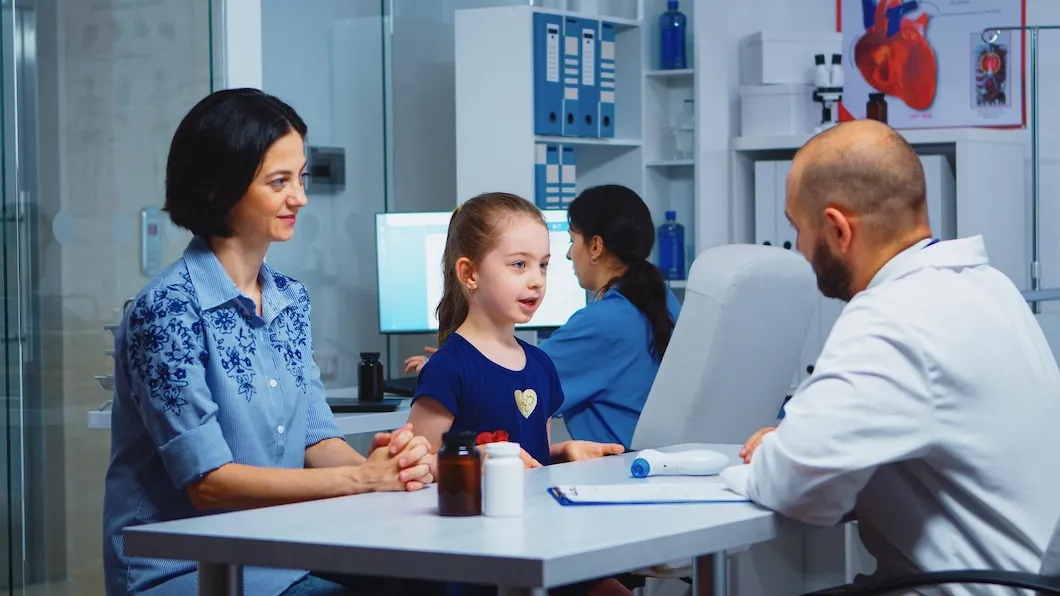
Paediatrics remains one of the most critical fields of medicine, catering to the needs of the neonate, infant, child, and adolescent. In India, there is a growing need for specialists with high-level training in child health due to reasons like neonatal mortality, chronic malnutrition, infectious disease burden, and rising incidence of paediatric oncology and congenital cardiac conditions. Globally, too, the field has expanded to address genetic disorders, developmental conditions, and adolescent health.
For MBBS graduates aspiring to specialise, fellowships in paediatrics offer structured pathways to advanced clinical expertise. However, navigating the options requires careful consideration. This article provides an evidence-based overview of fellowship programmes in paediatrics, with a focus on what doctors should look for before enrolling.
What is a Paediatric Fellowship?
A paediatric fellowship is a structured postgraduate training programme designed to provide subspecialty skills in child health. These fellowships take between one and two years and serve to bridge the gap between general paediatrics and higher subspecialisation. Unlike an MD in Paediatrics, which provides broad training, fellowships focus on a specific area such as neonatology or paediatric neurology.
Why Pursue a Fellowship in Paediatrics?
The rationale for undertaking a paediatric fellowship after MBBS or MD is clear. These programmes improve clinical skills, give concentrated exposure to challenging cases, and enable physicians to gain expertise in subspecialty practice. They also promote multidisciplinary collaboration, ensuring trainees gain experience working alongside intensivists, surgeons, and allied health professionals in child health units.
The Changing Landscape of Child Health in 2025
India brings special challenges to paediatrics. Infant and neonatal mortality continue to be issues, even with better maternal and child health indices. The rise of lifestyle-related disorders, such as childhood obesity and early-onset diabetes, adds complexity to clinical practice. Meanwhile, paediatric oncology and cardiology are gaining prominence with advances in survival rates and early detection.
Globally, the spectrum of child health has widened. Greater attention is being given to rare genetic syndromes, neurodevelopmental disorders such as autism, and adolescent medicine, reflecting shifts in healthcare priorities. This changing environment emphasises the necessity of fellowship programs that meet national and international child health demands.
Types of Fellowship Programmes in Paediatrics
Clinical Paediatrics Fellowship Options
Clinical fellowships remain the most sought-after pathways. Popular specialisations include neonatology, paediatric critical care, paediatric cardiology, paediatric oncology, and paediatric neurology. Each offers in-depth exposure to specialised units, from neonatal intensive care units (NICUs) to paediatric oncology centres, and equips doctors with advanced management skills for complex cases.
Research-Oriented Fellowships
For those inclined towards academia, research-oriented fellowships in paediatrics provide training in clinical epidemiology, translational medicine, and child health research. These are often integrated within academic institutions and prepare doctors for careers in teaching, policy, and global health.
Hybrid or Multidisciplinary Programmes
Certain programmes integrate clinical practice with research and educational duties. These fellowships are especially beneficial for physicians who want to have careers in academic medicine, where patient care, education, and research interact.
Key Factors to Evaluate When Choosing a Fellowship
Accreditation and Recognition
The credibility of a fellowship is closely tied to its accreditation. Doctors should prioritise programmes recognised by national medical councils or international institutions. UK- or US-affiliated programmes carry additional value for those considering global opportunities.
Clinical Exposure and Training Quality
A high-quality fellowship is defined by its patient mix, clinical volume, and diversity of cases. Training must expose individuals to acute and chronic paediatric conditions in specialised units, including NICUs, PICUs, and oncology wards.
Faculty and Mentorship
The calibre of faculty is important. Access to experienced mentors and structured supervision ensures that fellows receive both technical training and guidance in clinical decision-making.
Research and Academic Opportunities
Strong programmes provide research, publication, and conference opportunities. Academic activity augments career development and supports the field’s progress in child health practice.
Career Outcomes
Prospective fellows should assess the track record of a programme in terms of placements, career progression, and international recognition. A fellowship should not only equip with clinical skills but also lead to subspecialisation, academic, and leadership opportunities in child health.
Career Pathways After a Paediatric Fellowship
Clinical Careers in India
Fellowship-trained paediatricians are in demand across tertiary hospitals, children’s hospitals, and private super-speciality centres. There is a significant need for specialists in neonatology and paediatric critical care, particularly in urban settings. Rural areas, on the other hand, continue to be underserved and have opportunities for professionals who are willing to narrow healthcare gaps.
Academic and Research Careers
Fellowships also prepare doctors for academic roles in teaching hospitals and medical colleges. Beyond clinical practice, paediatricians can engage in translational research, policy development, and public health initiatives. This integration of clinical and academic pathways strengthens both individual careers and the wider health system.
Global Opportunities
Globally, fellowship-trained paediatricians are sought after in regions where child health expertise is critical. However, doctors planning to practise abroad must be mindful of licensing requirements, equivalency examinations, and credential recognition. With the growing focus on international collaboration, opportunities for cross-border research and training are expanding.
Upskilling Opportunities Beyond Fellowships
Not all doctors are able to secure fellowship seats in India, and many continue to seek ways of enhancing their expertise. In such cases, structured academic programmes offer meaningful alternatives. These allow doctors to pursue advanced training in child health while continuing clinical practice.
Internationally recognised paediatric specialisation courses for doctors provide flexible pathways, including certifications, diplomas, and even MSc-level study. These courses complement rather than replace fellowship training, offering exposure to global standards, updated clinical knowledge, and evidence-based practice. For practitioners seeking to enhance their academic profile or explore subspecialty domains, these courses provide valuable professional development opportunities.
Options such as the Postgraduate Diploma in Paediatrics and Child Health illustrate how doctors can consolidate core knowledge while continuing active clinical work.”
Common Challenges and Misconceptions
A frequent misconception is that fellowships are merely a second option for those unable to secure an MD in Paediatrics. In reality, fellowships are designed to provide focused subspecialty training and are highly valued within the medical community.
Another challenge is the limited number of fellowship seats available in India compared to the demand. This often results in intense competition, making it essential for doctors to prepare thoroughly for entrance assessments and interviews. Financial considerations, stipends, and workload during training also need to be weighed carefully.
Despite these hurdles, well-chosen fellowships significantly enhance career prospects, particularly when supported by strong clinical exposure and academic opportunities.
Conclusion
Fellowships in paediatrics represent an important step in shaping the future of child health in India and beyond. They provide advanced clinical exposure, subspecialty expertise, and academic engagement that extend far beyond the scope of general paediatrics.
For doctors considering a paediatric fellowship after MBBS, the decision should rest on careful evaluation of accreditation, training quality, mentorship, and career outcomes. Beyond traditional fellowships, structured academic pathways also exist to help doctors pursue advanced training in child health, ensuring flexibility and global relevance.
Ultimately, the choice of fellowship is not simply about career advancement but about contributing meaningfully to the care of children and adolescents in a rapidly evolving healthcare landscape.
FAQs
1. How long does a paediatric fellowship usually last?
Most paediatric fellowships run for one to two years, depending on the institution and subspecialty. Programmes with a strong clinical or research component may extend slightly longer, particularly if they involve dissertation work or multi-disciplinary rotations.
2. What subspecialties are available within paediatric fellowships?
Subspecialties include neonatology, paediatric critical care, paediatric cardiology, paediatric oncology, and paediatric neurology. Each offers focused training in managing complex conditions and often requires work in specialised units such as NICUs, PICUs, or paediatric oncology wards.
3. What are the eligibility criteria for a paediatric fellowship in India?
Generally, candidates must hold an MBBS with postgraduate training such as MD or DNB in Paediatrics. Some fellowships may also accept applicants with significant clinical experience in child health. Selection is competitive and often involves entrance examinations and interviews.
4. How do paediatric fellowships differ from an MD in Paediatrics?
An MD provides broad-based training in general paediatrics, covering a wide spectrum of child health. A fellowship, in contrast, is subspecialty-focused and equips doctors with advanced skills in a defined area such as neonatology or paediatric cardiology. Fellowships are typically pursued after an MD to refine expertise.
5. What career opportunities open up after completing a paediatric fellowship?
Graduates of paediatric fellowships can pursue careers in tertiary care hospitals, children’s hospitals, and super-speciality centres. They may also take up academic roles in medical colleges, engage in translational or public health research, or seek opportunities abroad where trained subspecialists in child health are in demand.