
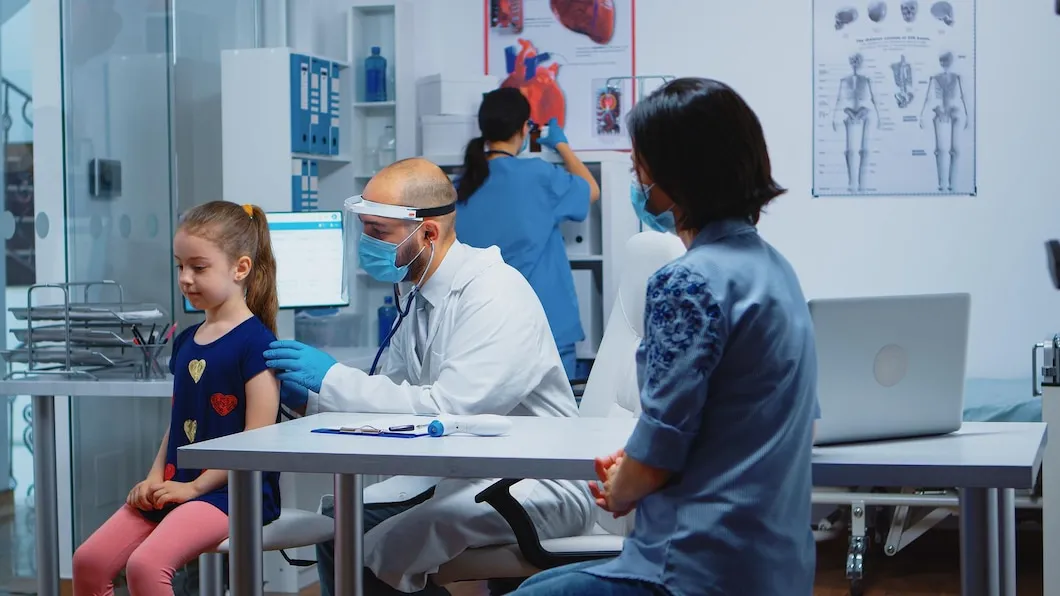
Paediatrics has been a backbone of health care for a long time, but pressures on the practitioner are increasing. In India, neonatal mortality, chronic malnutrition, and the rising burden of paediatric oncology and congenital conditions place immense pressure on doctors to provide advanced child health care. At the same time, traditional training routes, MD/DNB programmes or multi-year fellowships, remain highly competitive, lengthy, and often geographically restrictive.
Against this backdrop, one-year, blended paediatric programmes are emerging as a practical and academically credible solution. Such courses integrate digital learning with formalised clinical exposure, enabling practising physicians to gain fellowship-level expertise without forsaking their current commitments. This article discusses how such programmes are transforming postgraduate child health training, their benefits, drawbacks, and how they can equip doctors to face the future of paediatrics.
The Need for Flexible Paediatric Training
The clinical realities of child health in India underscore the urgency of expanding specialist training. Despite significant progress in maternal and child health, India continues to face some of the world’s highest neonatal and infant mortality rates. Conditions such as malnutrition, infectious diseases, and paediatric emergencies remain widespread, while newer challenges, including early-onset diabetes and adolescent mental health, are adding to the clinical burden.
Traditional fellowships and postgraduate seats in paediatrics are limited. Competition for DM and DNB positions is fierce, and securing a place often involves years of preparation. Furthermore, relocation to urban tertiary centres is not always feasible for doctors with ongoing clinical responsibilities. This has led to increasing demand for structured paediatric courses for doctors that provide both academic depth and practical applicability, but in a format that is more flexible than conventional residencies.
What Are Blended Paediatric Programmes?
Paediatric blended learning combines online academic modules with hospital-based training, supervised by tutors. Typically lasting nine to twelve months, these programmes use digital lectures, case-based discussions, and simulations to build a strong theoretical foundation, which is reinforced through clinical postings or observerships in accredited hospitals.
Traditional fellowships in paediatrics generally span two to three years, are full-time, and require physical presence at a training centre. Entry is tightly restricted, with few seats available. In contrast, one-year blended programmes are designed for practising MBBS/MD doctors, offering hybrid schedules that allow continued engagement in clinical practice. They focus on enhancing skills rather than replacing statutory postgraduate pathways, making them a form of continuing professional development.
Key Advantages of One-Year Blended Programmes
Accessibility
Blended paediatric programmes are accessible to a larger group of applicants compared to fellowships that have a few seats available. This improves access for doctors based outside metropolitan centres and allows them to pursue advanced learning without interrupting their practice.
Flexibility
The online components enable learners to work at their own speed, fitting study around clinical commitments. Busy practitioners appreciate the flexibility, which eliminates one of the chief deterrents to postgraduate training.
Clinical Integration
Despite being short-term, these programmes include supervised postings in neonatal intensive care units (NICUs), paediatric intensive care units (PICUs), or speciality wards. Case-based simulations and mentor-led clinics provide practical reinforcement of theoretical knowledge, ensuring that skills are not confined to the classroom.
Career Relevance
One-year blended programmes equip doctors with targeted subspecialty competence. For clinicians in secondary-care settings, where paediatric expertise is often in short supply, these skills can make a significant difference in practice quality and career development.
Common Domains Covered in Blended Paediatric Programmes
Although content may vary by institution, most blended paediatric programmes cover domains aligned with common clinical needs, which include:
- Neonatology and newborn care, with emphasis on resuscitation, preterm care, and growth monitoring.
- Paediatric emergency and critical care, including stabilisation, triage, and intensive management.
- Growth, nutrition, and developmental disorders are critical.
- Paediatric infectious diseases, with a focus on antimicrobial stewardship and emerging viral conditions.
- Adolescent medicine and chronic disease management are consistent with global trends in non-communicable disease.
Some short-term qualifications, such as the Postgraduate Diploma in Paediatrics and Child Health, provide a structured way to cover these domains while allowing doctors to remain in active practice.
How to Evaluate a Blended Paediatric Programme
Accreditation and Institutional Backing
Credibility is crucial. Programmes with connections to recognised universities or international institutions are more highly regarded, particularly for physicians contemplating international opportunities.
Balance of Online and Clinical Training
Quality programmes provide a proper supplement of online theory with supervised hospital experience. Skill transfer is incomplete in the absence of hands-on training.
Faculty and Mentorship
Availability for discussion, feedback, and case mentoring by senior paediatricians is necessary. Mentorship converts blended programmes into active training from passive learning.
Assessment and Certification
Rigorous evaluation through exams, case presentations, or portfolio assessments enhances the value of certification and demonstrates accountability in learning outcomes.
Doctors seeking an overview of options can refer to structured paediatrics courses for doctors, which catalogue multiple pathways aligned with international benchmarks.
Career Pathways After Short-Term Paediatric Specialisation
Clinical Application
Graduates of one-year paediatric fellowship programmes can apply their enhanced skills in secondary and tertiary hospitals. Many are able to establish paediatric units in underserved districts or lead services such as neonatal care or paediatric emergency.
Academic and Research Engagement
Blended courses give the platform to physicians looking to switch to research or teaching. Being exposed to systematic curricula tends to encourage participants to get involved in clinical trials, epidemiological research, or policy work.
Global and Private Sector Opportunities
In private healthcare systems, short-term paediatric specialisation is increasingly valued. International collaborations and NGOs also recognise the need for clinically upskilled practitioners, particularly in paediatric infectious diseases and neonatal care.
Limitations and Challenges of Blended Paediatric Training
It is important to note that blended programmes cannot substitute statutory degrees such as MD/DNB Paediatrics or long-term fellowships. Recognition varies across institutions, and the quality of training can differ significantly between providers. Clinical exposure may also be less intensive than in a full-time residency. For this reason, careful selection of academically credible programmes with integrated hospital training is essential.
The Future of Paediatric Upskilling in India
Hybrid and blended models are likely to play an increasingly central role in postgraduate medical education. By leveraging digital platforms, these programmes make advanced child health training more scalable and accessible. They also complement traditional fellowships by addressing the skill gaps faced by practising doctors who cannot commit to multi-year residencies.
Advanced academic routes, such as the MSc in Paediatrics and Child Health, illustrate how globally benchmarked curricula are now being delivered in flexible formats, bridging clinical needs with academic rigour.
Conclusion
Blended paediatric programmes represent a significant evolution in postgraduate medical training. In just one year, they allow MBBS and MD doctors to acquire fellowship-level skills, combining the advantages of online learning with structured clinical exposure. While they cannot replace formal postgraduate qualifications, they fill an important gap for doctors seeking to strengthen their expertise, expand career opportunities, and contribute more effectively to child health services.
As India continues to face high child health burdens, such short-term paediatric specialisation pathways will be instrumental in preparing the next generation of clinicians. For doctors committed to advancing their practice, these programmes are more than an academic option; they are a practical response to the realities of modern paediatrics.
FAQs
1. What is meant by a blended paediatric programme?
A blended paediatric programme combines online theoretical learning with supervised clinical exposure in hospital settings. It allows doctors to engage with academic modules, case discussions, and simulations while also gaining practical experience in units such as NICUs or PICUs. This hybrid format is designed to balance flexibility with clinical applicability.
2. How do one-year blended programmes differ from traditional paediatric fellowships
Traditional fellowships typically last two to three years, require full-time attendance, and have limited availability through competitive entry. One-year blended programmes, in contrast, adopt a hybrid format that integrates digital learning with shorter clinical postings, making them accessible to practising doctors who cannot commit to extended residencies.
3. Which clinical areas are usually covered in blended paediatric training?
While content varies by institution, most programmes address core domains such as neonatology, paediatric critical care, infectious diseases, growth and nutrition, developmental disorders, and adolescent medicine. The curriculum is usually competency-based to ensure relevance to real-world practice.
4. Can blended paediatric programmes replace statutory postgraduate qualifications?
No. Blended programmes are intended as structured professional development and skill enhancement. They cannot substitute statutory pathways such as MD or DNB Paediatrics, which are required for independent speciality practice. Instead, they complement formal degrees by providing focused subspecialty training.
5. What career benefits can doctors expect after completing a short-term paediatric specialisation?
Doctors who complete short-term specialisation programmes are often able to apply enhanced skills in secondary and tertiary hospitals, lead clinical units in underserved regions, and strengthen their academic or research portfolios. These programmes are particularly valuable for practitioners seeking to expand their scope of child health services without leaving ongoing clinical commitments.