
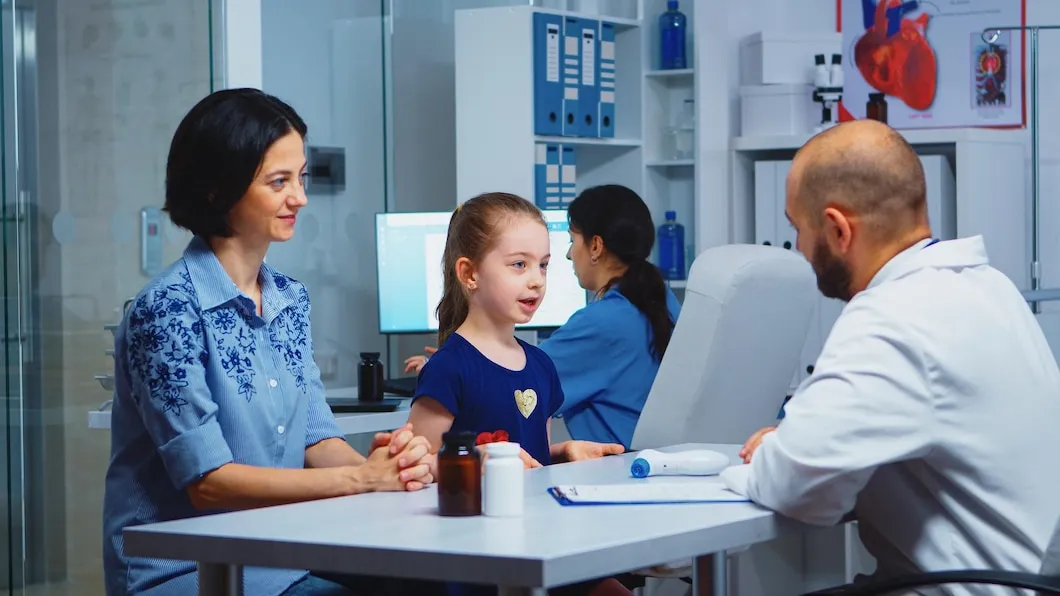
Paediatrics has traditionally been one of the most prestigious and essential branches of medicine, focusing on the health and development of infants, children, and adolescents. The choice for MBBS graduates in India to enter the profession of paediatrics is frequently based on both clinical fascination and increasing demand for child health experts throughout the healthcare system. In contrast to adult medicine, paediatrics includes prevention as well as treatment, monitoring of growth and development, and family-centred care. The pathway is therefore intellectually demanding yet deeply rewarding, offering doctors the chance to impact lives from the earliest stages.
As the Indian healthcare landscape evolves, the scope of paediatrics is expanding beyond traditional hospital roles into research, policy, public health, and specialised academic training.
This article examines the multiple career trajectories available, the academic routes that support them, and the opportunities that exist both domestically and internationally.
The Conventional Path: Becoming a Paediatrician
For most doctors in India, the conventional paediatric career pathway begins with an MBBS degree, followed by entry into postgraduate training through competitive national examinations. Admission is secured via NEET-PG or INI-CET, which determines eligibility and seat allocation across medical colleges and teaching hospitals.
The two primary postgraduate routes are:
- MD (Paediatrics): A three-year residency programme recognised by the National Medical Commission (NMC), offering structured academic teaching and comprehensive clinical training across all areas of child health.
- DNB (Paediatrics): A three-year programme conducted under the National Board of Examinations (NBE), considered equivalent in scope and recognition to the MD. Training is often undertaken in private or non-university-affiliated hospitals.
Training in paediatrics is rigorous, combining advanced academic instruction with hands-on exposure to neonatal and paediatric emergencies, intensive care, infectious diseases, congenital and immunological conditions, and developmental medicine. Beyond acute management, paediatricians are also central to preventive care, including immunisation programmes, nutrition counselling, growth monitoring, and family health education.
Regulatory oversight by the NMC and NBE ensures that curriculum standards, examination rigour, and residency structures remain consistent nationwide. Successful completion of an MD or DNB in Paediatrics qualifies doctors to practise independently in India and serves as a foundation for further subspecialisation or internationally recognised fellowship opportunities.
Scope of Paediatrics in India
The practice of paediatrics in India has grown immensely in the last several decades, influenced as much by demographic considerations and the shifting pattern of disease burden. With one of the world’s highest birth rates, coupled with large-scale child health initiatives, there remains a persistent demand for qualified paediatricians across the country.
Paediatric practice today extends far beyond routine clinical care. Doctors may work in government and private hospitals, community clinics, non-governmental organisations, schools, or public health programmes, reflecting the breadth of opportunities available. Programmes such as the Rashtriya Bal Swasthya Karyakram (RBSK) and national immunisation initiatives continue to rely heavily on paediatric expertise, particularly in preventive and community-oriented child health.
At the same time, the rise of paediatric subspecialties has created new avenues for professional development. Areas such as neonatology, paediatric cardiology, oncology, endocrinology, emergency medicine, and critical care are in growing demand, supported by the establishment of super-speciality centres within tertiary hospitals. These enable physicians to specialise in narrowly defined areas of child health.
For those pursuing an academic track, advanced qualifications such as a postgraduate diploma in paediatrics or an MSc in Paediatrics and Child Health provide structured opportunities to deepen knowledge while maintaining clinical practice. This combination of clinical, public health, and academic roles ensures that paediatrics remains one of the most dynamic and impactful medical career options in India.
Alternative Academic Certifications & Global Qualifications
Although MD and DNB are still the main postgraduate credentials in paediatrics, other certifications and foreign routes are becoming more and more important in the current globalised healthcare landscape. These qualifications allow Indian doctors to align with international standards, broaden career opportunities, and strengthen competitiveness in academic and clinical settings abroad.
A key example is the MRCPCH (Membership of the Royal College of Paediatrics and Child Health, UK), widely regarded as a gold standard in paediatric training. Achieving MRCPCH demonstrates proficiency in paediatric knowledge and clinical skills at a level recognised across many healthcare systems worldwide. For Indian doctors, structured preparation is often facilitated through academic fellowships that combine clinical exposure with exam-focused training. The Clinical Fellowship in Paediatrics with MRCPCH Training exemplifies this approach, offering candidates both practical grounding and mentorship aligned with international frameworks.
These international qualifications not just open up employability but also equip doctors with the potential to take up paediatric research, teaching, and leadership roles across borders.
Emerging Opportunities Beyond Traditional Practice
Paediatric practice now covers much more than broad hospital-based general roles, with new subspecialties presenting target careers for MBBS and MD graduates. These new fields integrate clinical need with formal academic training, presenting varied opportunities for professional growth.
1. Paediatric Emergency Medicine
The formal recognition of child-specific acute care has created a greater need for specialists who can deal with critical illness, trauma, and emergency situations in children. Structured programmes, including the Diploma in Paediatric Emergency Medicine, provide formal training in resuscitation, intensive care protocols, and emergency interventions.
2. Paediatric Neurology
Neurodevelopmental disorders, cerebral palsy, and epilepsy are on the rise in India, thereby creating pressure for paediatric neurology specialists. Academic pathways such as the Postgraduate Programme in Paediatric Neurology offer clinicians structured training in managing neurological disorders from infancy through adolescence.
3. Paediatric Endocrinology and Diabetes Care
With Type 1 and Type 2 diabetes now presenting more frequently in children, there is a growing need for doctors who can provide long-term management and preventive interventions. Targeted learning opportunities such as the Certificate Course in Managing Paediatric Type 2 Diabetes help clinicians address this emerging area of paediatric endocrinology.
4. Paediatric Radiology
Advances in diagnostic imaging have turned paediatric radiology into a specialised and separate branch of medicine. The specialist needs not only technical skills but also knowledge about child pathologies. Academic opportunities, including the Paediatric Radiology Course, support doctors seeking focused training in imaging techniques tailored to paediatric populations.
5. Paediatric Anaesthesia
Children who are undergoing surgery or diagnostic interventions need highly specialist anaesthetic care, considering their special physiology and vulnerability. Formal course, such as the Certificate Course in Paediatric Anaesthesia, enables clinicians to develop expertise in safe and effective perioperative management.
6. Global Health and Policy
Paediatricians with an interest in epidemiology, child rights, or international health policy are increasingly collaborating with global organisations such as UNICEF and WHO.
These pathways highlight how paediatrics extends beyond bedside care into leadership, technology, and advocacy.
Challenges and Considerations for Paediatric Career Aspirants
While paediatrics offers diverse and rewarding opportunities, doctors must be prepared for certain challenges:
Emotional Demands: Caring for children and their families requires deep patience, empathy, and resilience. The responsibility of treating critically ill infants or managing chronic paediatric conditions can be emotionally intense and at times overwhelming.
Academic Investment: Advancing in paediatrics, particularly through subspecialties, often demands several additional years of study. In many cases, this may involve training abroad and a significant financial commitment, which can be a barrier for some practitioners.
Competition and Accessibility: Access to top programmes like MD Paediatrics or internationally respected certificates like MRCPCH is very competitive. Limited seat availability, combined with rigorous examination processes, makes accessibility a considerable challenge.
Work–Life Balance: Paediatricians often have unconventional working hours, particularly in neonatal intensive care and emergency medicine. The intensity of such roles often makes balancing personal responsibilities with professional duties an ongoing struggle.
These realities highlight the need for careful consideration, preparation, and self-awareness before committing to a paediatric career pathway.
Conclusion
Paediatrics remains one of the most dynamic and impactful career options for doctors in India. From conventional hospital-based practice to specialised subspecialties, and from public health initiatives to academic teaching, the career opportunities available today are more diverse than ever.
For MBBS graduates, the decision to specialise in paediatrics must balance passion, long-term goals, and practical considerations. While the MD or DNB remains the central pathway, alternative routes such as diplomas, fellowships, and international certifications provide flexibility and global recognition. Structured programmes such as the MRCPCH fellowship or short-term certificate courses allow doctors to progressively build expertise without compromising clinical practice.
Those interested in exploring the breadth of academic opportunities can review the range of paediatrician courses available, which highlight pathways in both clinical and academic domains.
Ultimately, the field of paediatrics is widening in India and across the world, making it a rewarding field for doctors seeking to combine scientific rigour with compassionate care. By adopting changing opportunities and achieving appropriate qualifications, doctors can provide effective and long-lasting contributions to children’s health.
Frequetly Asked Questions (FAQs)
1. Is paediatrics a good career option after MBBS in India?
Yes. Paediatrics is a versatile speciality with varied opportunities from hospital-based practice and community health to subspecialties such as neonatology, emergency care, and endocrinology. There is an increasing need for trained paediatricians owing to India’s huge child population and growing healthcare infrastructure.
2. What skills are important for a successful career in paediatrics?
Along with strong clinical knowledge, paediatricians require patience, empathy, communication skills, and the ability to manage both acute and chronic conditions. Resilience and adaptability are also important, given the emotional demands of caring for children and families.
3. What is the difference between paediatrics and general medicine?
While general medicine focuses on the health of adults, paediatrics is dedicated to infants, children, and adolescents. It not only addresses medical treatment but also preventive care, growth monitoring, developmental assessment, and family-centred support.
4. Are there research and academic opportunities in paediatrics?
Yes. Paediatrics offers significant opportunities for research in areas such as immunisation, child nutrition, infectious diseases, and developmental health. Doctors may also pursue academic careers as teachers or mentors in medical colleges and training institutions.
5. What are the common challenges faced by paediatricians?
Paediatricians often face irregular work hours, high emotional involvement in patient care, and competition for advanced training opportunities. Balancing professional duties with personal commitments is a recurring challenge, especially in subspecialties such as emergency medicine and neonatal care.