
The Evolution of Limb Salvage in Pediatric Oncology
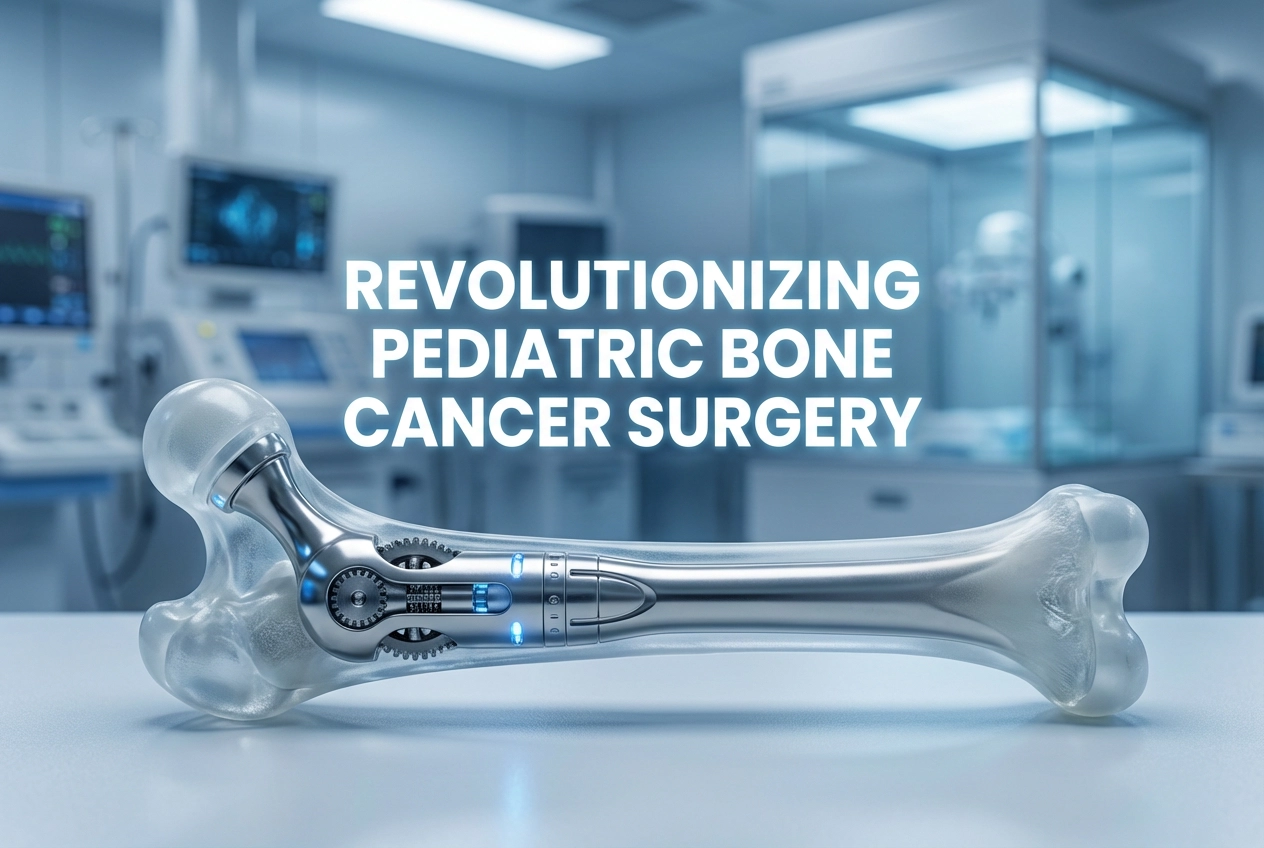
Pediatric bone cancer treatment is witnessing a significant paradigm shift. The introduction of Pediatric Growing Implants allows clinicians to maintain limb symmetry as a child matures. Historically, surgeons faced challenges with static prostheses that resulted in limb length discrepancies. However, modern oncological care now prioritizes both cancer eradication and functional restoration. Specialists in India are increasingly adopting these dynamic solutions to improve long-term outcomes for young patients. For specialists looking to deepen their expertise in this area, advanced studies in Orthopaedic Trauma Science or specialized oncology training is highly beneficial.
Why Surgeons Prefer Pediatric Growing Implants
Children’s bones grow continuously until they reach skeletal maturity. Consequently, a standard implant quickly becomes too short for a growing patient. This disparity often leads to gait abnormalities and severe secondary orthopedic issues. Doctors previously addressed this by performing multiple invasive surgeries to replace or extend hardware. In contrast, growing implants provide a dynamic solution that expands alongside the natural bone. Specifically, these devices help maintain the delicate balance of the musculoskeletal system during critical growth phases. Understanding the broader context of orthopedic challenges is essential, and pursuing the International Post Graduate Program In Orthopedics can provide comprehensive knowledge.
Magnetic Remote-Control Advancements
Recent technological leaps have introduced magnetic mechanisms into these advanced devices. For instance, some modern implants utilize an external remote control to trigger expansion. This non-invasive approach eliminates the trauma associated with repeated surgical interventions. Furthermore, surgeons can perform these adjustments in an outpatient setting without the need for general anesthesia. Therefore, the child experiences significantly less pain and a faster return to daily activities. This innovation represents a major step forward in reducing the surgical burden on pediatric cancer survivors. Mastering the nuances of anesthesia management in vulnerable populations, like children, is crucial, making the Certification Course In Pediatric Anesthesia highly relevant.
Frequently Asked Questions
Q1: How often do Pediatric Growing Implants require lengthening?
Generally, doctors perform adjustments every six months to match the child’s natural growth rate until they reach roughly 13 years of age.
Q2: Is the magnetic lengthening process painful for the child?
Moreover, the remote-controlled magnetic expansion is typically painless and occurs without the need for any additional incisions or invasive surgery. Professionals specializing in child health can benefit from furthering their knowledge through the Certification Course In Paediatrics.
References
- ‘Growing implant’ in child bone cancer patients emerging as new treatment – ETHealthworld
- Growing Without Pain: The Noninvasive Expandable Prosthesis is Boon for Children with Bone Cancer – National Institutes of Health (PMC)
- Noninvasive Expandable Endoprosthesis Use in Post-Sarcoma Limb Reconstruction – Pediatrics Nationwide
Disclaimer: This article was automatically generated from publicly available sources and is provided for informational and educational purposes only. OC Academy does not exercise editorial control or claim authorship over this content. It is not a substitute for professional medical advice, diagnosis, or treatment. Always consult a qualified healthcare provider and refer to current local and national clinical guidelines.