
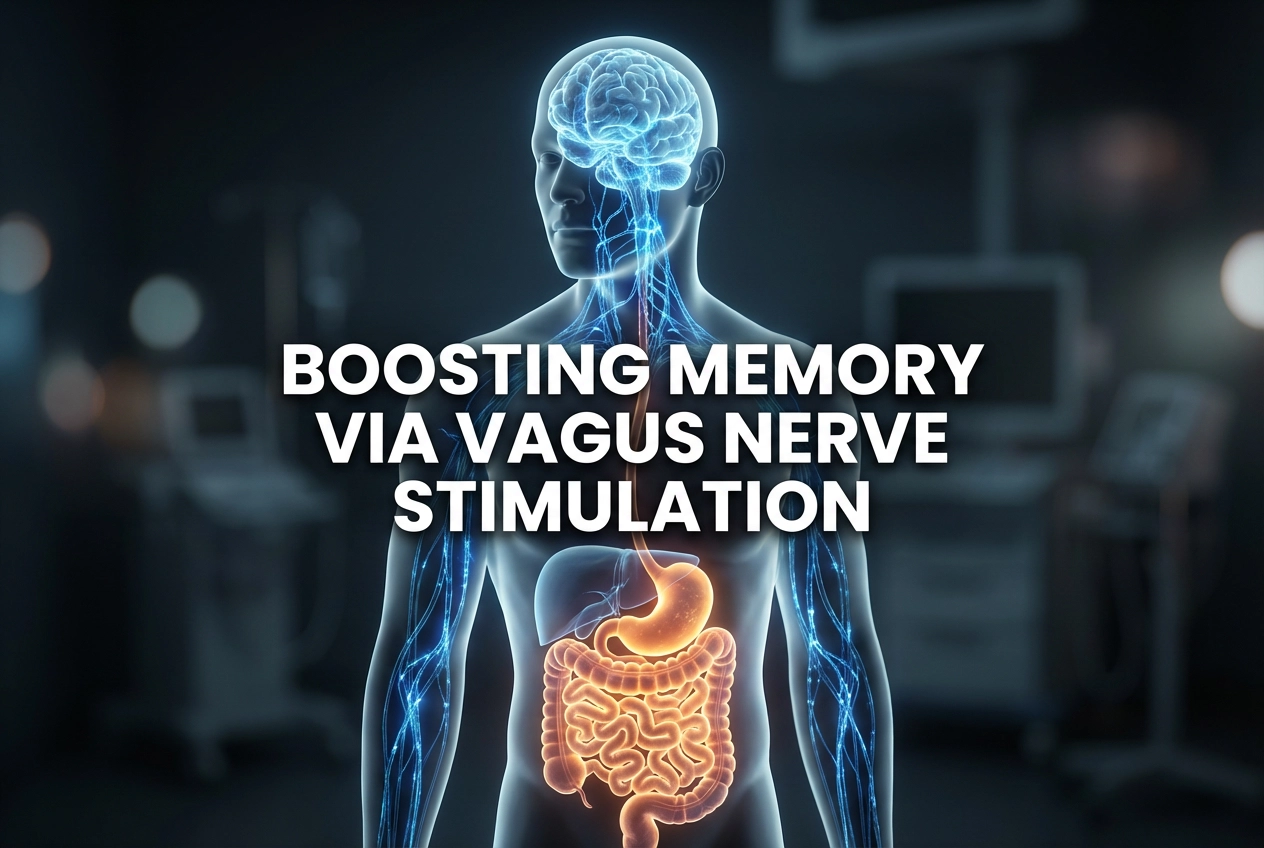
Can We Reverse Memory Loss Through the Gut Microbiome?
Researchers recently discovered a fascinating connection between the gut and cognitive health. Specifically, vagus nerve stimulation may offer a breakthrough for reversing age-related memory loss. This new study highlights how our digestive tract acts as a remote control for brain function. Consequently, it explores why some elderly individuals stay sharp while others experience early cognitive decline. For healthcare professionals interested in brain health and its peripheral connections, understanding the latest research is crucial, perhaps through a specialized course in Neurology Speciality Courses.
Vagus Nerve Stimulation and the Aging Gut
Aging naturally alters the bacterial landscape within the gastrointestinal system. Therefore, certain bacteria like Parabacteroides goldsteinii become much more prevalent as we age. These specific microbes produce metabolites known as medium-chain fatty acids. According to the research, these fatty acids trigger an inflammatory response in the gut wall. This inflammation subsequently hampers the signals sent from the gut to the hippocampus. As a result, the brain loses its ability to form and retrieve memories effectively. Understanding inflammation and metabolic processes is key, which aligns with specialized training like the Postgraduate Diploma In Gastroenterology.
Interestingly, the study found that this memory decline is not permanent. For instance, when researchers restored the gut-brain connection, old mice regained their cognitive abilities. They performed as well as younger mice in navigation and object recognition tasks. This suggests that memory loss is actively modulated by peripheral signals rather than being purely brain-intrinsic.
Future Clinical Implications for Cognitive Health
Stanford University experts tested several methods to restore these vital signals. They discovered that direct vagus nerve stimulation effectively bypassed the gut inflammation. Additionally, treating animals with GLP-1 receptor agonists showed significant promise. These drugs, commonly used for diabetes, appear to activate the same sensory pathways. Furthermore, targeted therapies like bacteriophages could eventually reduce harmful bacterial populations in humans. These findings pave the way for non-invasive treatments that target the gut to protect the aging brain. Professionals managing chronic conditions like diabetes can enhance their skills via the International Post Graduate Program In Diabetes Mellitus Management.
Frequently Asked Questions
Q1: How does the gut microbiome influence memory?
Changes in gut bacteria trigger local inflammation. This response blocks sensory signals from the vagus nerve to the hippocampus, which is the brain’s memory center.
Q2: Can current medications help improve cognitive aging?
The study indicates that GLP-1 receptor agonists can stimulate the vagus nerve. This activation might help restore memory function that has been impaired by gut-based inflammation.
Q3: Is this discovery applicable to human patients yet?
While the results in mice are promising, clinical trials are necessary. However, since vagus nerve stimulation is already FDA-approved for other conditions, human applications may be explored soon. For general practitioners looking to stay ahead of emerging science, the Certification Course In General Practice offers a broad foundation.
References
- Modulating gut microbiome may help reverse ageing-related memory loss: Study – ETHealthworld
- Stanford Medicine: Enhancing gut-brain communication reversed cognitive decline in aging mice.
- Nature: Microbiome-gut-vagus-brain pathway in age-associated cognitive decline.
Disclaimer: This article was automatically generated from publicly available sources and is provided for informational and educational purposes only. OC Academy does not exercise editorial control or claim authorship over this content. It is not a substitute for professional medical advice, diagnosis, or treatment. Always consult a qualified healthcare provider and refer to current local and national clinical guidelines.