Does Embryo Reduction Lower Pre-Eclampsia in Triplets?

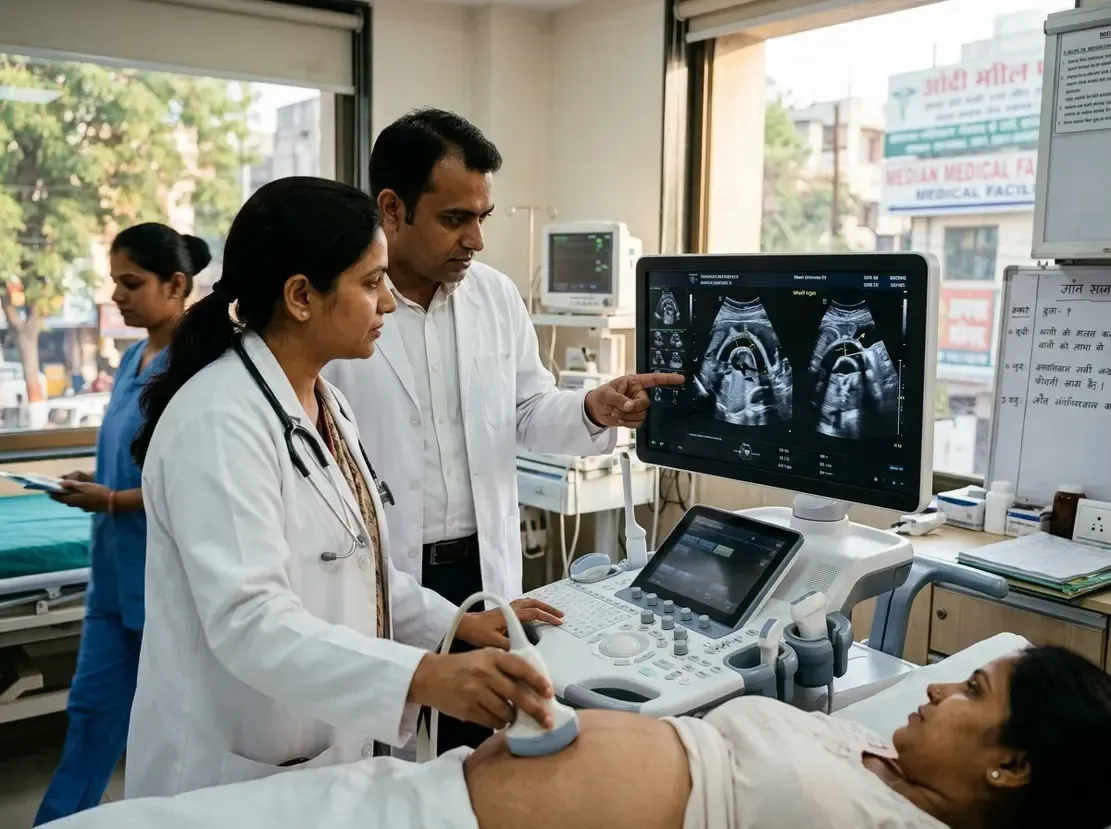
Multiple gestations present distinct hemodynamic challenges during prenatal care. Clinicians increasingly encounter high-order gestations due to assisted reproductive techniques. Consequently, understanding maternal risks remains essential for obstetricians. A recent multicenter investigation evaluated the incidence of pre-eclampsia in triplet pregnancies with and without embryo reduction. Furthermore, this study compared these pregnancies to extensive singleton and twin cohorts. Therefore, the findings provide valuable quantitative insight for clinical surveillance planning.
Assessing Pre-Eclampsia in Triplet Pregnancies
Multiple gestation substantially elevates the risk of hypertensive disorders of pregnancy. Specifically, excess placental mass triggers angiogenic imbalances and endothelial dysfunction. Triplets demonstrate a noticeably higher baseline vulnerability than singleton or twin pregnancies. In this multicenter study, researchers analyzed trichorionic and dichorionic triplet pregnancies delivered at or beyond 24 weeks. In addition, they implemented a competing-risks approach to evaluate gestational age at delivery with pre-eclampsia. This methodology accounts for the high baseline rate of spontaneous preterm birth in multi-fetal gestations.
Consequently, the statistical model allowed precise calculation of relative risks across cohorts. Unreduced triplet pregnancies exhibited significantly elevated risks compared to standard twin gestations. Moreover, maternal complications accelerated at earlier gestational windows. These physiological patterns highlight the substantial burden placed on maternal cardiovascular reserves.
Impact of Embryo Reduction on Maternal Risk
Embryo reduction often serves as an intervention to improve neonatal maturity. However, its exact effect on maternal vascular complications requires careful scrutiny. In this cohort, investigators evaluated whether reducing triplets to twins shifted pre-eclampsia trajectories toward standard twin baselines. The data revealed meaningful risk shifts following procedural reduction. As a result, reducing fetal count partially mitigated the excessive risk profile of continuing triplets.
Nevertheless, reduced pregnancies did not completely match the low baseline of unreduced twins. Residual placental tissue and early trophoblastic programming may sustain higher angiogenic stress. Thus, clinicians should avoid assuming that reduction completely neutralizes hypertensive risks. Instead, these mothers require diligent, tailored monitoring throughout the second and third trimesters.
Clinical Implications for Practice
These clinical findings carry direct relevance for reproductive specialists and obstetricians. First, pre-conception counseling must address the maternal cardiovascular toll of high-order multiples. When multifetal gestations occur, providers should discuss reduction options with clear, evidence-based risk data. Moreover, obstetricians must initiate early pre-eclampsia prophylaxis with low-dose aspirin in all triplet gestations. Starting aspirin before 16 weeks provides optimal protection against early-onset disease.
Furthermore, serial hemodynamic monitoring should begin earlier than in singleton care. Clinicians must track blood pressure trends and assess maternal symptom reports diligently. In addition, evaluating uterine artery Doppler and angiogenic biomarkers can aid early identification. Through timely intervention, healthcare teams can prevent severe maternal morbidity and improve perinatal outcomes.
Frequently Asked Questions
Q1: Does fetal reduction eliminate the risk of pre-eclampsia in triplet pregnancies?
No, fetal reduction does not completely eliminate the risk. Reducing triplets to twins decreases risk compared to continuing triplets, yet risk remains above primary twin pregnancies. Therefore, patients still require heightened surveillance.
Q2: Should women with triplet gestations receive aspirin prophylaxis?
Yes, major international guidelines recommend low-dose aspirin for high-order multiple gestations. Clinicians should ideally start aspirin before 16 weeks of gestation to achieve maximal protective benefits.
Q3: Why do triplet pregnancies have a higher risk of pre-eclampsia?
Triplet pregnancies involve an increased total placental mass. Consequently, the expanded placenta releases larger amounts of anti-angiogenic factors into maternal circulation, inducing systemic endothelial injury and hypertension.
References
- Yerlikaya-Schatten G et al. Incidence of pre-eclampsia in triplet pregnancies with and without embryo reduction. Ultrasound Obstet Gynecol. 2026 Sep 19. doi: 10.1002/uog.70341. PMID: 42762537.
- Wang Y, Wu N, Shen H. Research progress of pregnancy with twins with Preeclampsia. Risk Manag Healthc Policy. 2021;14:1999-2008.
- Poon LC, Shennan A, Hyett JA, et al. The International Federation of Gynecology and Obstetrics (FIGO) initiative on pre-eclampsia: A pragmatic guide for first-trimester screening and prevention. Int J Gynaecol Obstet. 2019;145 Suppl 1:1-33.