
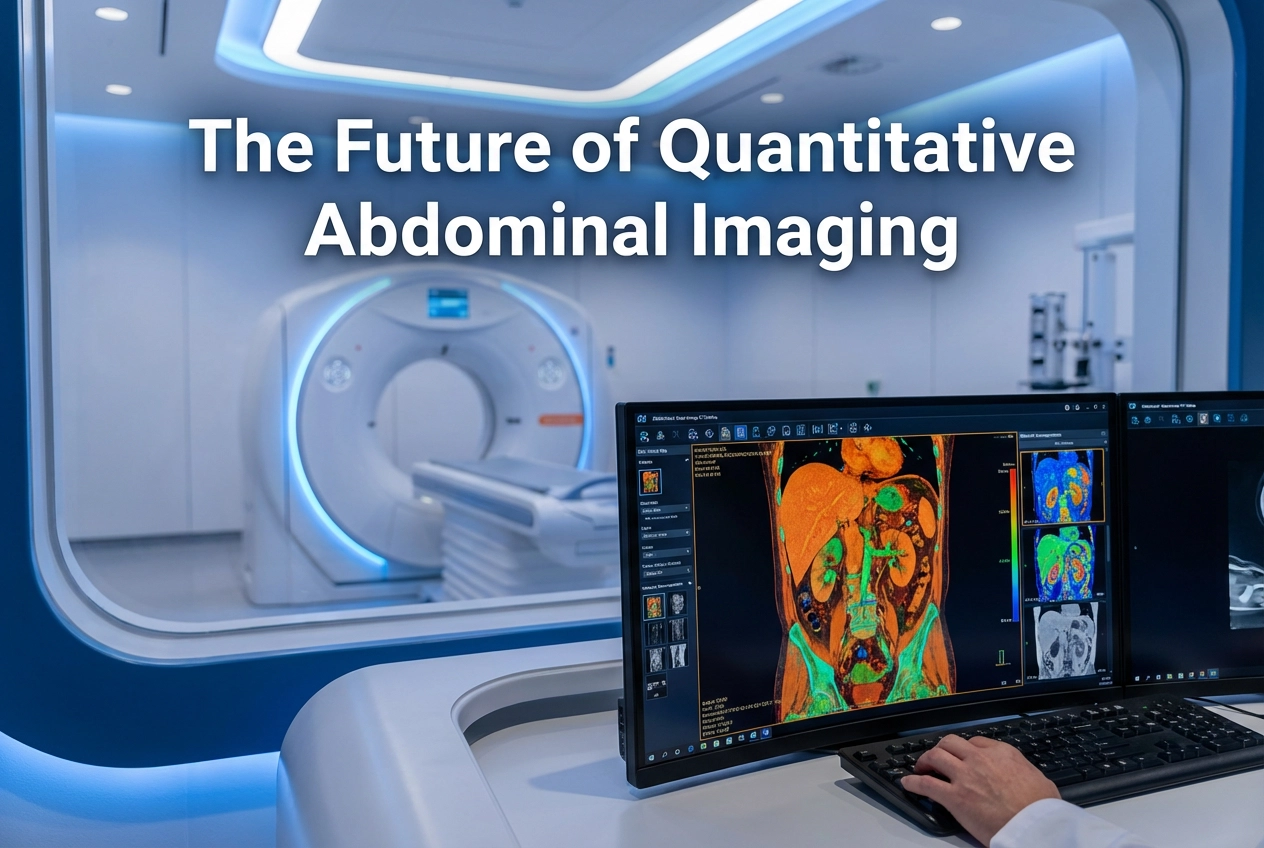
Traditional CT imaging often faces limitations when distinguishing between different tissues. However, Quantitative Dual-Energy CT (DECT) overcomes these hurdles by using two distinct radiation energy levels. This technology provides detailed information about material composition. Consequently, clinicians can now noninvasively detect and characterize lesions with higher precision. This advancement supports the development of crucial imaging biomarkers in modern radiology.
Key Benefits of Quantitative Dual-Energy CT
One primary advantage of this technology involves improved material separation. Specifically, it allows for the quantification of iodine concentration in various organs. This data helps in identifying tumors or vascular pathologies more accurately. Furthermore, DECT creates virtual monochromatic images. These images reduce artifacts while enhancing the contrast-to-noise ratio. Therefore, patients receive a more reliable diagnosis through these advanced datasets.
Clinical Uses in Abdominal Disease
The clinical scope of DECT is expanding rapidly. Doctors use these parameters to characterize renal stones and evaluate liver fat. In addition, it plays a vital role in oncology by monitoring treatment responses. Recent developments also include the integration of artificial intelligence. AI algorithms analyze DECT-derived radiomics to predict patient outcomes. Despite these benefits, implementing these tools in daily practice requires specific technical expertise.
Frequently Asked Questions
Q1: What makes Quantitative Dual-Energy CT different from standard CT?
Standard CT uses a single energy spectrum. In contrast, DECT uses two energy levels to identify and quantify specific materials within the body.
Q2: How does iodine quantification help in abdominal imaging?
Iodine quantification allows doctors to measure blood supply to tissues. This measurement helps distinguish between malignant tumors and benign cysts effectively.
References
- Garc\u00eda-Figueiras R et al. Quantitative Dual-Energy CT in Abdominal Imaging: Technical Considerations and Emerging Clinical Applications. Radiographics. 2026 Mar undefined. doi: 10.1148/rg.250074. PMID: 41746823.
- Siegel MJ et al. Dual-Energy CT in the Abdomen: Basic Principles and Clinical Applications. AJR Am J Roentgenol. 2023.
- Patino M et al. Material Characterization with Dual-Energy CT: A Review of Current and Emerging Applications. Radiographics. 2024.