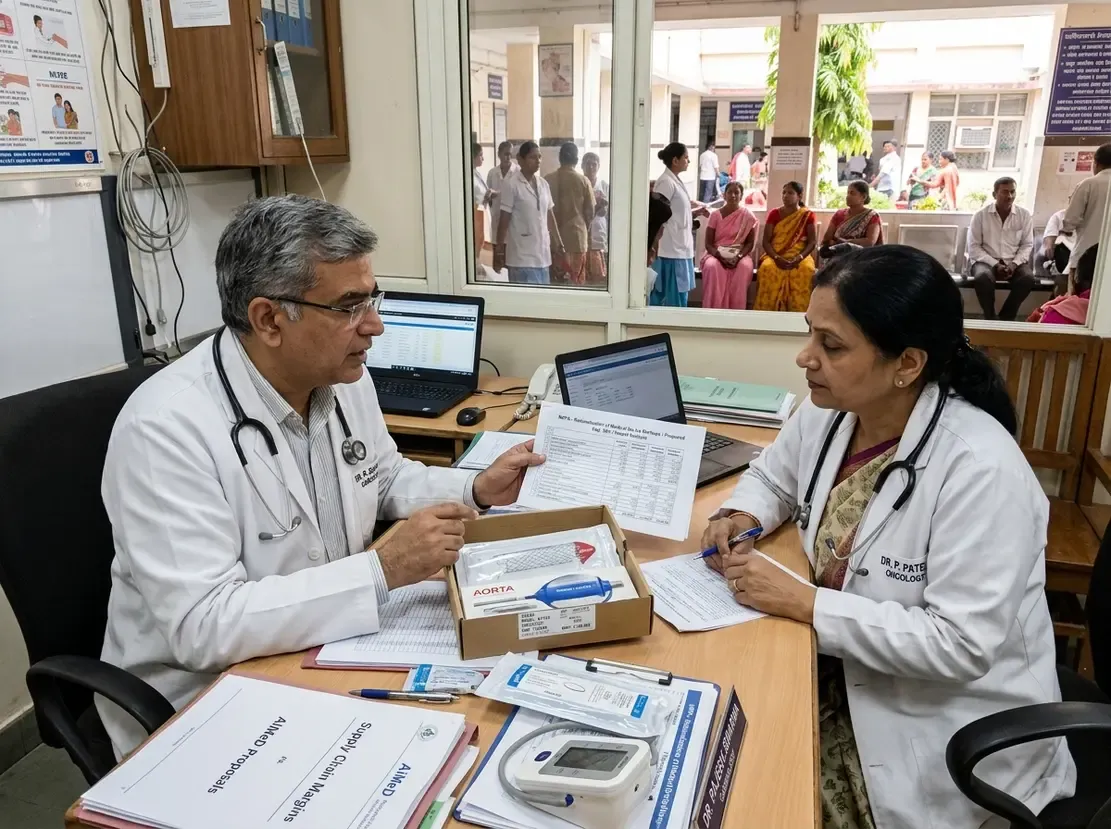
NMC Mandates Monthly Student Suicide Reports and Reforms
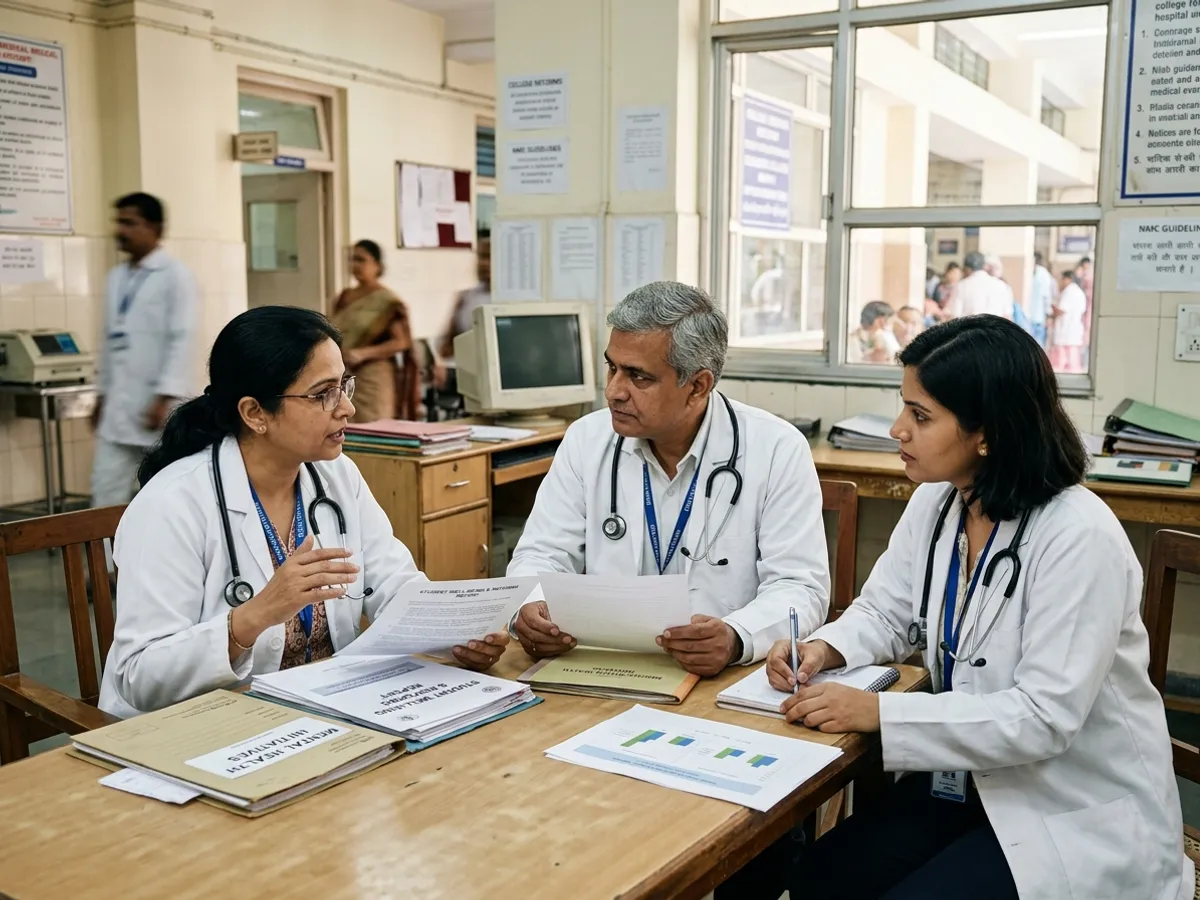
The National Medical Commission (NMC) has introduced stringent protocols for student suicide reporting across all medical colleges in India. Under these urgent directives, institutions must submit a certified Action Taken Report (ATR) every month. This measure directly complies with recent Supreme Court orders addressing student mental health, safety, and campus well-being. Consequently, medical colleges must now treat compliance as a top priority.
Key Directives for Student Suicide Reporting
Under the new framework, medical institutions must maintain comprehensive documentation regarding every unnatural death. Specifically, each institutional submission must record the student's academic course, year of study, date, and place of occurrence. Furthermore, colleges must document local police intimations, First Information Report (FIR) statuses, internal inquiries, and immediate corrective measures. In addition, the NMC requires institutions to submit an Action Taken Report certified directly by the head of the institution. Administrators must forward these monthly compliance reports to designated regulatory portals without delay. Therefore, colleges can no longer handle student distress in isolation.
Mandatory Timelines for Faculty and Administrative Recruitment
To address institutional deficiencies, the NMC has established a strict four-month deadline to fill vacant teaching and leadership roles. Colleges must submit detailed department-wise data regarding sanctioned posts, filled positions, and existing vacancies. Moreover, institutions must launch special recruitment drives for reserved posts. Institutions must promptly fill key administrative posts, including deans, medical superintendents, registrars, hostel wardens, and counsellors. Additionally, all campuses must guarantee 24x7 access to qualified medical assistance on-site or within one kilometer. Consequently, institutions must also clear scholarship disbursement backlogs within four months.
Institutional Gatekeeper Training and Mental Health Vulnerabilities
Recent epidemiological data highlights an alarming rise in youth distress. Specifically, National Crime Records Bureau statistics show 14,488 student suicide deaths in 2024, marking an 80% rise over the decade. Therefore, the commission emphasizes that faculty members must serve as proactive gatekeepers. Educators often observe early indicators, such as dropping attendance, declining academic performance, and social withdrawal. However, faculty should approach distressed students, inquire about suicidal ideation, and facilitate psychiatric referral without acting as therapists. Furthermore, institutions must avoid reducing suicide risk to a single trigger. Factors such as academic burnout, ragging, fear of failure, financial strain, and systemic discrimination collectively heighten student vulnerability through challenges often addressed in programs like child and adolescent mental health.
Frequently Asked Questions
Q1: What are the primary reporting requirements under the new NMC directive?
Colleges must submit a certified monthly Action Taken Report documenting every student suicide or unnatural death, police intimation, FIR status, and corrective action taken.
Q2: What is the deadline for medical colleges to fill vacant faculty positions?
Medical institutions must fill all vacant faculty, non-teaching, and key administrative positions within four months, including conducting special recruitment drives for reserved posts.
Q3: What role do faculty members play in suicide prevention on medical campuses?
Faculty act as trained gatekeepers who identify distress signals, ask students about suicidal thoughts, and facilitate timely referrals to professional healthcare services.
References
- NMC orders monthly reporting of student suicides by medical colleges - ETHealthworld
- NMC directs medical colleges to report student suicides, fill vacant posts, submit monthly ATRs - Medical Dialogues
- Supreme Court of India - Directives in Amit Kumar & Others vs. Union of India & Others on Student Mental Health