
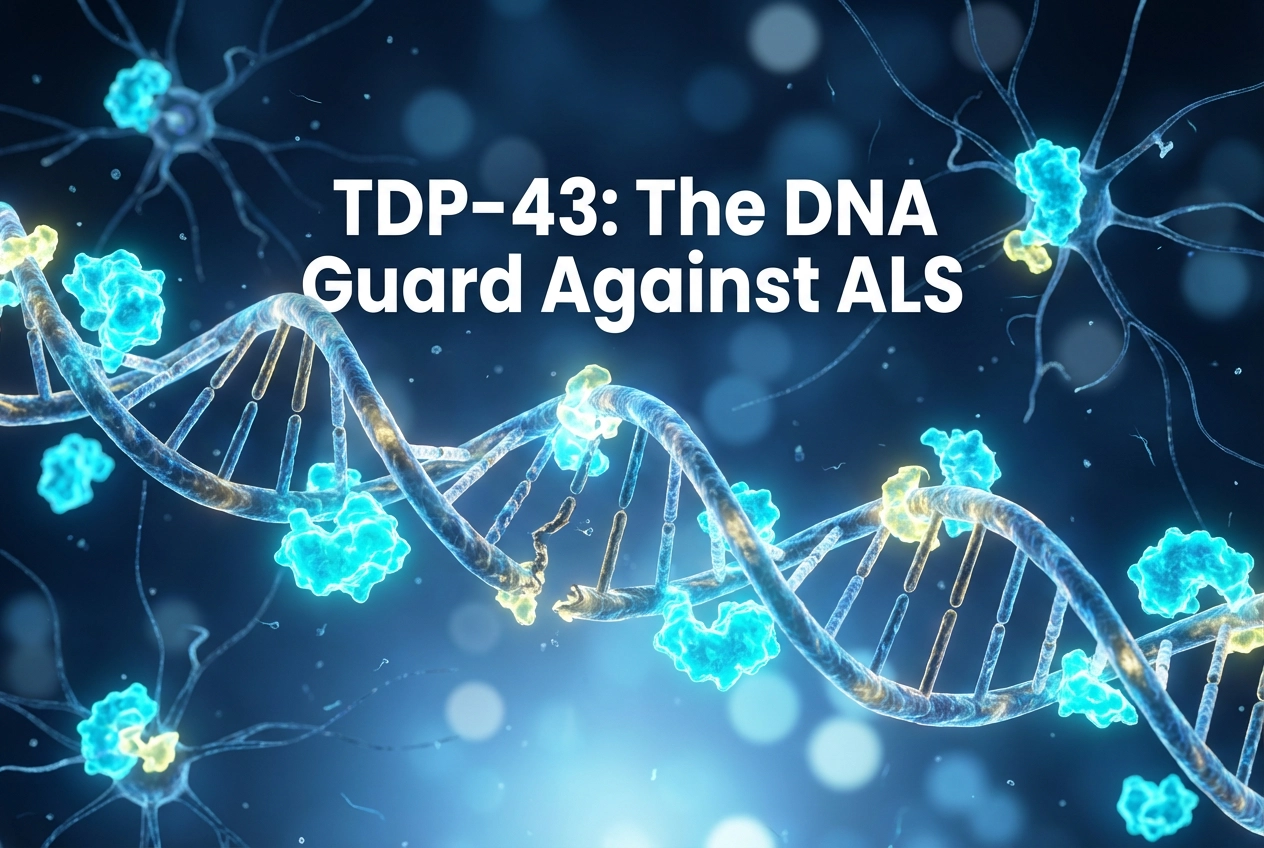
How the TDP43 Protein Connects Brain Disease and Cancer
Researchers have recently discovered that the TDP43 protein DNA repair mechanism plays a pivotal role in maintaining genomic stability. This finding directly connects neurodegenerative diseases like ALS with cancer development. Specifically, the study highlights how abnormal levels of this protein disrupt the DNA mismatch repair system. Consequently, this molecular disruption leads to significant cellular damage and increased mutation loads in tumors.
The Function of TDP43 protein DNA repair
The DNA mismatch repair system identifies and corrects errors during genetic replication. Under normal conditions, the TDP43 protein regulates the genes responsible for this essential maintenance. However, researchers found that both insufficient and excessive levels of TDP43 trigger malfunctions. Instead of protecting the genome, this heightened activity actually destabilizes it. Therefore, maintaining a precise balance of TDP43 is vital for neuronal health, and understanding genetic stability is key in fields like Neurology.
Bridging Neurodegeneration and Oncology
Notably, the study links these molecular failures to two major disease categories. In patients with ALS and frontotemporal dementia, the protein often behaves abnormally. Meanwhile, an analysis of cancer databases revealed that elevated TDP43 levels correlate with higher mutation rates. This suggests that the protein acts as a critical intersection between brain diseases and Oncology. Scientists believe that this discovery could redefine our understanding of disease progression. As a result, the TDP43 protein DNA repair pathway has become a major target for future research, especially those interested in molecular pathology and genomics.
New Therapeutic Approaches
The identification of this pathway offers hope for innovative treatments. In laboratory settings, scientists successfully reduced cellular damage by modulating the DNA repair activity. This intervention partially reversed the negative effects caused by abnormal TDP43. Consequently, controlling the mismatch repair machinery might provide a viable strategy for treating ALS. Moreover, this approach could potentially slow down tumor growth in certain cancers. Future clinical trials will likely focus on stabilizing these genetic processes to improve patient outcomes, areas that are often explored in Clinical Oncology training.
Frequently Asked Questions
Q1: What is the primary role of the TDP43 protein?
The TDP43 protein regulates the genes involved in DNA mismatch repair, which is a system that fixes genetic errors during cell division.
Q2: How does TDP43 link ALS to cancer?
Abnormal levels of TDP43 lead to overactive DNA repair, which damages neurons in ALS patients and increases mutation loads in cancer cells.
Q3: Can targeting DNA repair help treat these diseases?
Yes, laboratory models show that controlling excessive DNA mismatch repair activity can partially reverse cellular damage caused by abnormal TDP43.
References
- Scientists discover ALS protein that links DNA repair to cancer and dementia:Study – ETHealthworld
- Hegde ML, et al. TDP-43 and DNA mismatch repair in neurodegeneration and cancer. Nucleic Acids Research.
- Houston Methodist Centre for Neuroregeneration. Press Release: TDP43 and Genomic Stability.
Disclaimer: This article was automatically generated from publicly available sources and is provided for informational and educational purposes only. OC Academy does not exercise editorial control or claim authorship over this content. It is not a substitute for professional medical advice, diagnosis, or treatment. Always consult a qualified healthcare provider and refer to current local and national clinical guidelines.