
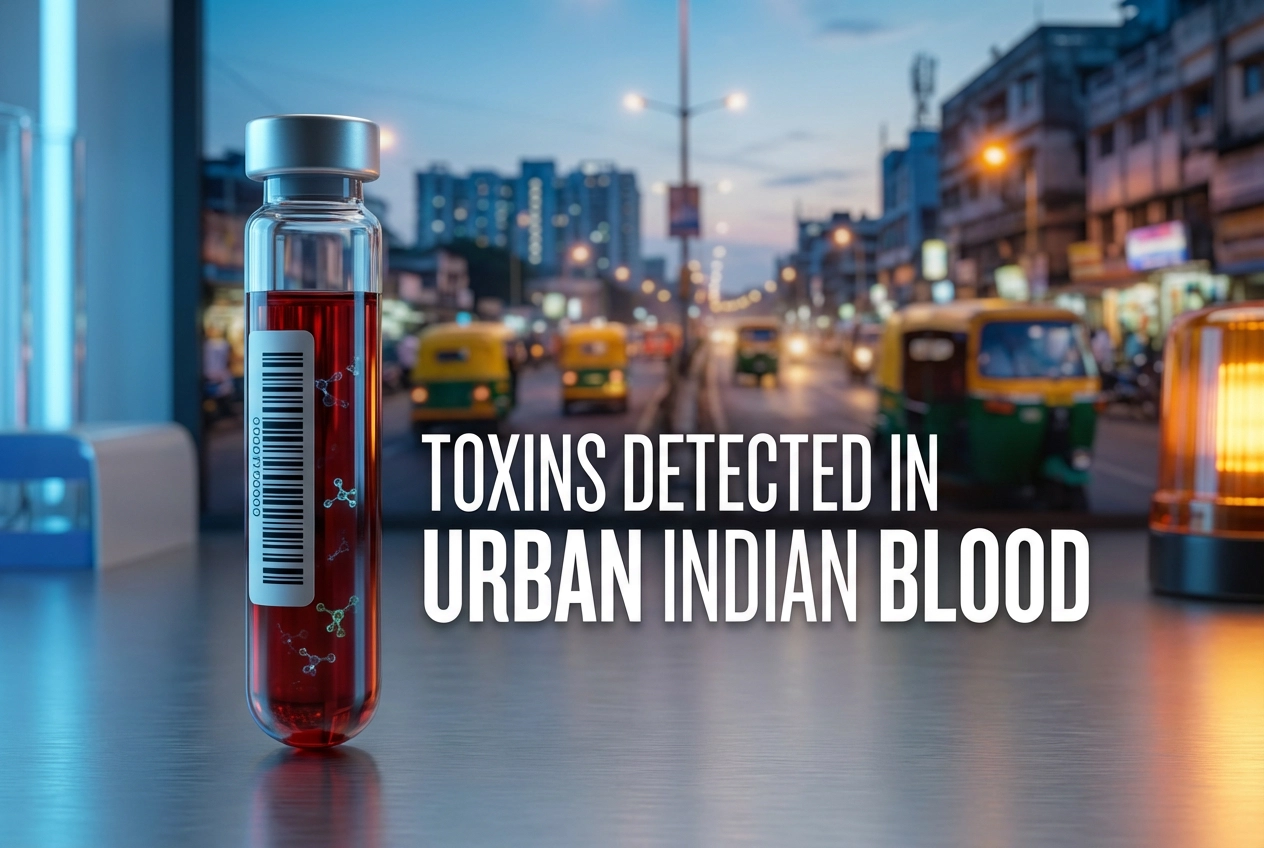
A recent analysis has uncovered a staggering health concern for the Indian urban population. Researchers detected various toxic chemicals in blood samples from 93% of residents across 14 major cities. This comprehensive study spanned nine states and revealed a chronic, layered intake of harmful substances. Consequently, experts are warning about the long-term metabolic and endocrine risks associated with these pollutants.
Understanding Toxic Chemicals in Blood Levels
The study specifically identified several categories of hazardous substances in human bloodstreams. Pesticide residues appeared in 78% of individuals, with many carrying three or more types. Furthermore, 54% of participants tested positive for antibiotic residues. This finding raises significant alarms regarding antimicrobial resistance in the country. Additionally, 39% of the samples contained steroids, which can disrupt the endocrine system. Therefore, the cumulative exposure suggests that these toxins enter the body through food, water, and plastic use.
Moreover, the analysis highlighted the presence of “forever chemicals” or PFAS in 38% of participants. These synthetic compounds are notoriously difficult to break down in the environment. Manufacturers use them in non-stick cookware, food packaging, and stain-resistant fabrics. Specifically, long-term bioaccumulation of these substances correlates with liver damage and reduced fertility. Many individuals also showed a high toxin count, with 17% carrying ten or more distinct chemicals. Thus, the pathways for exposure are much broader than previously estimated by regulatory systems.
Clinical Implications for Gut and Metabolic Health
Health experts emphasize that chronic chemical exposure interferes with vital bodily functions. These substances can specifically alter gut bacteria and disrupt digestion. Similarly, they may impair immunity and lead to hormonal imbalances. Antibiotic residues are particularly concerning because they contribute to the global crisis of drug-resistant infections. Meanwhile, steroids and pesticides often trigger metabolic disturbances. Consequently, medical practitioners should consider environmental factors when assessing patients with chronic inflammatory or endocrine disorders. Professionals interested in managing complex metabolic issues can enhance their skills through the International Post Graduate Program In Diabetes Mellitus Management.
The detection was made possible through advanced testing platforms from Bengaluru-based startup MicrobioTx. This research underlines the urgent need for stronger environmental surveillance in India. Currently, most regulatory bodies focus on testing food products rather than human blood. However, this study proves that chemicals are successfully migrating from the environment into the human body. Public health advocates now call for greater awareness and early detection to support preventive healthcare choices. Understanding how environmental exposures affect human systems is vital for those in General Practice.
Frequently Asked Questions
Q1: What are “forever chemicals” and where are they found?
Forever chemicals, or PFAS, are synthetic compounds designed to resist heat, water, and oil. They are commonly found in non-stick pans, waterproof clothing, and fast-food packaging. They are called “forever chemicals” because they do not break down naturally and accumulate in the human body over time.
Q2: How do pesticides enter the bloodstream of urban residents?
Pesticides primarily enter the body through the consumption of contaminated fruits, vegetables, and grains. They can also leach into groundwater and enter the food chain through animal products like meat and milk. Environmental pollution and proximity to industrial areas also contribute to exposure.
Q3: Why is the presence of antibiotic residues in blood a major concern?
Antibiotic residues in the blood can lead to antimicrobial resistance (AMR), making standard treatments for infections less effective. Furthermore, these residues can disrupt the delicate balance of the gut microbiome, which is essential for healthy digestion and a strong immune system.
References
- Toxic chemicals found in 93% of urban blood samples: Study – ETHealthworld
- MicrobioTx study detects toxic chemicals in 93% urban blood samples – Pharmabiz
- India PFAS Situation Report- 2019 – IPEN.org
Disclaimer: This article was automatically generated from publicly available sources and is provided for informational and educational purposes only. OC Academy does not exercise editorial control or claim authorship over this content. It is not a substitute for professional medical advice, diagnosis, or treatment. Always consult a qualified healthcare provider and refer to current local and national clinical guidelines.