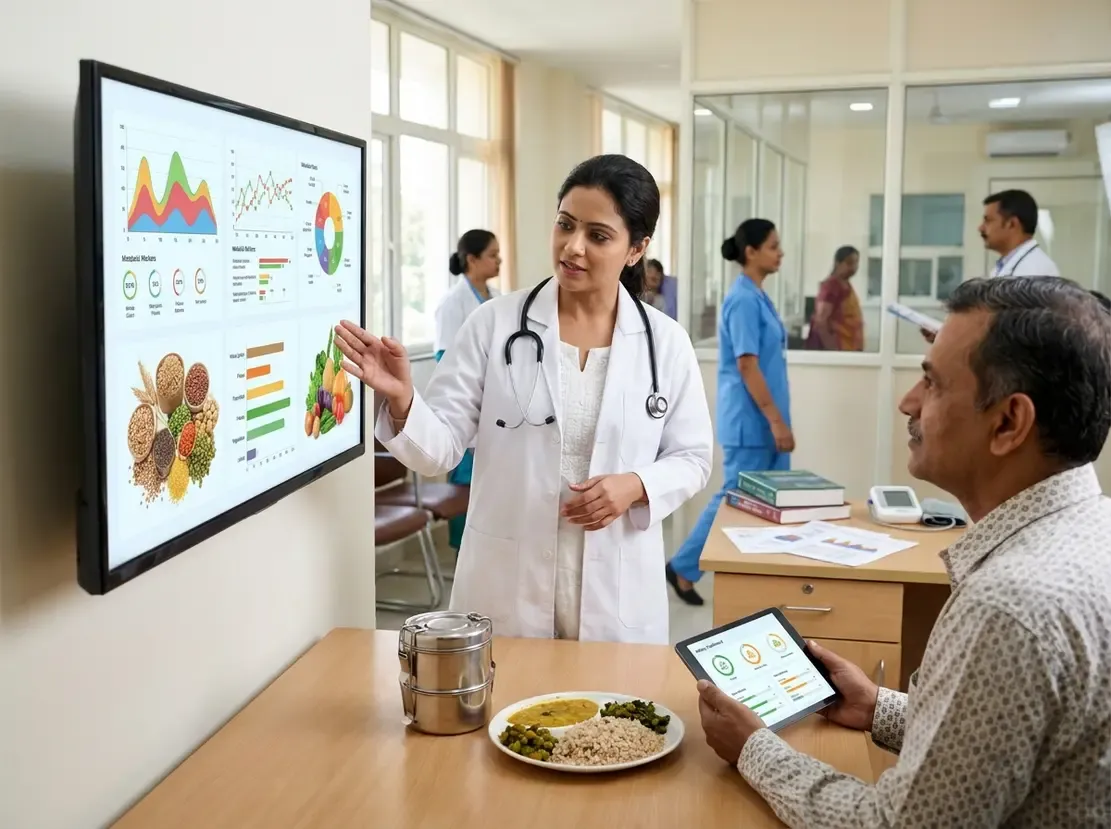
Why Unsupervised GLP-1 Therapies Pose Major Health Risks

The Expanding Role of GLP-1 Therapies in Metabolic Care
Incretin-based medications have transformed modern metabolic medicine. Specifically, GLP-1 therapies deliver potent improvements in glycaemic control, body weight, and cardiovascular outcomes. At the ETHealthworld Nutriwell Conclave 2026, leading specialists examined the rapid surge in demand for these drugs. Clinicians highlighted major therapeutic benefits in treating obesity, type 2 diabetes, and metabolic dysfunction-associated steatotic liver disease. However, specialists also raised urgent alarms regarding off-label, unsupervised, and cosmetic usage across India.
Clinical Dangers of Unsupervised Administration
Dr. Rajesh Rajput of Medanta Gurugram cautioned that unauthorised prescriptions create profound clinical vulnerabilities. Furthermore, patients frequently obtain these potent injectables without formal baseline evaluation. Consequently, individuals bypass essential contraindication screenings, such as personal or familial risks of medullary thyroid carcinoma and pancreatitis. In addition, rapid unmonitored dose titration significantly amplifies severe gastrointestinal adverse effects, including gastroparesis and persistent emesis. Therefore, continuous physician supervision remains indispensable for adjusting doses safely.
Muscle Loss and Nutritional Risks in the Indian Phenotype
Dr. Anuj Maheshwari, President of the Research Society for the Study of Diabetes in India (RSSDI), highlighted unique physiological risks. For instance, South Asian individuals characteristically exhibit the thin-fat metabolic phenotype with lower baseline skeletal muscle mass. Therefore, rapid unmonitored weight reduction accelerates significant loss of lean muscle tissue alongside fat mass. Moreover, inadequate dietary protein intake substantially exacerbates this vulnerability toward sarcopenic obesity. In contrast, tailored nutritional strategies and progressive resistance exercise actively preserve functional muscle integrity during therapy.
Additionally, specialists expressed acute concern over rebound weight gain following abrupt medication discontinuation. As a result, patients who stop treatment without lifestyle consolidation frequently regain adipose tissue while failing to recover lost lean mass. Hence, medical supervision must encompass comprehensive long-term exit and maintenance protocols.
Hepatic Benefits and Evidence-Based Patient Selection
Dr. Anil Arora emphasized that incretin agents show extraordinary promise in managing metabolic dysfunction-associated steatohepatitis (MASH). Nevertheless, pharmacotherapy cannot serve as a solitary replacement for sustainable dietary corrections and physical activity. Similarly, Dr. Rohit Warrier from the American Diabetes Association underscored the necessity of robust, evidence-based prescribing. Clinicians must meticulously distinguish genuine causality from statistical associations during adverse event monitoring. Thus, multi-disciplinary care combining hepatology, endocrinology, and nutritional support ensures optimal therapeutic outcomes while safeguarding patient well-being.
Frequently Asked Questions
Q1: Why is unsupervised use of GLP-1 therapies dangerous?
Unsupervised use bypasses crucial clinical screening for contraindications, such as pancreatitis or thyroid cancer risks. Furthermore, self-medication increases the risk of severe gastrointestinal distress, rapid muscle wasting, and unmonitored dehydration.
Q2: How do GLP-1 receptor agonists impact muscle mass in Indian patients?
Indian individuals often have lower baseline skeletal muscle mass. Consequently, rapid weight reduction without adequate dietary protein or resistance training can precipitate sarcopenia and impair functional metabolic health.
Q3: What occurs when a patient stops GLP-1 medications abruptly?
Patients who discontinue treatment abruptly often experience rapid appetite return and rebound weight gain. Therefore, physicians recommend long-term maintenance strategies paired with sustainable lifestyle adjustments before tapering pharmacotherapy.
References
- GLP-1 therapies: Experts flag risks of unsupervised use, stress medicalsupervision - ETHealthworld
- Nawal CL, et al. The Dark Side of GLP-1 Receptor Agonists: Risks and Adverse Events. Journal of the Association of Physicians of India. 2026;74(9):45-52.
- Preventive Strategies to Reduce Sarcopenia Risk During GLP-1-Based Anti-Obesity Therapy. MDPI Nutrients. 2026;18(14):2190.