
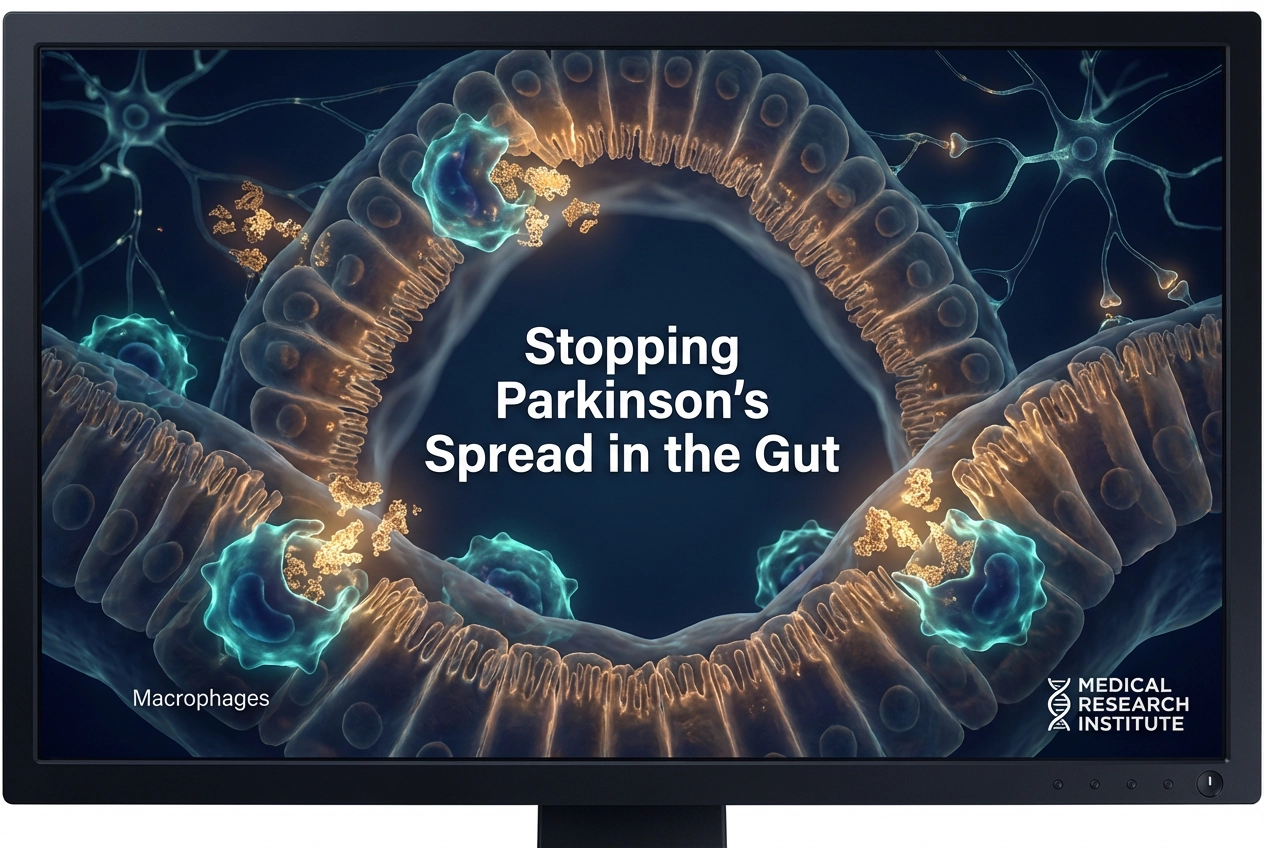
A recent study, primarily conducted in mice, has shed light on the exact mechanism by which Parkinson’s disease (PD) may spread from the digestive system to the brain. The research identifies a critical role for specialized immune cells in this process, potentially offering a new target for therapeutic intervention years before the onset of motor symptoms. Specifically, the findings highlight how Gut Macrophages Parkinson’s pathology along the gut-brain axis. If you are interested in understanding complex physiological pathways related to disease progression, exploring specialized study options might be beneficial, such as the Neurology Speciality Courses offered by OC Academy.
The Gut-Brain Connection in PD Pathogenesis
Parkinson’s disease is a neurodegenerative condition known for motor symptoms like stiffness, slowness of movement, and tremors. However, researchers theorize that PD often originates in the gut. For instance, chronic constipation and other gastrointestinal symptoms commonly occur decades before a PD diagnosis in patients. The dorsal motor nucleus of the vagus nerve is one of the first cranial regions affected, which strongly supports this theory because this nerve connects directly to the gut. Nevertheless, the precise cellular pathways involved in the disease’s spread to the brain had remained unclear until now.
Gut Macrophages Parkinson’s Spread Mechanism
The research, published in Nature, identifies gut macrophages as the key players in transferring toxic proteins. Macrophages are specialized immune cells that normally engulf and eliminate pathogens. In this study, scientists inserted tiny amounts of patient-derived alpha-synuclein—the misfolded toxic protein hallmark of PD—into the small intestines of mice. Consequently, gut macrophages consumed the alpha-synuclein protein and began showing dysfunction within their lysosomal systems. This system normally breaks down the cell’s waste material. Thus, the macrophages essentially became compromised carriers rather than defenders. Furthermore, these dysfunctional macrophages signalled T-cells, which are part of the body’s immune response, to travel from the gut toward the brain. Depleting the number of these gut macrophages before injecting alpha-synuclein significantly reduced toxic protein levels in the brain. Therefore, the reduced spread also improved the mice’s motor symptoms, demonstrating a functional connection. Understanding the role of immune response and cellular pathology is crucial, something covered deeply in Postgraduate Diploma In Cancer And Molecular And Cellular Biology.
Therapeutic Implications and Future Screening
This discovery presents an exciting new opportunity for treatment. The results suggest a possible therapeutic strategy centered on targeting these immune cells and preventing them from reaching the brain. In fact, co-lead author Dr. Soyon Hong noted that immune cells are not bystanders in Parkinson’s, but rather dysfunctional responders. Moreover, co-lead author Tim Bartels suggested that understanding how the disease begins could enable the development of simple blood tests. Such screening would allow for diagnosis long before any damage to the brain starts, which is critical since neurodegenerative diseases follow slow trajectories over many decades. Consequently, the ability to detect and manage Parkinson’s before it even reaches the central nervous system could profoundly impact affected individuals. Professionals looking to specialize in advanced diagnostic techniques and managing chronic conditions should consider the Postgraduate Diploma In Clinical Drug Development.
Frequently Asked Questions
Q1: What is the main finding of the new study on Parkinson’s disease?
The study, conducted in mice, shows that specialized immune cells called gut macrophages play a key role in the spread of toxic alpha-synuclein proteins from the gut to the brain. They act as carriers for the pathology, which suggests a cellular pathway for the disease’s progression.
Q2: Why is the gut thought to be the origin of Parkinson’s disease?
The theory of a gut origin is supported by clinical observations and anatomy. Specifically, many people with Parkinson’s disease exhibit chronic gut symptoms, such as constipation, years or even decades before motor symptoms begin. Anatomically, the dorsal motor nucleus of the vagus nerve—an early affected brain region—is directly connected to the gut. Specialists interested in chronic gastrointestinal manifestations can expand their knowledge via Postgraduate Diploma In Gastroenterology.
Q3: What is the proposed new therapeutic strategy?
The new strategy involves targeting the gut’s immune cells, specifically the macrophages. Researchers found that reducing the number of gut macrophages limited the spread of toxic proteins, which improved motor symptoms in mice. Therefore, preventing these cells from becoming carriers and traveling to the brain represents a new avenue for early intervention.
References
- Study shows how immune cells in gut spread Parkinson’s disease to brain – ETHealthworld
- Targeting the gut’s immune system could tackle early stages of Parkinson’s | UCL News
- New study highlights intestinal macrophages as early drivers of Parkinson’s disease
- Potential New Therapeutic Pathway For Parkinson’s Disease Identified – POLITIS
Disclaimer: This article was automatically generated from publicly available sources and is provided for informational and educational purposes only. OC Academy does not exercise editorial control or claim authorship over this content. It is not a substitute for professional medical advice, diagnosis, or treatment. Always consult a qualified healthcare provider and refer to current local and national clinical guidelines.