WHO Hails India's Historic Healthcare and Maternal Gains

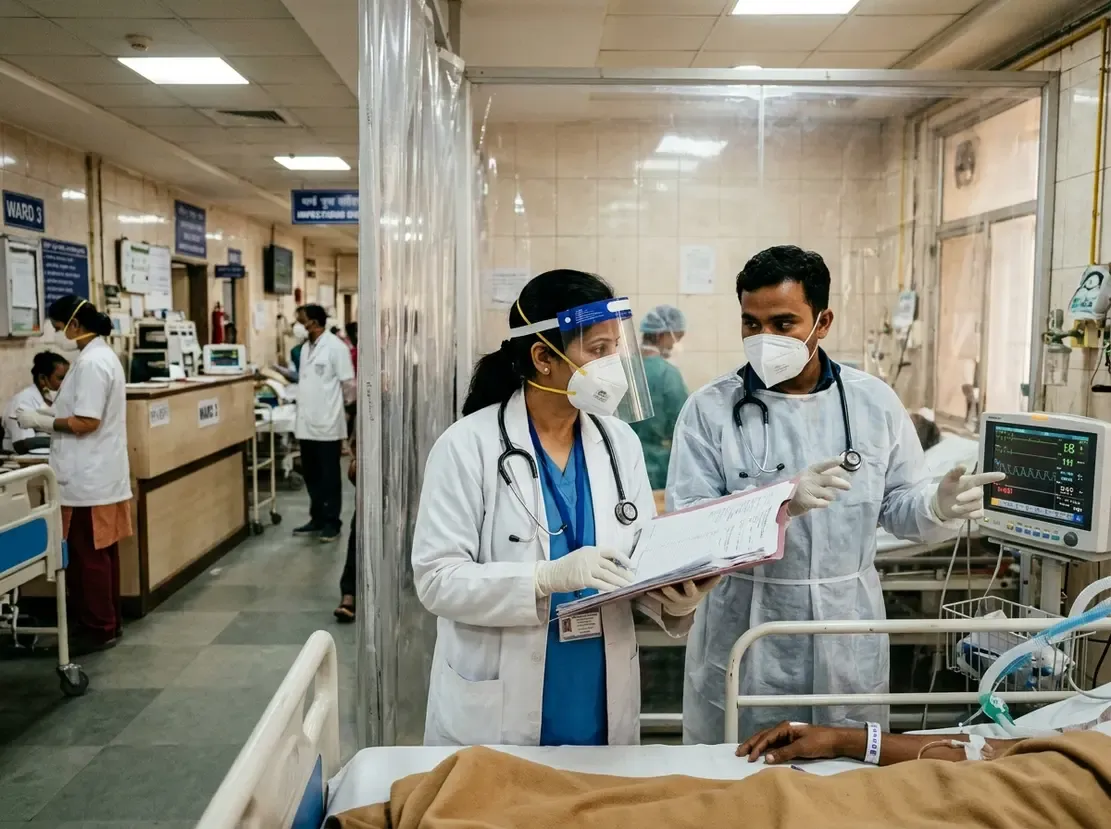
World Health Organization (WHO) Director-General Dr. Tedros Adhanom Ghebreyesus met India's Union Health Minister Jagat Prakash Nadda in Dili, Timor-Leste. During the 79th Regional Committee meeting, the WHO chief praised substantial improvements in maternal and child health across India. Furthermore, he commended the nation's targeted initiatives to manage chronic illnesses and expand community screening.
Consequently, global health leaders recognized India's expanding healthcare footprint as an inspiring model for resource-constrained settings. These achievements underscore a nationwide commitment to strengthen decentralized primary healthcare networks.
Advancing Maternal and Child Health Nationwide
Significantly, institutional delivery rates in India climbed from 78% to 93%. This remarkable rise directly drives sustained declines in maternal and infant mortality rates. Moreover, community healthcare workers provide critical continuum-of-care services. Accredited Social Health Activists (ASHAs) guide expectant mothers from early conception through adolescence. Therefore, timely clinical interventions and routine immunizations reach vulnerable rural families without delay. In addition, these coordinated community efforts ensure early detection of high-risk pregnancies.
Strengthening Primary Care via Ayushman Arogya Mandirs
India has established approximately 160,000 Ayushman Arogya Mandirs across rural and urban districts. These primary healthcare facilities deliver essential diagnostic screenings directly to local communities. Specifically, grassroots teams screen adult populations for hypertension, diabetes, and prevalent cancers. Patients diagnosed with chronic illnesses receive standardized treatment protocols and timely specialist referrals. Thus, the decentralization of noncommunicable disease surveillance reduces acute clinical complications. Furthermore, this primary network alleviates heavy patient congestion at secondary and tertiary hospitals.
Tackling Tuberculosis and Global Regulatory Standards
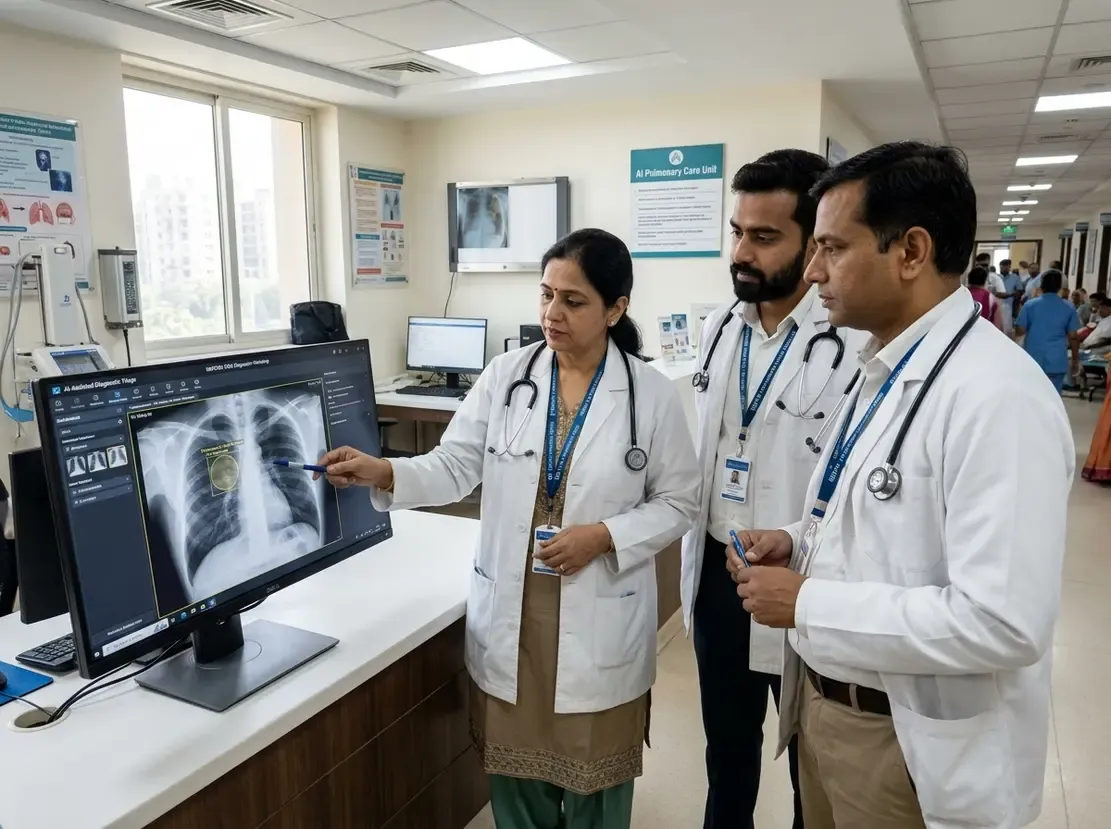
During their meeting, Dr. Tedros and Minister Nadda addressed ongoing efforts to end tuberculosis nationwide. India combines active case finding, molecular diagnostics, and comprehensive nutritional support to curb transmission. Additionally, the discussions emphasized stringent regulatory oversight for pharmaceuticals and medical devices. Both leaders also examined collaborative priorities regarding evidence-based traditional medicine. Finally, India affirmed its constructive role in negotiations for the WHO Pandemic Agreement, including equitable pathogen access and benefit-sharing mechanisms.
Frequently Asked Questions
Q1: What major healthcare milestones did the WHO commend in India?
The WHO commended significant progress in maternal and child health, institutional deliveries rising to 93%, expanded primary screening through Ayushman Arogya Mandirs, and proactive tuberculosis elimination efforts.
Q2: How do Ayushman Arogya Mandirs support noncommunicable disease management?
Over 160,000 centers provide decentralized community screening for hypertension, diabetes, and common cancers, alongside structured referral pathways for advanced clinical care.
Q3: What role do ASHA workers play in reducing maternal mortality?
ASHA workers track maternal care from conception through postpartum recovery, facilitate institutional deliveries, and coordinate routine immunizations for infants and adolescents.
References
- WHO chief meets JP Nadda, praises India's health gains in maternal, child careand TB fight - ETHealthworld
- WHO Chief Praises India's Healthcare Progress In Meeting With JP Nadda - NDTV
- WHO Chief Dr Tedros meets Union Health Minister JP Nadda, Hails India's health gains - News On AIR