
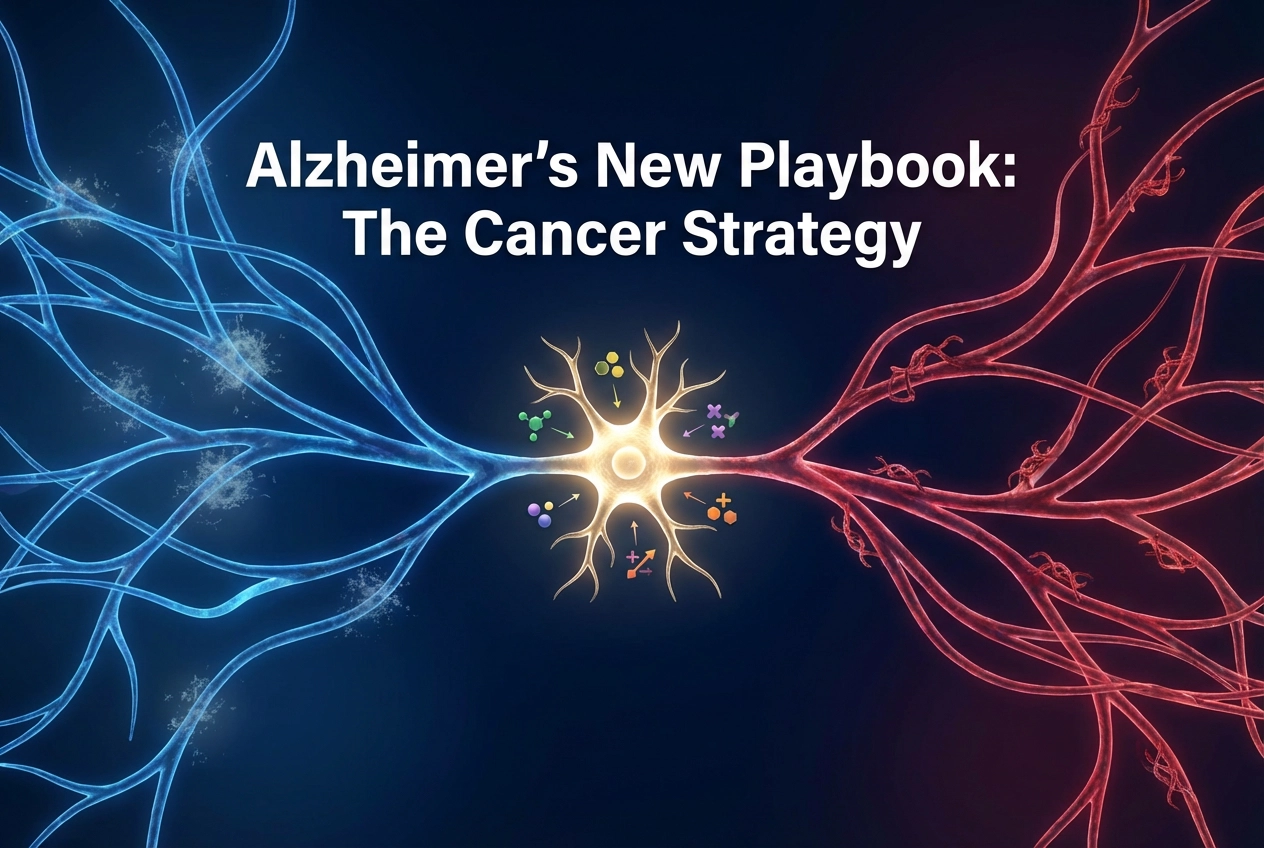
The field of Alzheimer’s disease (AD) therapeutics is undergoing a critical transformation, moving away from a single-target approach. Experts note that this shift is drawing inspiration from the success of **Multi-Target Drug Strategy** utilized in cancer treatment. The brain-wasting disease is now viewed as a system of complex, interrelated pathways, thus requiring combination therapies rather than treatments focused on only one pathway.
Currently, only two drugs, Eli Lilly’s Kisunla and Eisai and Biogen’s Leqembi, are approved to slow AD progression. Therefore, both drugs delay disease progression by approximately 30% by clearing toxic amyloid plaques from the brain. Howard Fillit of the Alzheimer’s Drug Discovery Foundation states that all diseases of aging necessitate combination therapy. Consequently, just targeting one pathway will not be sufficient for comprehensive treatment of this complex disease.
The Paradigm Shift: From Amyloid to Combination Treatments
Cancer treatment previously involved a one-size-fits-all approach, mainly relying on chemotherapy to kill fast-growing cells. Conversely, oncology now uses a wide range of immunotherapies and drugs that target specific genetic mutations or other malignant cell signatures. This transition inspires Alzheimer’s researchers to explore similar strategies. David Watson, CEO of the Alzheimer’s Research and Treatment Center, stated that current research feels like oncology from two decades ago. Advances in detecting blood biomarkers for tau, amyloid, and the disease’s genetic underpinnings provide strong reasons for optimism. If you are interested in the broader field of cancer treatment, consider exploring our Certification Course In Clinical Oncology.
The recent trial failure of Novo Nordisk’s blockbuster GLP-1 drug, semaglutide, underscored a need for this next era of drug development. This future approach must target the many interrelated biological drivers of AD. Novo plans to release full trial details, including patient characteristics that could offer valuable subgroup clues. Lilly’s head of neurodegeneration development, Dawn Brooks, expressed interest in seeing more potential subgroup analyses, especially on how patients treated earlier in the disease course performed.
Future Directions in Multi-Target Drug Strategy
The anti-amyloid drugs, Kisunla and Leqembi, require close monitoring due to the risk of brain swelling. Furthermore, these drugs are already being tested in people without symptoms yet, with Kisunla’s study results expected in 2027. One area of focus for drug development is targeting tau protein, which forms neurofibrillary tangles alongside amyloid. Biogen will release data next year on a novel tau-targeting drug, while other programs, such as one previously cancelled by Johnson & Johnson, have failed. For those interested in advanced brain imaging supporting diagnostics, the Post Graduate Program In Neuroradiology offers relevant insight.
Another major area to watch is the concept of co-pathologies or mixed dementia. Many patients exhibit more than one type of dementia, suggesting they will require multiple treatments. Roche recently launched late-stage trials for its drug trontinemab. This drug links an amyloid antibody to a brain shuttle, allowing it to cross the blood-brain barrier—a design improvement over Kisunla and Leqembi. Luka Kulic, head of early neuroscience at Roche, expects trontinemab to be safer and to slow disease progression by more than the 30% observed with current drugs. Consequently, it may be a better option for patients with an Alzheimer’s-related gene that increases their risk of brain swelling. Understanding dementia comprehensively is key; explore our Certification Course In Dementia.
Annovis Bio is also developing a true multi-target drug. The experimental drug, buntanetap, which is now in Phase 3 testing, targets amyloid, tau, and two other neurotoxic proteins. The CEO, Maria Maccecchini, noted that an earlier study failed due to inadequate screening. However, they achieved a statistically significant cognitive improvement once blood testing eliminated participants who did not actually have Alzheimer’s.
Frequently Asked Questions
Q1: What is the main shift in Alzheimer’s drug development?
The shift is toward a **Multi-Target Drug Strategy**, which treats Alzheimer’s as a complex systemic disease with multiple biological drivers (like amyloid and tau) rather than relying on a single-target approach. This strategy mirrors advances seen in cancer therapeutics.
Q2: What is the significance of the Alzheimer’s Tau Platform (ATP) trial?
The ATP trial is a major example of the multi-target approach, as it is the first study to test a combination of anti-amyloid (e.g., Leqembi) and anti-tau therapies in patients with late-onset Alzheimer’s. This is intended to create synergistic effects.
Q3: How are blood biomarkers impacting Alzheimer’s diagnosis and treatment?
Blood and genetic tests for biomarkers like tau and amyloid are becoming available. These tests enable more accurate patient identification, which helps tailor treatments, as not all patients (e.g., certain genetic subgroups or Black patients) benefit equally from anti-amyloid treatments alone. They also allow for earlier diagnosis and intervention.
References
- Alzheimer’s drug hunt learns from cancer fight’s multi-target playbook – ETHealthworld
- Multitarget therapeutic strategies for Alzheimer’s disease – NIH/PMC
- Multi-Targets: An Unconventional Drug Development Strategy for Alzheimer’s Disease – Frontiers in Aging Neuroscience
- New Alzheimer’s Trial to Combine Anti-Amyloid and Anti-Tau Therapies to Arrest Disease Progression – UCSF MedConnection
Disclaimer: This article was automatically generated from publicly available sources and is provided for informational and educational purposes only. OC Academy does not exercise editorial control or claim authorship over this content. It is not a substitute for professional medical advice, diagnosis, or treatment. Always consult a qualified healthcare provider and refer to current local and national clinical guidelines.