Conducting High-Impact Research in Low-Resource Clinics
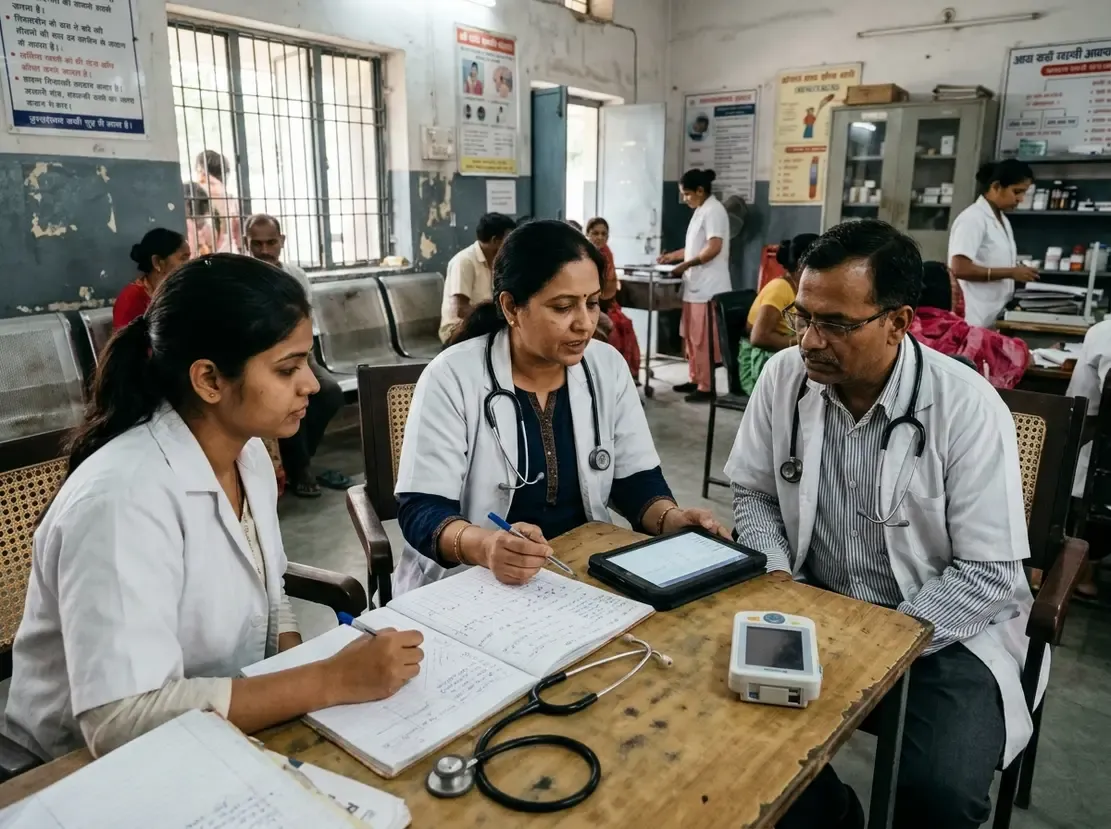
Conducting research in resource-limited settings presents both severe logistical hurdles and extraordinary academic opportunities. Healthcare providers in low- and middle-income countries often manage massive patient volumes while navigating tight budgets and limited diagnostic infrastructure. However, these clinical environments provide rich, unique datasets that global medical literature frequently neglects. Furthermore, local investigators possess deep insights into regional pathology and community health priorities. By designing targeted, pragmatic studies, clinicians can generate high-impact evidence that directly improves patient outcomes. Therefore, mastering the core principles of study design and data governance remains essential for clinicians who want to advance evidence-based medicine locally.
Overcoming Core Challenges of Research in Resource-Limited Settings
Clinicians routinely confront heavy clinical workloads, inadequate funding, and scarce statistical support in community and public hospitals. Consequently, prospective trials with complex biological endpoints often seem unachievable. Instead, investigators should prioritize focused, locally relevant questions that leverage existing clinical workflows. For example, retrospective audit studies and quality-improvement projects require minimal external funding. In addition, researchers can analyze routine clinical registries to answer pressing diagnostic questions. Thus, aligning research objectives with everyday clinical practice minimizes disruptions to patient care while generating reliable data.
Leveraging Artificial Intelligence and Pragmatic Tools
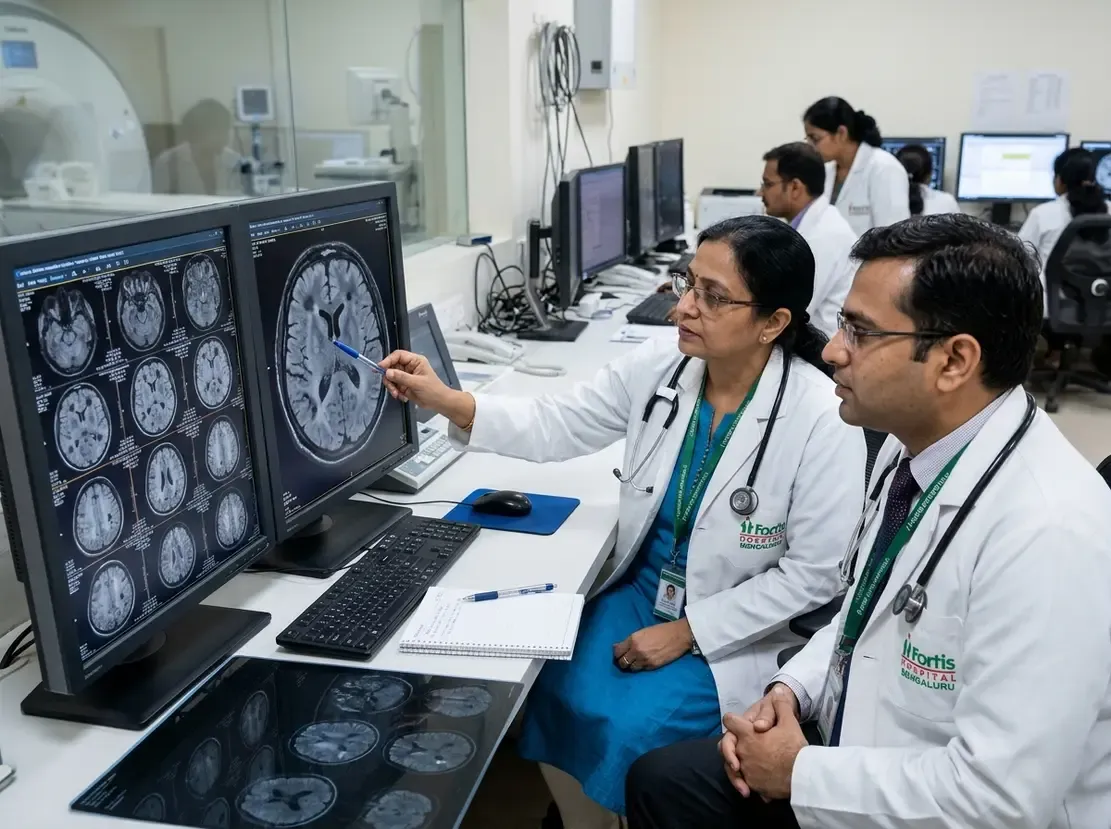
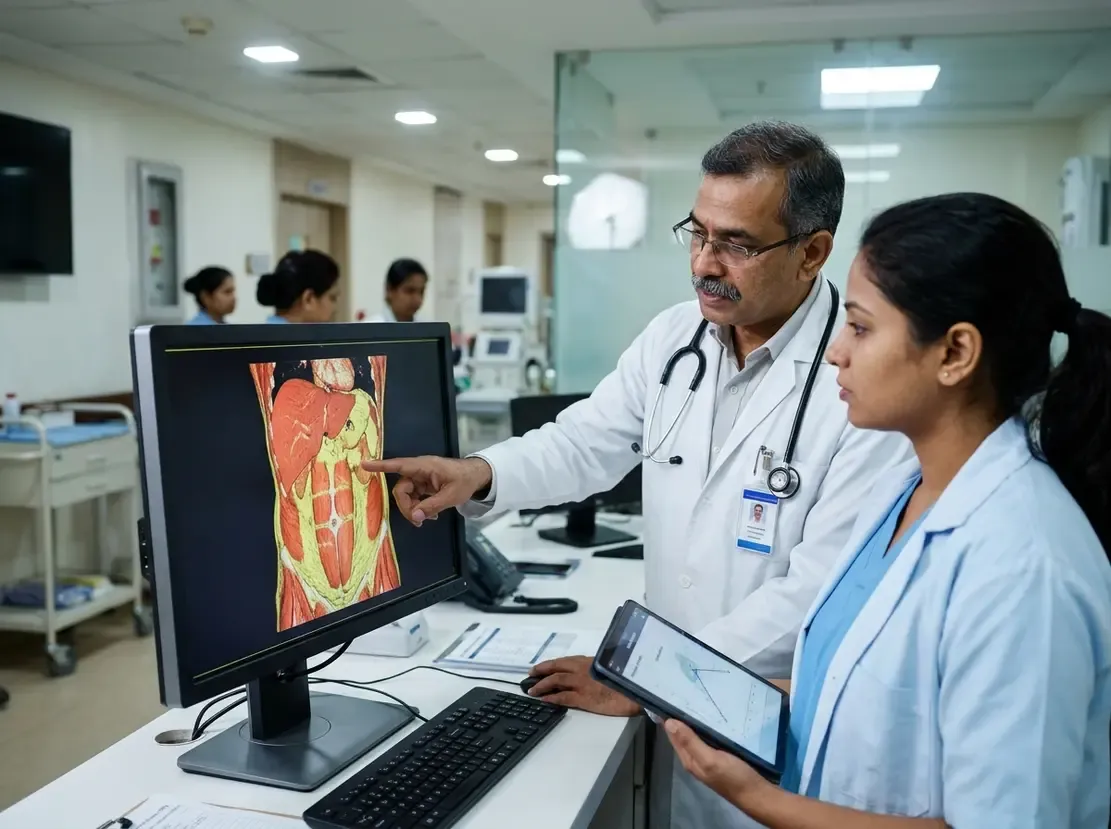
Emerging technologies offer scalable solutions for data-rich fields like radiology and pathology. Specifically, artificial intelligence can streamline image analysis, triage high-risk cases, and organize fragmented hospital data. However, machine learning algorithms developed in high-income countries often fail when clinicians apply them to distinct local populations. Therefore, local researchers must evaluate, validate, and fine-tune these tools using domestic imaging and clinical cohorts. In addition, open-source software and digital data capture tools significantly reduce operational overhead. Through these pragmatic innovations, resource-constrained departments can conduct robust quantitative research without purchasing expensive proprietary platforms.
Building Ethical and Equitable Research Collaborations
Global research partnerships can provide vital mentorship and financial resources for early-career investigators. Nevertheless, international collaborations must maintain absolute fairness and mutual respect. Historically, researchers from wealthy nations sometimes engaged in exploitative data extraction without building local clinical capacity. Today, institutional review boards and local investigators must demand equitable authorship, shared intellectual property, and clear data governance agreements. Furthermore, research teams should actively involve community stakeholders during study inception. As a result, research projects will directly address local health burdens while protecting vulnerable patient populations from exploitation.
Frequently Asked Questions
Q1: What study designs work best in resource-constrained hospitals?
Retrospective cohort studies, clinical audits, and cross-sectional diagnostic evaluations work best. Furthermore, these designs leverage existing hospital registries and routine imaging records without requiring dedicated grant funding or disrupting patient care.
Q2: How can early-career researchers secure mentorship without local senior investigators?
Early-career researchers can join national specialty associations and international academic societies. Additionally, virtual research collaboratives and open-access scientific forums offer structured mentorship programs and statistical guidance.
Q3: Why is local data validation critical for artificial intelligence models?
Algorithms trained on foreign datasets often exhibit algorithmic bias due to different imaging equipment, operator techniques, and demographic characteristics. Consequently, validating AI tools on local patient cohorts prevents diagnostic errors in routine practice.
References
- Gupta A et al. How to Do Research in Resource-Limited Settings. AJR Am J Roentgenol. 2026 Nov 18. doi: 10.2214/AJR.26.36195. PMID: 43049370.
- Lang TA, White NJ, Hien TT, et al. Clinical research in resource-limited settings: enhancing research capacity and working together to make trials less complicated. PLoS Negl Trop Dis. 2010;4(6):e619. doi: 10.1371/journal.pntd.0000619.
- Council for International Organizations of Medical Sciences. International Ethical Guidelines for Health-related Research Involving Humans. Geneva: CIOMS; 2016.