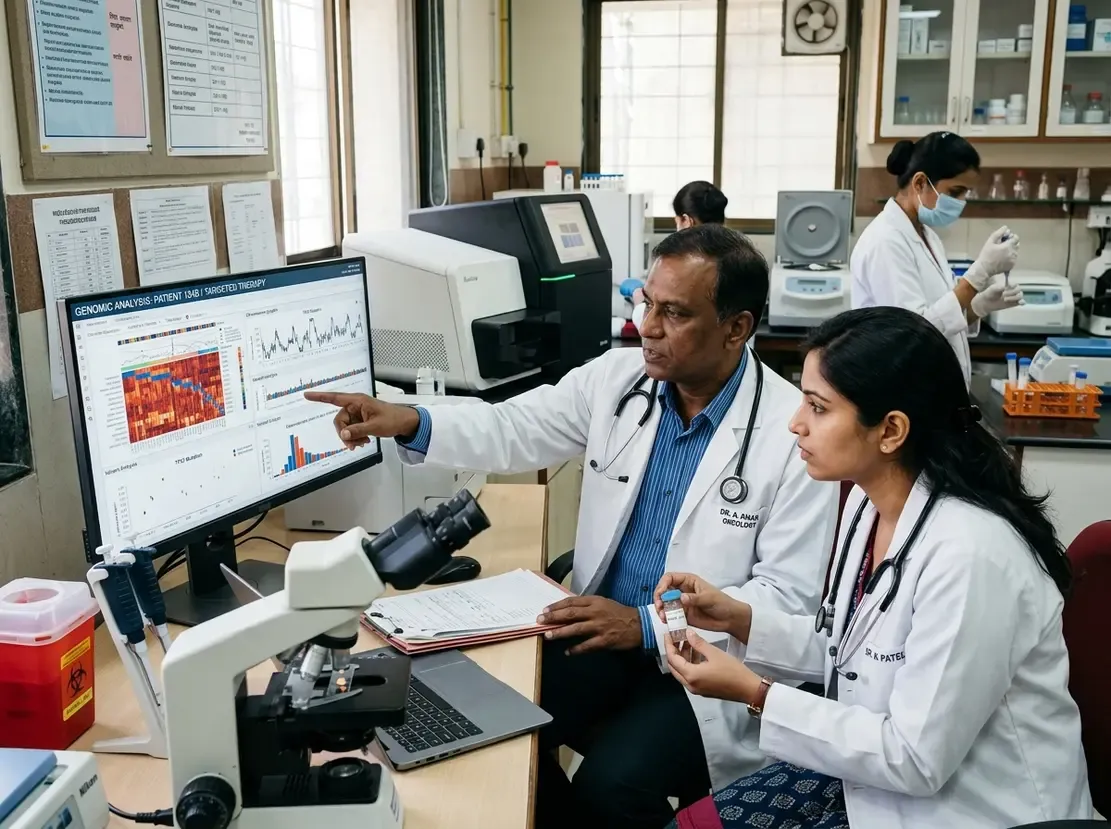
Northeast Faces Rising Vector Threat: Key Panel Findings
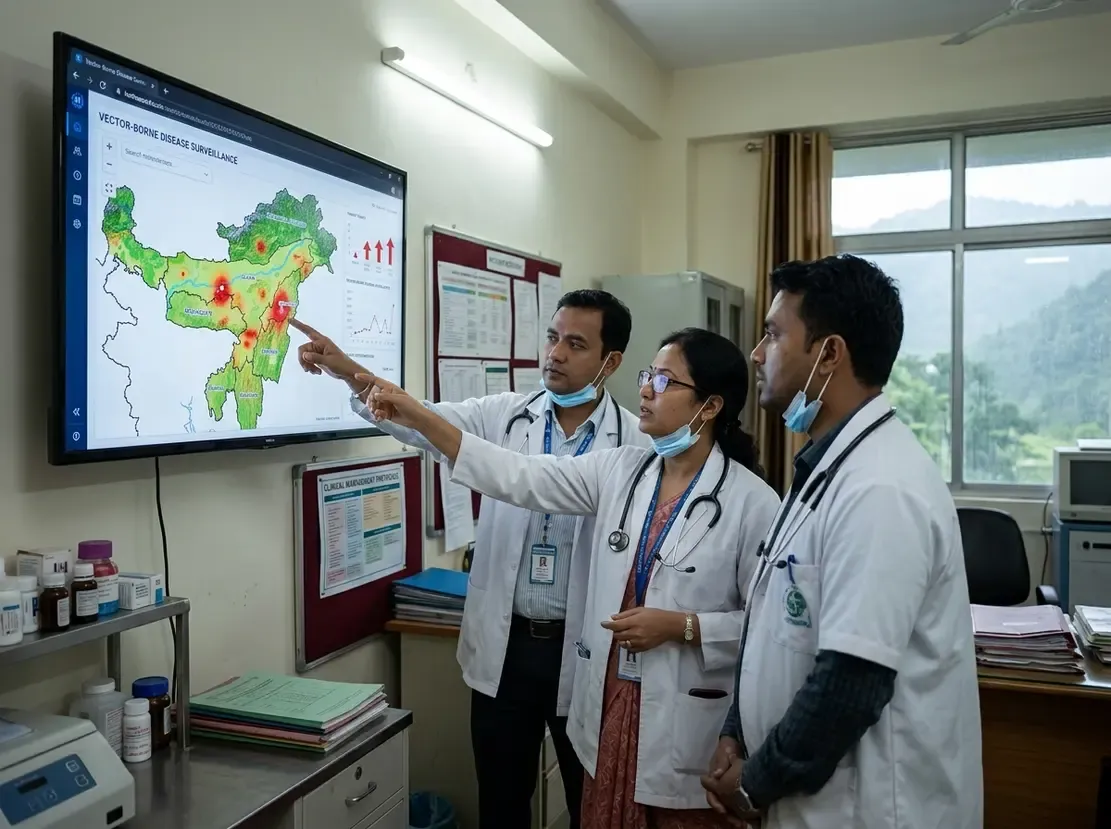
A recent parliamentary report highlights expanding vector-borne diseases across Northeast India. Consequently, climate shifts, deforestation, and rapid urban growth have created hospitable environments for disease vectors. Furthermore, changing rainfall patterns and poor urban drainage accelerate this geographical spread. Therefore, healthcare professionals must prepare for emerging epidemiological shifts in the region.
Surging Burden of Dengue and Chikungunya
Recent epidemiological data demonstrate a marked surge in arboviral infections. For instance, reported dengue cases jumped from 142 in 2014 to 19,761 in 2023. Although numbers dropped to 7,186 in 2024, transmission risks remain persistently elevated. Additionally, chikungunya incidence expanded by 14.3% between 2023 and 2024. Sikkim emerged as a primary hotspot during this period. Specifically, Sikkim recorded an alarming chikungunya incidence of 291.2 per lakh in 2024. Moreover, its dengue incidence reached 57.9 per lakh. As a result, urban centers require aggressive municipal larval source management.
Mixed Trends in Malaria and Japanese Encephalitis
In contrast to urban arboviruses, malaria trends present notable regional variations. Nationally, high-burden malaria districts dropped from 155 in 2015 to 37 in 2024. Significantly, sixteen districts in Arunachal Pradesh reported zero indigenous malaria cases over three consecutive years. Likewise, six districts in Nagaland achieved zero indigenous malaria transmission. However, Japanese encephalitis continues to pose a formidable clinical threat. Northeast India recorded 885 Japanese encephalitis cases in 2024, up from 709 in 2023. Encouragingly, the national case fatality rate for Japanese encephalitis dropped from 17.6% to 7.1%. Nonetheless, acute encephalitis syndrome demands rapid neurological evaluation and intensive supportive care.
Strengthening Clinical Management of Vector-Borne Diseases
The parliamentary panel strongly advocated for technology-driven surveillance solutions. First, authorities should implement AI-based predictive models and dedicated digital reporting portals. Furthermore, health authorities must establish a Regional Entomology Training Hub to bridge specialist shortages. Importantly, the committee stressed the urgent need for standardized treatment protocols for severe dengue and complications. Clinicians must maintain heightened vigilance for dengue shock syndrome and haemorrhagic manifestations. Additionally, health departments must disaggregate surveillance data across tribal, rural, and urban populations. Consequently, targeted public health interventions can optimize resource distribution in vulnerable areas.
Frequently Asked Questions
Q1: Why are vector-borne diseases expanding in Northeast India?
Climate change, rising temperatures, deforestation, unplanned urbanisation, and poor drainage drive vector expansion into higher altitudes and newer areas.
Q2: What clinical guidelines did the health panel recommend?
The panel called for standardized clinical treatment protocols for severe dengue complications and expanded diagnostic laboratory networks across the region.
Q3: How are malaria and Japanese encephalitis trending in the region?
Malaria shows significant decline in several districts, whereas Japanese encephalitis cases increased from 709 in 2023 to 885 in 2024.
References
- Northeast faces new vector threat as diseases spread to new areas: Health panel - ETHealthworld
- Standing Committee Report Summary - Vector-Borne Diseases in North-East India - PRS Legislative Research
- Press Release on the 175th Report of Parliamentary Standing Committee on Health & Family Welfare - PIB